Paper-Thin Robot Materials Move Like Origami at McGill
Scientists just created shapeshifting materials thinner than paper that fold, walk, and sense their own movement, opening doors to gentler medical tools and smarter robots. The breakthrough solves a major challenge that kept similar materials from real-world use.
Imagine a medical device that could gently navigate inside your body by folding itself like origami, or a wearable sensor that adapts its shape to your skin. Engineers at McGill University just made that future possible with ultra-thin materials that can be programmed to move, twist, and reshape themselves.
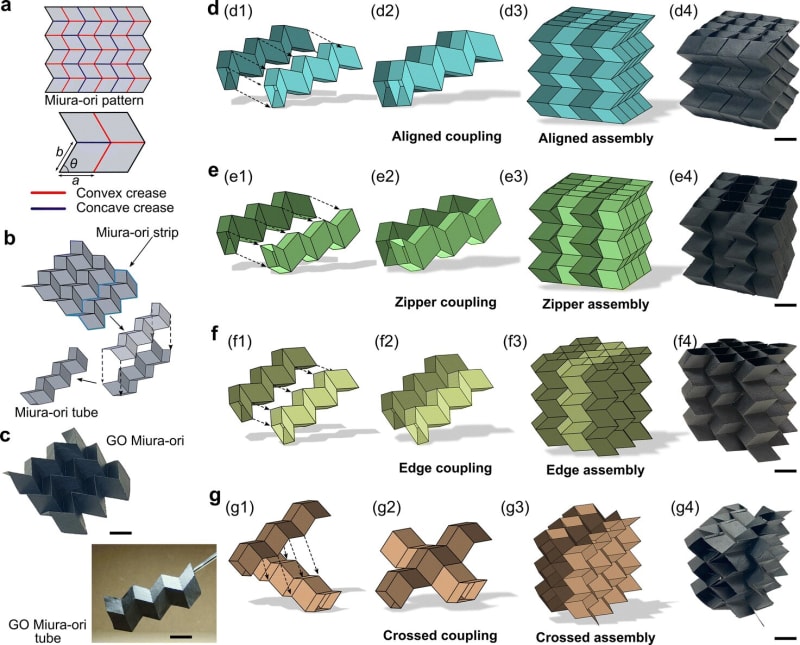
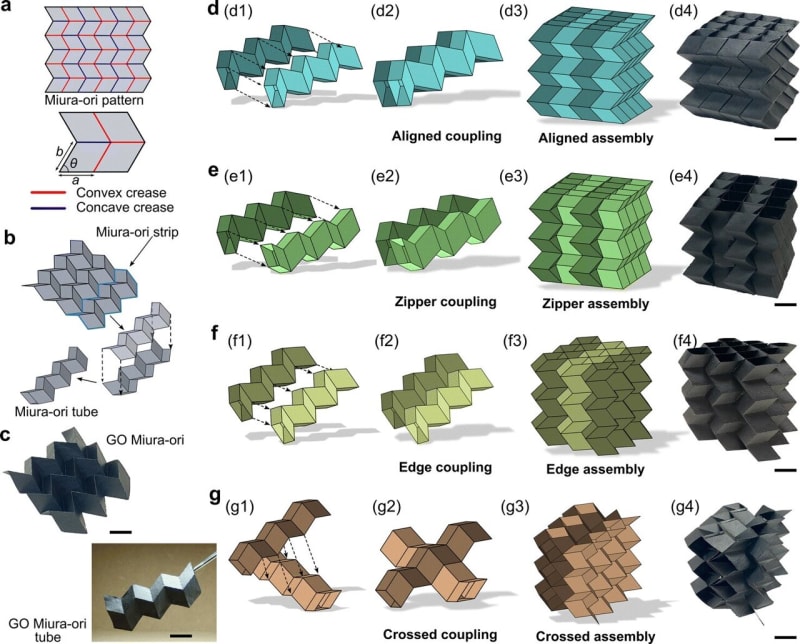
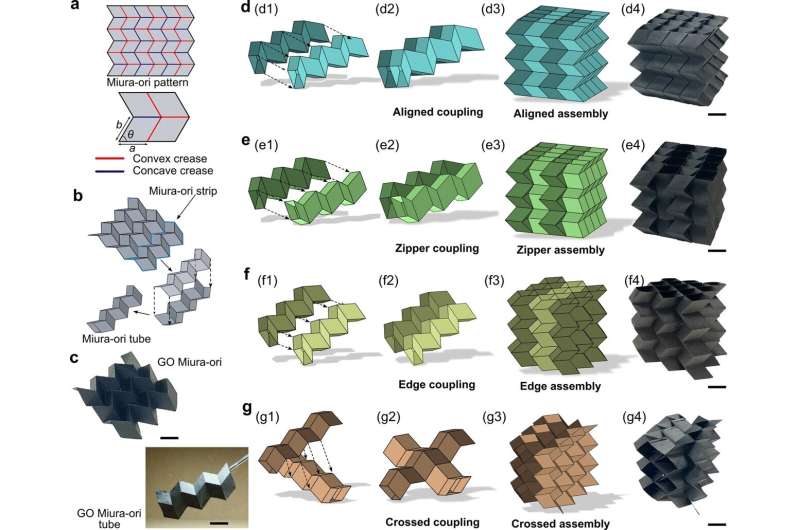
The research team created flexible sheets from folded graphene oxide, a paper-like material that's incredibly thin yet surprisingly strong. Unlike previous versions that were too brittle for practical use, these new films can walk, flip, and bend in complex ways without breaking.
What makes these materials truly special is their dual ability. They can act as both the muscle that creates movement and the sensor that detects it, eliminating the need for separate components. The graphene naturally conducts electricity in ways that change as it bends, letting the material feel its own motion.
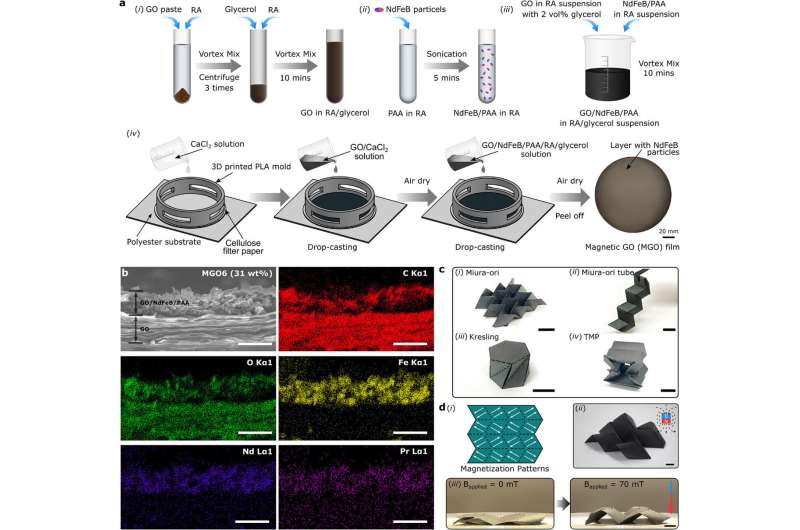
The team demonstrated two different ways to control the materials. In one version, the origami-like structures open when they sense humidity in the air and close as they dry. In another, tiny magnetic particles were added so the shapes can be steered remotely using magnets, with no wires or batteries required.
This technology could transform soft robotics, which aims to build machines that are lightweight, safe around people, and capable of delicate movements. Traditional robots rely on rigid parts and heavy motors, making them unsuitable for sensitive tasks like navigating inside the human body or adapting to unpredictable environments.
The applications extend beyond medicine. Smart packaging could react to temperature or moisture changes to protect contents better. Wearable devices might adjust their fit automatically throughout the day. Search and rescue robots could squeeze through tight spaces by reshaping themselves.
The Ripple Effect
The breakthrough addresses a key obstacle that has kept graphene oxide materials from widespread use. Previous versions were difficult to manufacture at large scale and couldn't generate the complex, programmable movements needed for real applications. By solving these challenges, the McGill team has essentially unlocked an entire category of devices that were previously impossible to build.
The research appears in two peer-reviewed journals, Materials Horizons and Advanced Science, marking years of collaboration between McGill's Department of Bioresource Engineering and Department of Mining and Material Engineering. The team can now produce these materials reliably and program them for specific tasks.
The next generation of robots won't need to look like machines at all.
More Images
Based on reporting by Phys.org - Technology
This story was written by BrightWire based on verified news reports.
Spread the positivity!
Share this good news with someone who needs it