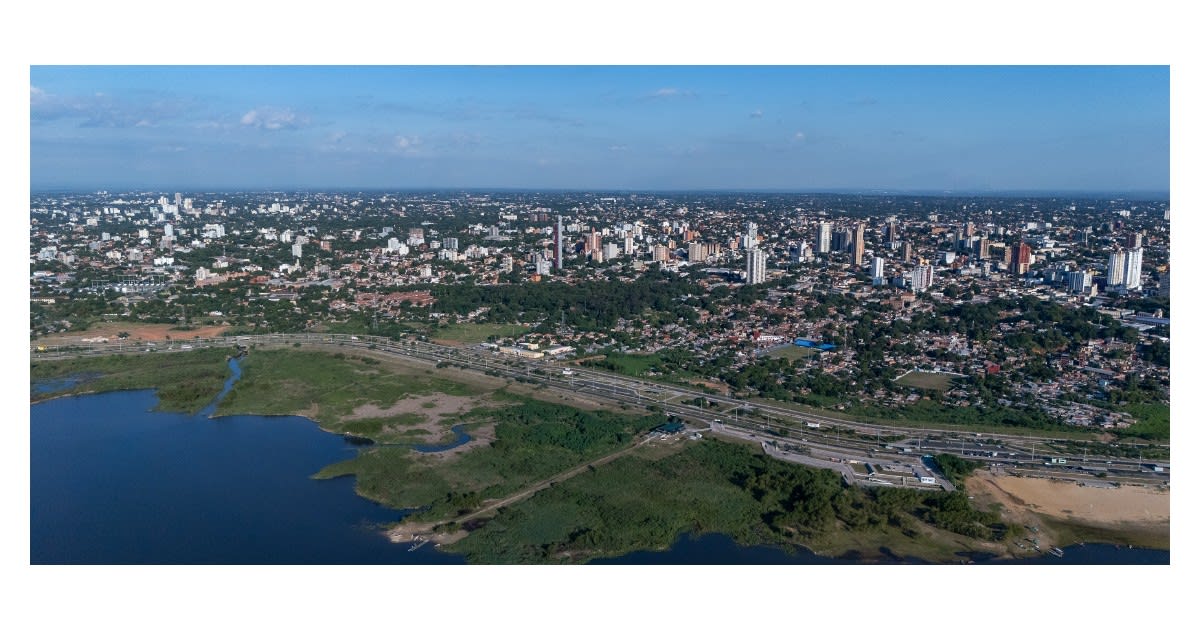
Paraguay Cuts Poverty by Two-Thirds in 20 Years
Over the past two decades, Paraguay has slashed poverty from 50% to just 16%, lifting a third of its population out of hardship through focused investments in jobs, infrastructure, and business growth. The country's approach offers a replicable blueprint for sustained economic progress.
Paraguay just achieved something remarkable: in 20 years, it cut poverty by more than two-thirds, from over 50% in 2005 to only 16% in 2025. That means millions of families who once struggled to survive now have steady incomes and better opportunities.
The transformation wasn't luck or a windfall. It was the result of deliberate choices to build an economy where people could find good jobs and earn rising wages.
Paraguay's economy grew nearly 5% every year for two decades, among the fastest rates in Latin America. But what mattered most was how that growth happened: through better-paying jobs and rising worker productivity, with the biggest income gains going to the poorest families.
The government focused on three foundations. First, they invested in infrastructure that makes doing business easier and cheaper. Abundant clean hydropower from the Itaipú and Yacyretá dams gave manufacturers a lasting cost advantage, while improved roads and digital connections linked remote communities to growing markets.
Second, they made it simpler to start businesses and hire workers. New laws automated registration for small companies and introduced flexible work contracts that encouraged employers to create formal jobs instead of informal ones. Tax incentives for manufacturing were extended to 20 years and opened to service industries, broadening the base for job creation.
Third, they supported private investment through modern financial regulations and public-private partnerships. These reforms earned Paraguay two investment-grade credit ratings in just 18 months, the only Latin American country to achieve that this decade.
Social programs reinforced the economic gains. Hambre Cero (Zero Hunger) now feeds over one million schoolchildren daily, with a smart twist: it sources food from local family farmers, turning nutrition into economic development. A real-time tracking system monitors every meal, ensuring the program delivers results, not just good intentions.
Challenges remain. Some regions still have poverty rates well above the national average, particularly rural departments like Caaguazú and San Pedro. But Paraguay now has the tools to address those gaps: the country's first poverty map in 20 years, covering all 263 districts, guides where investments and programs should go next.
The Ripple Effect
Paraguay's success demonstrates that sustained poverty reduction doesn't require a miracle formula. It requires infrastructure that connects people to opportunity, regulations that encourage businesses to invest and hire, and programs that help everyone participate in growing prosperity. Other countries facing high poverty rates now have a proven roadmap: focus on productivity, jobs, and inclusion, backed by sound fiscal management and better data.
The results speak for themselves: 300,000 more people escaped poverty in just the last two years alone, proof that the foundation Paraguay built continues to lift families up.
More Images


Based on reporting by Google News - Poverty Reduction
This story was written by BrightWire based on verified news reports.
Spread the positivity!
Share this good news with someone who needs it