Paralympian Oksana Masters Wins 19 Medals Across 4 Sports
A Ukrainian-born athlete who lost both legs as a child now holds 19 Paralympic medals in four different sports. Her secret? Embracing constant reinvention and learning to work smarter as she ages.
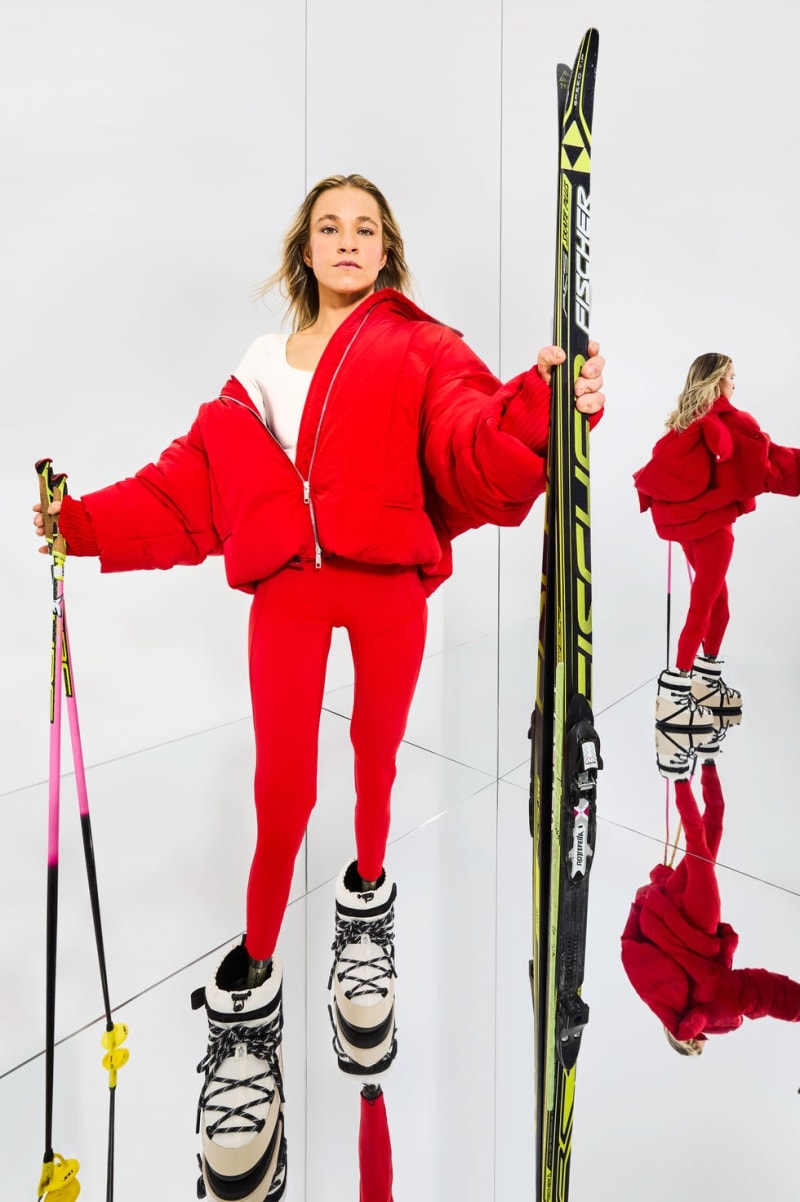
Oksana Masters wakes up at 5 a.m. every training day, and that disciplined approach has earned her something remarkable: 19 Paralympic medals across summer and winter sports.
Born in Ukraine in 1989 after the Chernobyl disaster, Oksana faced significant birth defects from radiation exposure. She underwent multiple surgeries starting at age 9, including a double leg amputation.
At 13, she discovered rowing. By the 2012 London Paralympics, she was competing on the world stage. Then she tried cross-country skiing and fell in love with it the moment she tumbled off the course into rocks, drawn to the challenge.
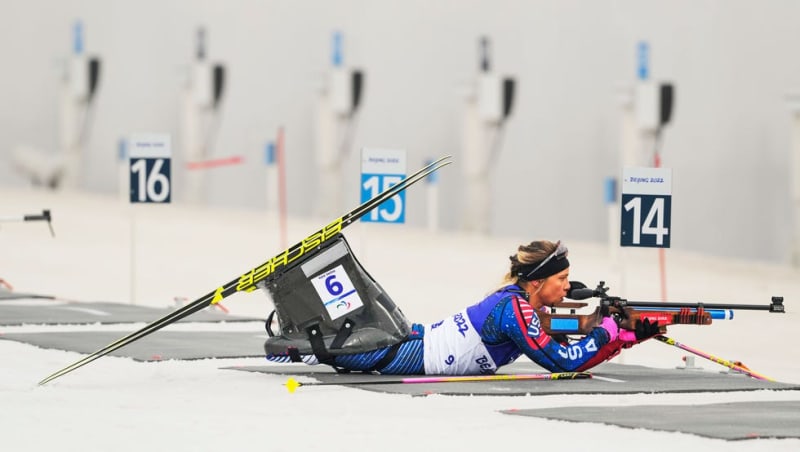
Today, at 36, she's the most decorated U.S. Winter Paralympian ever with 14 winter medals. She competes in para Nordic skiing, para biathlon, para cycling, and para rowing, and she's medaled at every summer and winter Paralympics since 2012.
Her training schedule looks repetitive by design: workout, fuel, rest, repeat. But nearly 14 years into her career, she's learned that recovery matters more now than it did at 26. After a hand injury in 2024, she refocused on the small things like mobility work and weekly sauna sessions.
Mental training matters just as much as physical prep. She uses box breathing and visualization before races, picturing not just perfect runs but also stumbles so she won't panic if something goes wrong. "If I can get through that biggest block of fear, I feel like I will, as an athlete, be untouchable," she says.
Switching between cycling and skiing each season means constantly starting over, building an aerobic base from scratch. Instead of seeing this as frustrating, she views it as protective against burnout.
Why This Inspires: Oksana proves that peak performance isn't about staying static. Her willingness to compete with herself, think long-term, and completely rebuild her fitness base every season shows that adaptation is strength. She's not trying to train like she did at 26 because she's discovered something better: "You can still be older and still get more and more out of your body in different ways."
Her approach challenges the myth that athletes must peak young and fade fast. By embracing change and listening to her body, she's reaching new levels of fitness in her mid-thirties.
After eight years competing in para biathlon, Oksana finally won her first Paralympic gold in that event at the 2022 Beijing Games. Sometimes the long game pays off in ways sprinting never could.
More Images


Based on reporting by Womens Health
This story was written by BrightWire based on verified news reports.
Spread the positivity!
Share this good news with someone who needs it