Paralympic Champ Opens Sea Swimming to Blind Athletes
A two-time Paralympic gold medalist who became the first blind woman to swim the English Channel is helping break down barriers for visually impaired swimmers in Brighton. Her work proves that with the right support, open water swimming can be accessible to everyone.
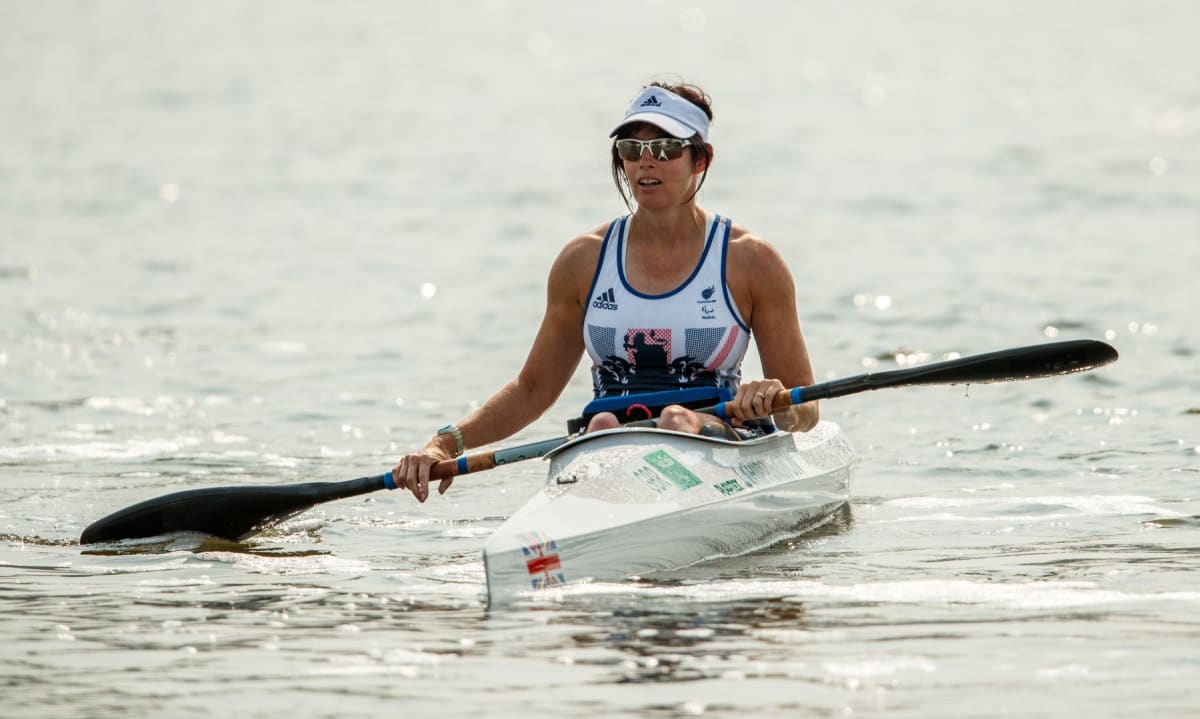
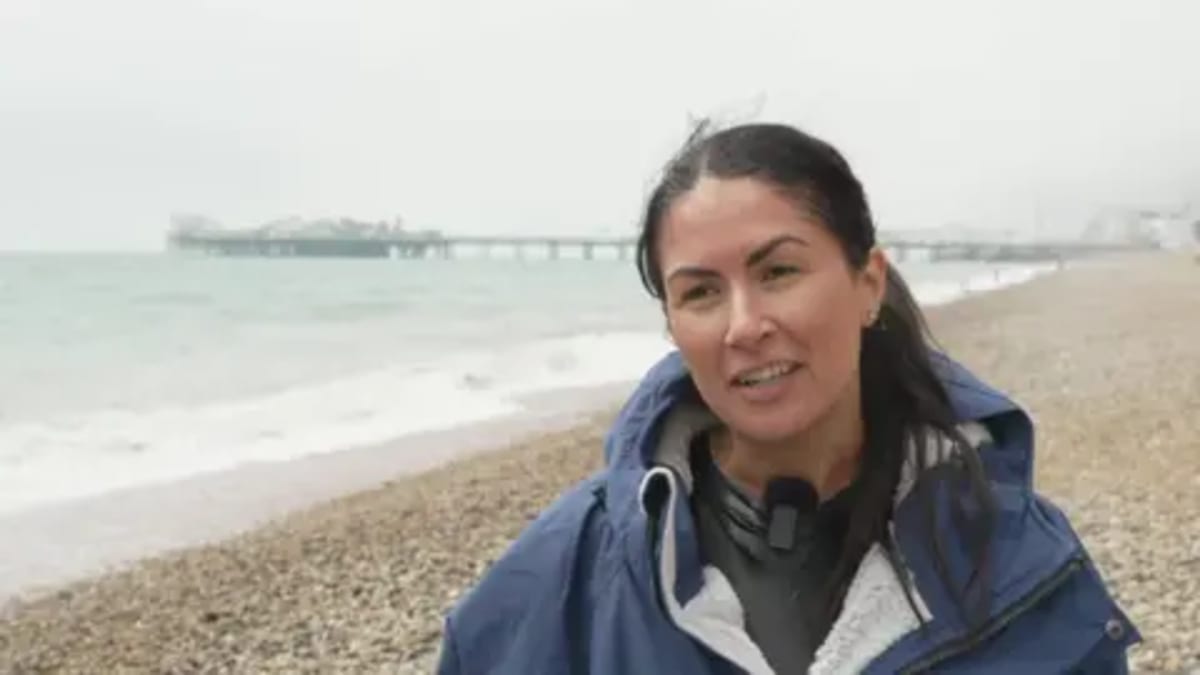
Melanie Barratt knows the thrill of conquering the English Channel without being able to see it, and now she's helping other blind swimmers discover the joy of open water.
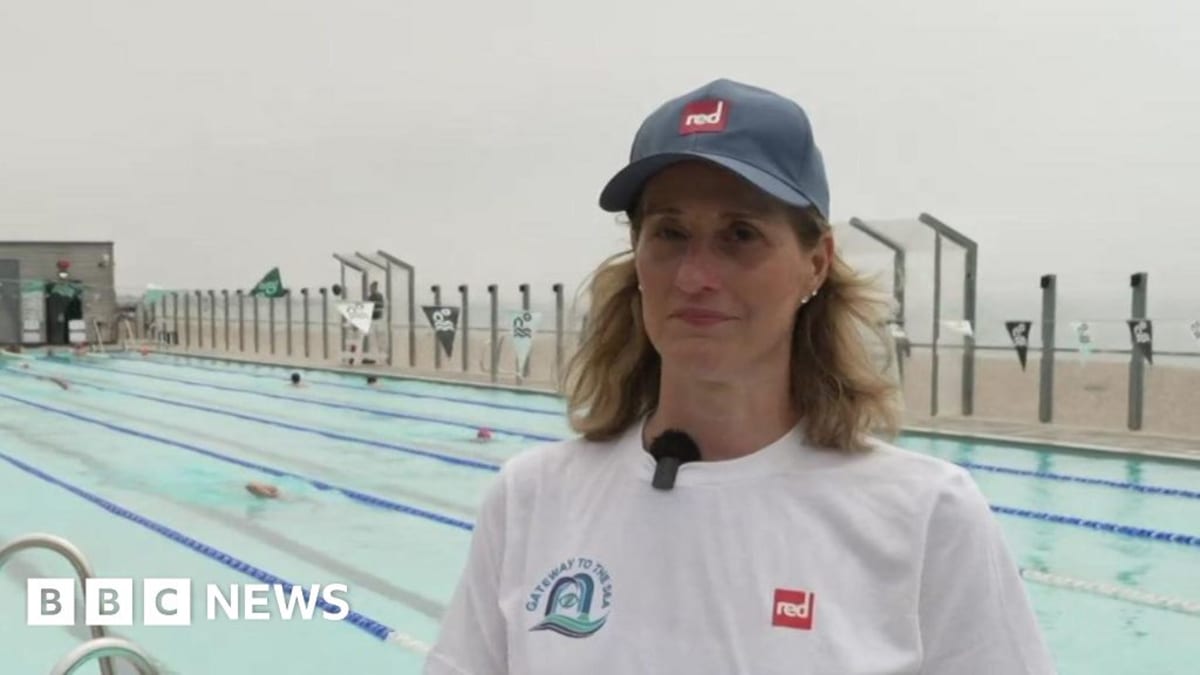
The two-time Paralympic champion, who won gold in Atlanta and Sydney, joined Blind British Sport at Sea Lanes in Brighton this weekend to launch a groundbreaking initiative. The event brought together blind and partially sighted swimmers to explore how they can safely make the leap from pool swimming to the open sea.
"Sea swimming is an amazing experience," Barratt said. "It's so addictive to be in the open water."
The challenge for blind swimmers goes beyond what most people imagine. While pool swimming offers visual cues like lane lines and stroke counting, the open water provides none of those guides. Barratt has solved this problem with radio headsets that let a nearby guide direct her in real time.
Other innovations include brightly colored kayaks that partially sighted swimmers can spot more easily, and trained guides who help swimmers navigate the beach and assess sea conditions. These simple adaptations transform an intimidating experience into an accessible one.
Why This Inspires
Sadie Rockliffe, a PhD researcher at the University of Brighton leading the Accessible Waters project, sees this as part of a bigger mission. "We want to make the water a safe space for everyone," she explained.
The project focuses on equipping guides with both technical knowledge and lived experience. They communicate crucial information about tides and weather conditions so blind swimmers can make informed decisions about their own abilities and safety.
Barratt's credentials extend far beyond her Paralympic golds. As a six-time world champion and world triathlon champion, she understands elite athletics. Her English Channel crossing proved that blindness doesn't have to limit anyone's aquatic ambitions.
The Brighton initiative represents a shift in thinking about accessibility. Rather than focusing on what blind people can't do, it asks a simple question: what support do they need to do everything?
For the swimmers who showed up on Saturday, the answer is transforming their relationship with the ocean, one guided stroke at a time.
More Images
Based on reporting by Google: Paralympic champion
This story was written by BrightWire based on verified news reports.
Spread the positivity!
Share this good news with someone who needs it