Parents Get New Tools to Protect Kids from Extreme Heat
Doctors across Europe are sharing life-saving tips as rising temperatures make heat safety as critical as drowning prevention. Simple changes like skipping stroller blankets and offering water-rich snacks can protect the most vulnerable.
Pediatricians are adding a crucial new topic to their safety conversations with parents, right alongside choking and water safety: keeping children safe in extreme heat.
As temperatures soar across Europe, doctors report that heat illness prevention has become just as essential as other childhood safety measures. The shift reflects a growing reality that families need practical tools to protect their youngest members during increasingly frequent heatwaves.
Dr. Katherine Williamson, a pediatrician at Rady Children's Health in California, notices the change in her daily practice. "We talk about drowning and choking with toddlers, and now we're starting to add in heat," she said. "It's become something that's more commonplace as a potential injury."
The timing matters. More than 1.5 billion children worldwide now face frequent and severe heatwaves, according to UNICEF analysis. Children's bodies work differently than adults, sweating less per kilogram of body weight and warming up faster in extreme temperatures.
Parents can watch for simple warning signs that their child needs to cool down. A lack of tears when crying or fewer wet diapers signals dehydration, while flushed skin and extra fussiness mean it's time for a break indoors.
The good news is that small adjustments make a big difference. Water-rich fruits like watermelon and strawberries help kids stay hydrated while snacking. Loose, light-colored clothing reflects heat better than dark, tight fabrics.
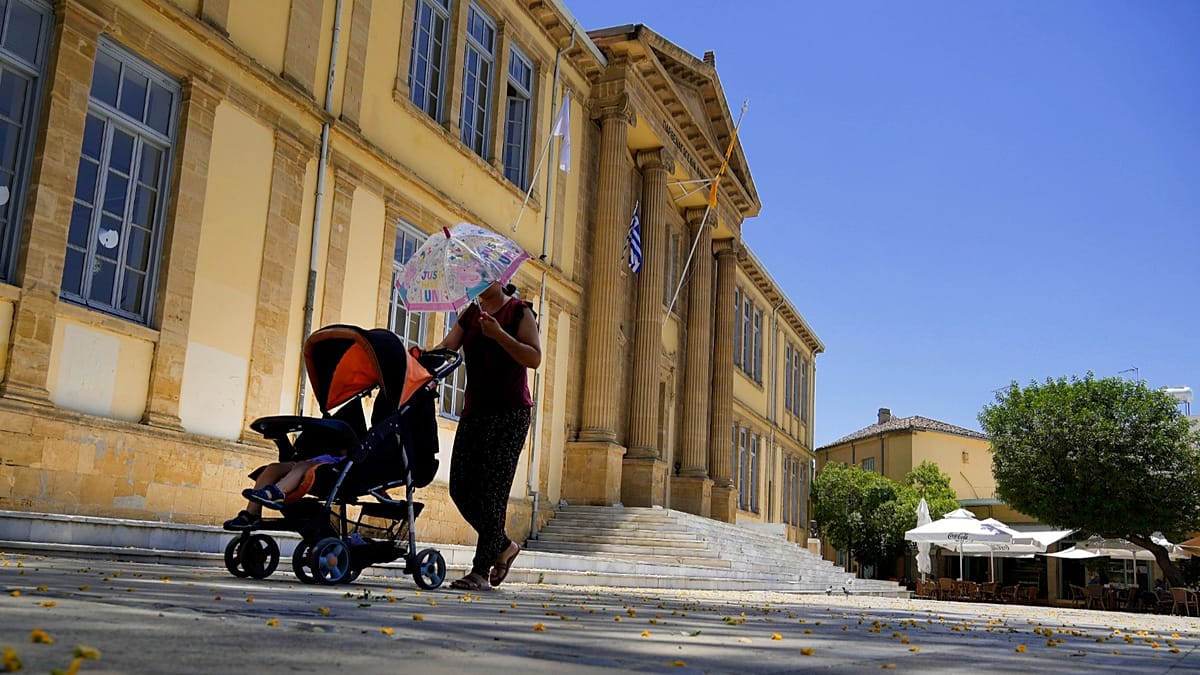
One counterintuitive tip surprises many caregivers: never drape blankets over strollers, even to block sun. Those covers trap heat and prevent air circulation, turning the stroller into an oven. The World Health Organization recommends using a damp, thin cloth instead, refreshed as needed.
Dr. Debra Langlois at the University of Michigan Health emphasizes that outdoor play remains important for development. "If you're hot, your baby sure is going to be hot," she said, encouraging parents to trust their instincts about when to head inside.
Why This Inspires
Medical professionals are meeting the challenge of a changing climate by equipping families with actionable knowledge. These aren't complicated interventions requiring expensive equipment or specialized training. They're straightforward practices any caregiver can adopt immediately, turning awareness into protection.
The medical community's proactive approach shows how expertise adapts to serve families facing new environmental realities. By normalizing heat safety conversations during routine checkups, pediatricians ensure every parent leaves with tools to keep their children thriving through summer's hottest days.
Parents now have clear guidance to balance outdoor activity with temperature safety, giving children room to grow strong while staying protected.
More Images

Based on reporting by Euronews
This story was written by BrightWire based on verified news reports.
Spread the positivity!
Share this good news with someone who needs it