
Paris Dig Uncovers 2,000-Year-Old Gallic Wall
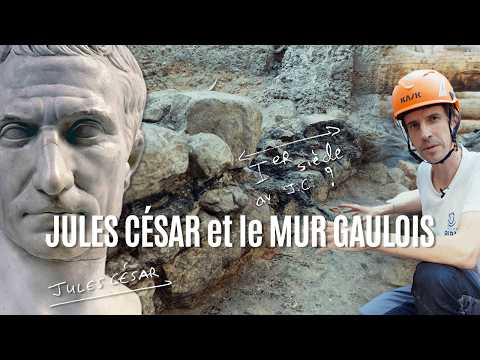
Archaeologists in Paris have discovered a burned stone wall that could be the legendary rampart of ancient Lutetia, the Gallic city Julius Caesar wrote about 2,000 years ago. This find might finally prove where the original Paris stood.
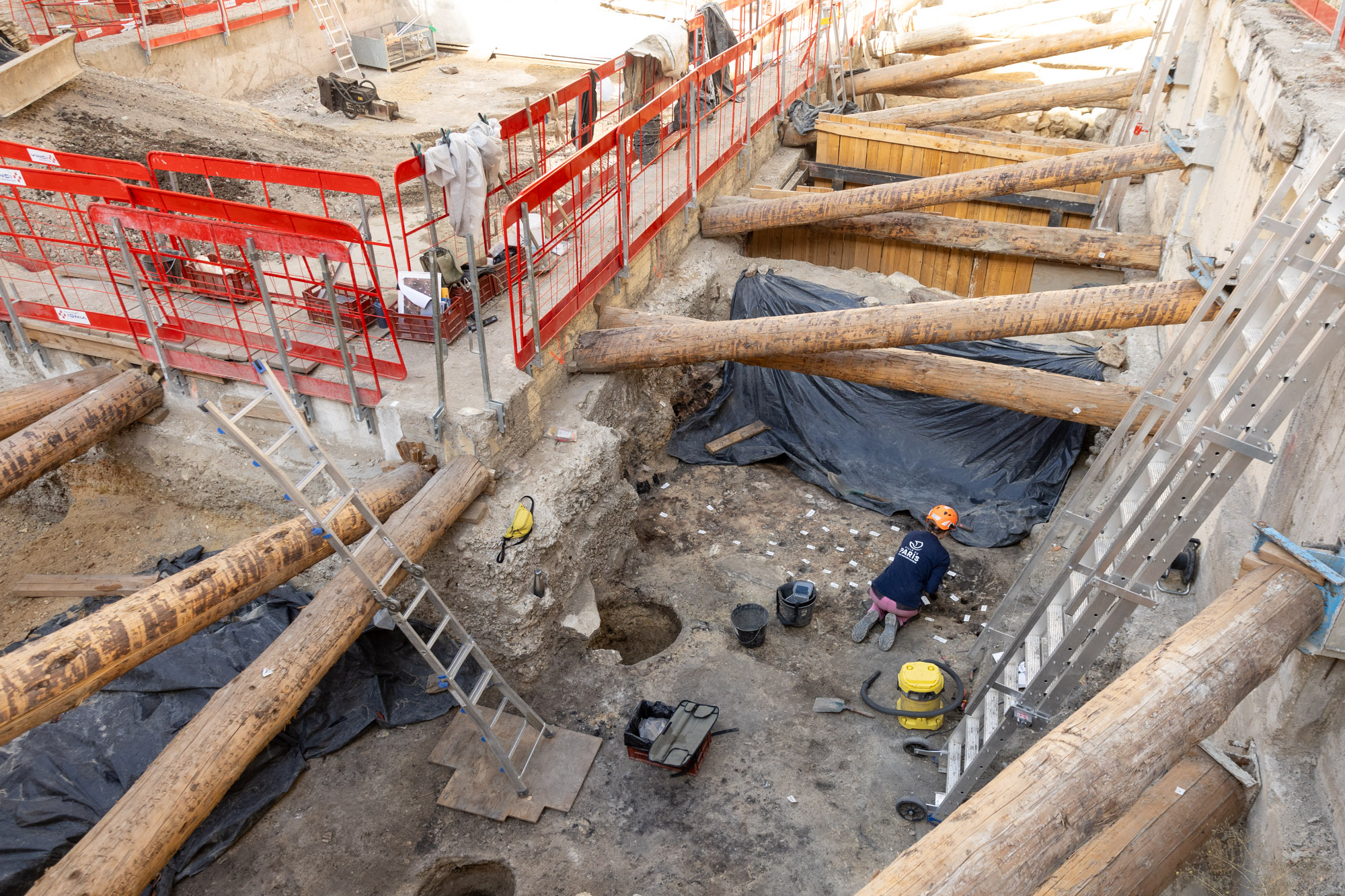
When archaeologist David Couturier's trowel hit stone in a Paris hospital courtyard this summer, he knew immediately he'd found something special. What emerged from the ground could rewrite the founding story of one of the world's most famous cities.
Working on the Île de la Cité since February 2026, Couturier and his team from the City of Paris Archaeological Division have uncovered a 20-meter stone and wood wall built using ancient Gallic construction methods. The wall shows clear signs of fire damage, and charred seeds from a storage area lie scattered nearby.
Carbon-14 dating revealed the wall was built between 200 and 30 BCE. That timeline matches perfectly with Julius Caesar's account of the Battle of Lutetia in 52 BCE, when the Parisii people reportedly burned their own fortifications to keep them from Roman troops.
For centuries, historians have debated where Gallic Lutetia actually stood. Caesar described it as an island settlement on the Seine, which sounds like the Île de la Cité, but physical proof has been frustratingly scarce until now.
"This artifact is certainly something that Parisian archaeologists have been searching for for years, if not centuries," says Dorothée Chaoui-Derieux, chief heritage curator for the region. The preliminary survey had given no hint that such ancient remains lay beneath the hospital grounds.
The discovery links modern Paris directly to the ancient city Caesar wrote about in his war journals. Behind the wall, archaeologists found a large artificial platform of sand and gravel, further supporting the theory that this was a major defensive structure.
Why This Inspires
This discovery reminds us that our greatest mysteries often hide in plain sight, waiting patiently beneath our feet. A hospital renovation project became a time machine, connecting today's Parisians with ancestors who fought to protect their home two millennia ago.
The fire that destroyed the original wall actually preserved it for future generations to find. Sometimes what seems like an ending is really just the beginning of a much longer story.
Archaeologists will continue analyzing the wall to confirm its exact purpose and date. If verified, this humble stretch of burned stone could finally answer a question that has puzzled historians since Roman times: where did Paris truly begin?
The answer may have been waiting on that island in the Seine all along.
More Images


Based on reporting by Planet Wins Desk
This story was written by BrightWire based on verified news reports.
Play Today’s BrightWire Positive Mini Crossword & Word Game
Keep your mind sharp with our free 5-minute uplifting daily crossword and positivity word puzzle.
Spread the positivity!
Share this good news with someone who needs it

