Parkes Dish Tracks Artemis II's Historic Return to Moon
The iconic Australian radio telescope that helped broadcast humanity's first moonwalk just guided Artemis II around the Moon for the first time in over 50 years. The same dish is now ready to support NASA's ambitious plans for permanent lunar bases and continuous Moon missions.
More than half a century after beaming the Apollo 11 moonwalk to 600 million people, Australia's famous Parkes Observatory just helped guide humanity's furthest journey around the Moon since 1972.
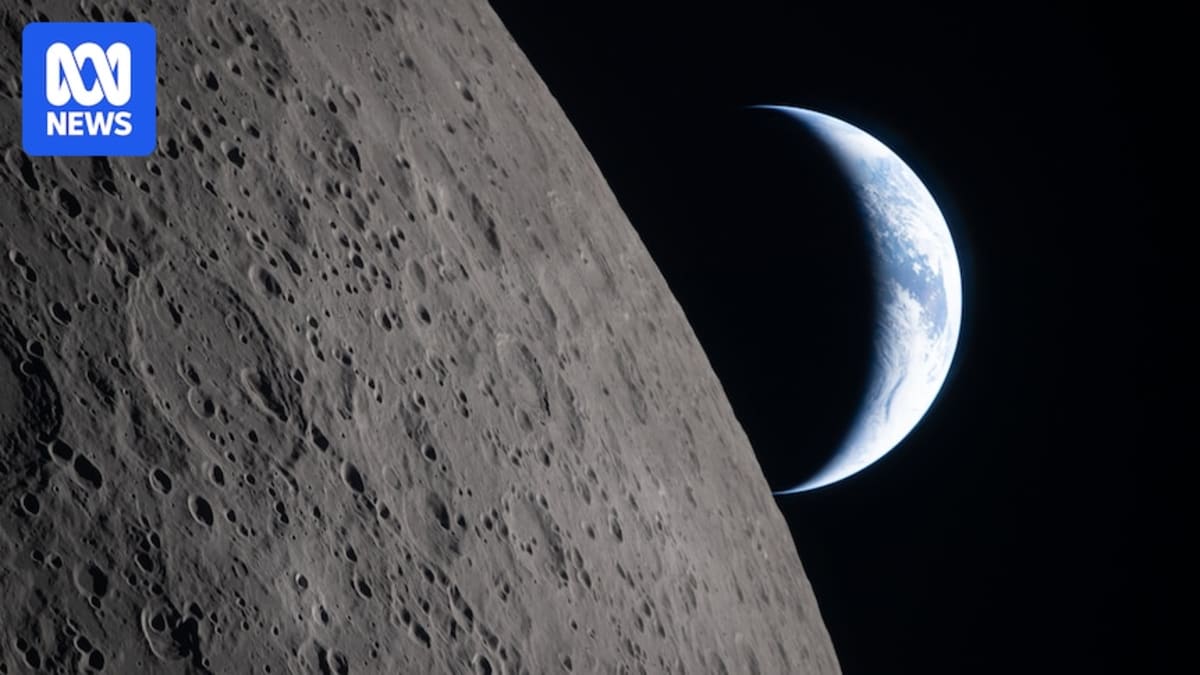
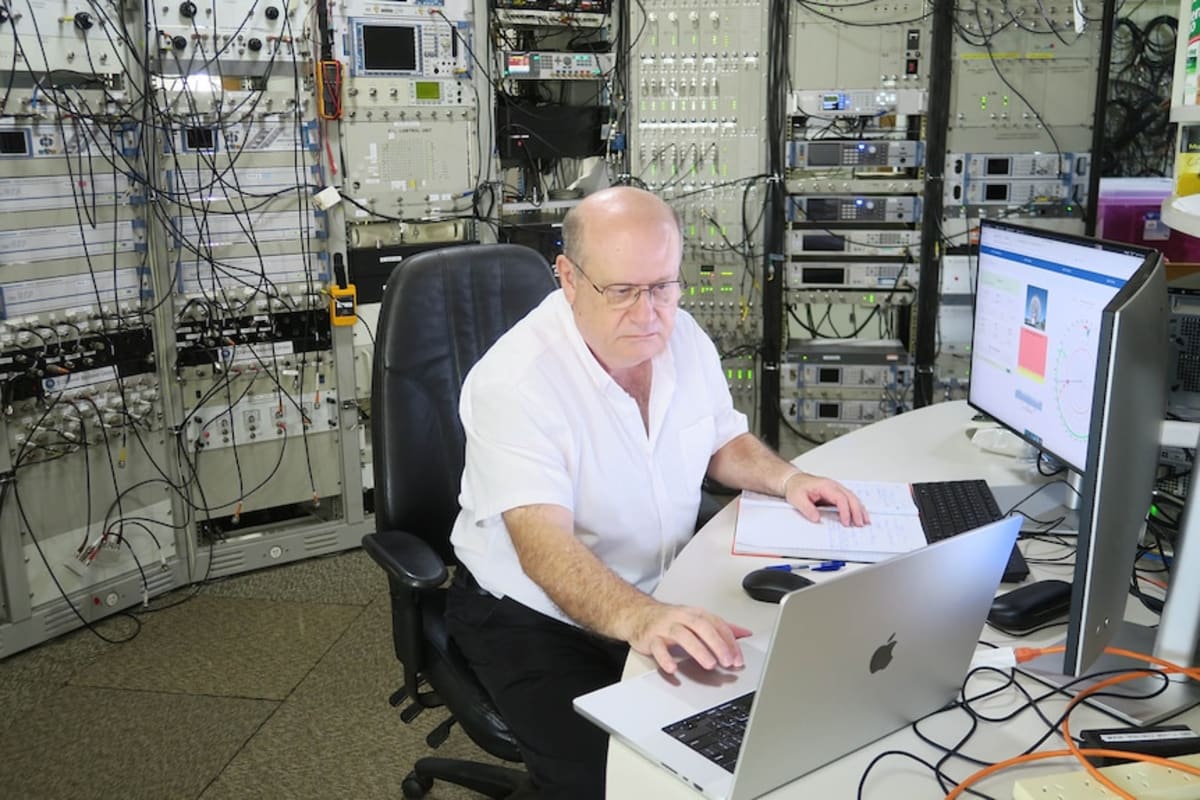
The massive radio telescope in rural New South Wales tracked Artemis II as it swung behind the Moon last week, capturing never-before-seen footage of the lunar far side. CSIRO operations scientist John Sarkissian watched the spacecraft's signal vanish for 40 minutes as it disappeared behind the Moon, then reappear as it emerged on its journey back to Earth.
"It was really fascinating to see the signal suddenly drop out and then reappear," Sarkissian said from the telescope tower, where he managed the entire tracking operation solo. Decades ago, the same work required racks of equipment and teams of people.
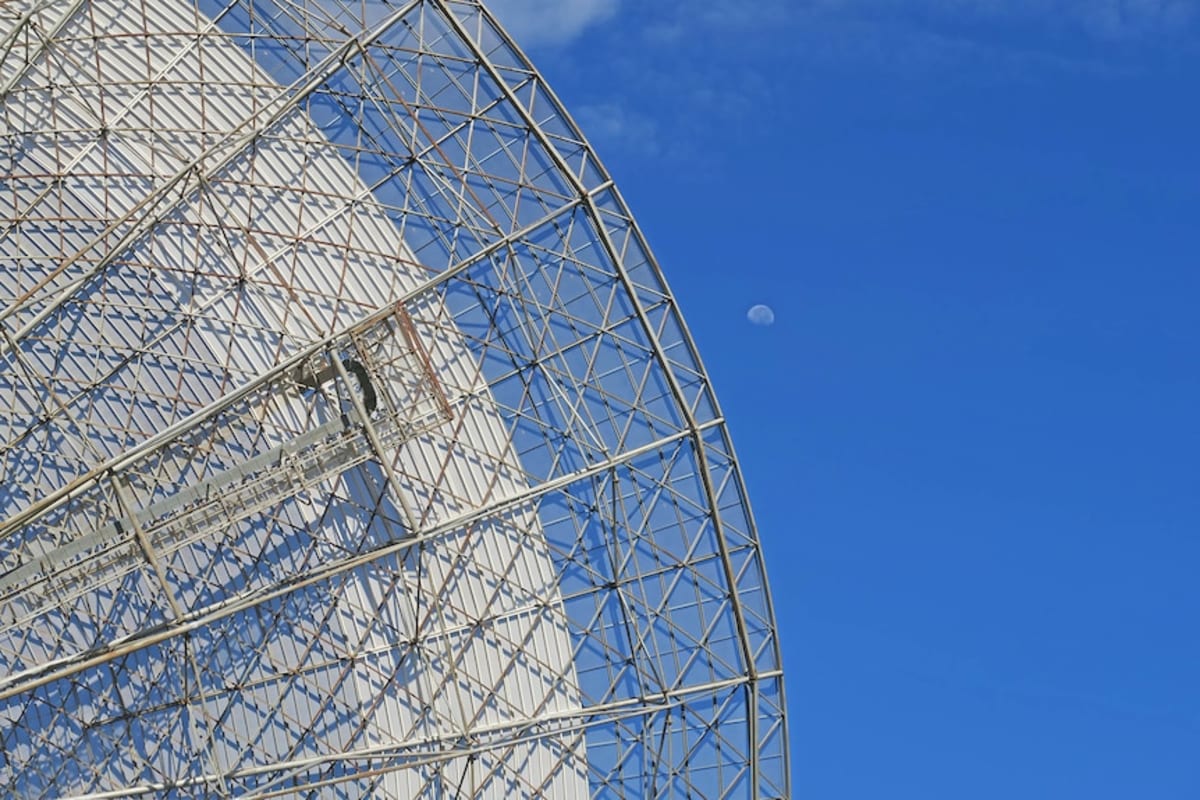
The Parkes Observatory, affectionately known as "the Dish" and immortalized in the 2000 film starring Sam Neill, first assisted space missions in 1962. During Apollo 11 in 1969, it received the TV pictures of the first moonwalk that captivated the world.
The telescope also played a crucial role in Apollo 13, receiving weak signals from the crippled spacecraft that helped Mission Control diagnose problems and guide the astronauts home safely. Now known by its traditional Wiradjuri name Murriyang, the 64-meter dish has far greater capabilities than during the Apollo era.
Why This Inspires
Sarkissian spent most of his childhood and all of his adult life daydreaming about humanity's return to the Moon. As a first grader, he watched the Apollo 11 moonwalk with his classmates, an experience that inspired an entire generation to look up and pursue science.
Now he's witnessing history repeat itself with Artemis II, but this time the story is just beginning. NASA plans to land astronauts on the Moon in 2028 and potentially build a permanent lunar base, creating continuous traffic between Earth and our nearest neighbor.
The Parkes Observatory will be essential to those future missions. NASA's own tracking facilities can't handle the increasing volume of lunar operations alone, and they're counting on Australia's world-class service.
"There is going to be a lot of traffic," Sarkissian said. "It gives them great confidence that if in the future they do need our support, we will be there."
The Artemis II spacecraft is expected to splash down on Earth Saturday morning Australian time, completing humanity's first crewed lunar mission in over five decades and opening the door to a new era of space exploration that will inspire today's students the same way Apollo inspired their grandparents.
More Images


Based on reporting by ABC Australia
This story was written by BrightWire based on verified news reports.
Spread the positivity!
Share this good news with someone who needs it