Pastoralists Share Ancient Climate Wisdom at UN Summit
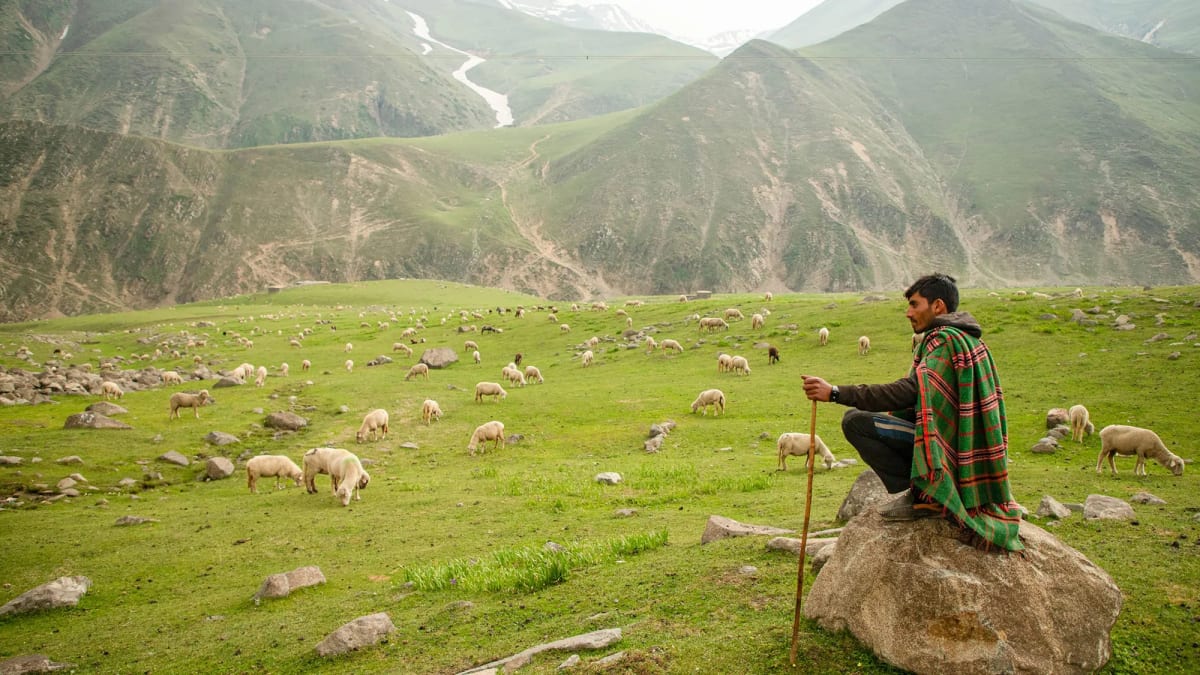
Indigenous herders from 50+ communities gathered in Mongolia to showcase how their centuries-old land practices offer crucial solutions for a drought-stricken world. Their traditional knowledge is now getting its first formal platform at a major UN conference.
For Andrew Msami's Maasai community in Tanzania, cattle aren't just livestock. They're identity, wealth, and heritage passed down through generations.
But climate change is forcing impossible choices. Msami and his neighbors are selling their cattle and buying goats that tolerate drought better but hold far less cultural and financial value. "If you lose your identity, it means you have lost everything," he told Grist.
Now, Msami and hundreds of fellow pastoralists are fighting back with knowledge instead of desperation. They gathered this week in Mongolia for the UN Convention to Combat Desertification, armed with lessons from generations of surviving on the world's toughest landscapes.
The timing couldn't be more urgent. Desertification is happening 30 to 35 times faster than the historical average, threatening rangelands that cover half the planet's landmass and support 500 million people worldwide.
While climate change and biodiversity loss have attracted trillions in funding since 1992, desertification was largely ignored as a "developing world problem." That changed when Spain, France, and Sweden faced their worst droughts in decades.
Why This Inspires
This year's conference marks a historic first. Indigenous pastoralists secured their own formal caucus, something even the bigger climate and biodiversity conferences don't offer. It's the first time their voices get equal standing at the global table.
The gathering falls during the UN's International Year of Rangelands and Pastoralists, raising awareness about communities who've been environmental stewards all along. Scientific evidence now confirms what these communities always knew: pastoral practices actually boost biodiversity and build climate-resilient landscapes.
Hindou Oumarou Ibrahim, the first Indigenous chair of the caucus and a Mbororo herder from Chad, led protests in the conference's first week demanding full participation rights. She knows traditional knowledge alone can't stop deserts advancing 1.2 miles per year in Chad, but combining ancient wisdom with modern resources could.
The pastoralists aren't asking for charity. They're demanding legal protections, funding access, and recognition that people who've thrived on marginal lands for centuries might know something about surviving what's coming. Countries have responded to drought by restricting herd sizes and movement, despite evidence that does more harm than good.
The world spent decades overlooking the people who knew drought best. Now it's finally ready to listen.
More Images
Based on reporting by Grist
This story was written by BrightWire based on verified news reports.
Spread the positivity!
Share this good news with someone who needs it