Pearl Farms Thrive Next to China's Nuclear Power Plant
Crystal clear waters near a nuclear power plant in southern China now host thriving pearl farms, proving clean energy can create unexpected opportunities. This innovative pairing is reshaping how the world thinks about sustainable development.
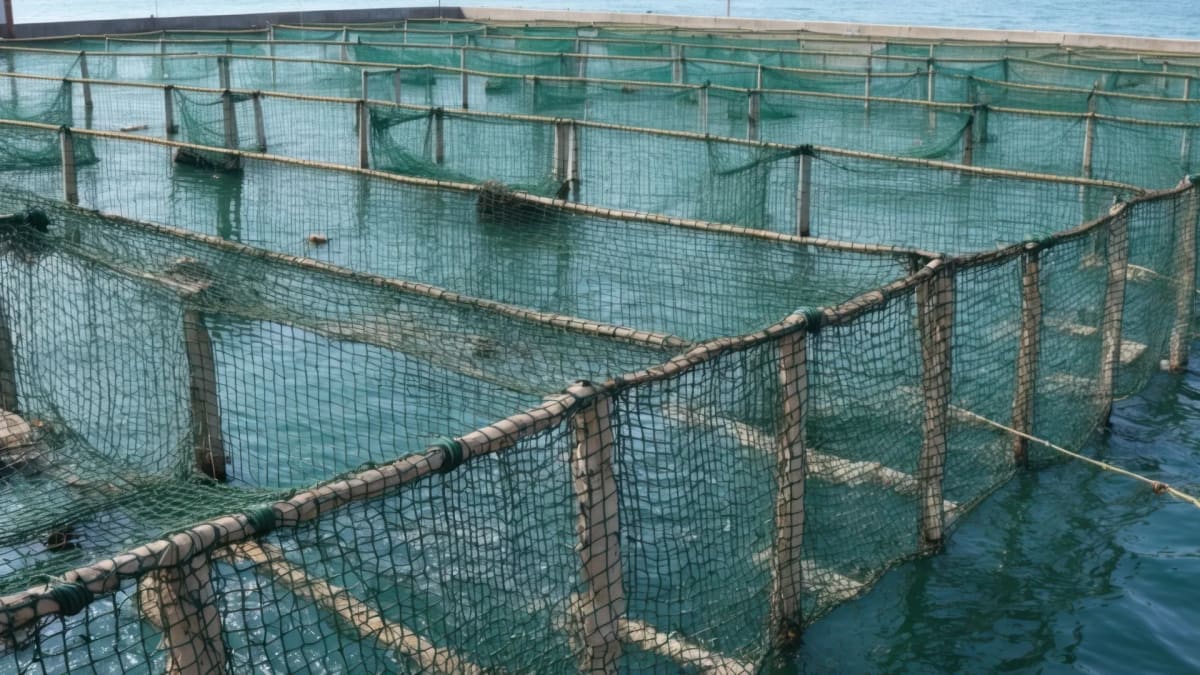
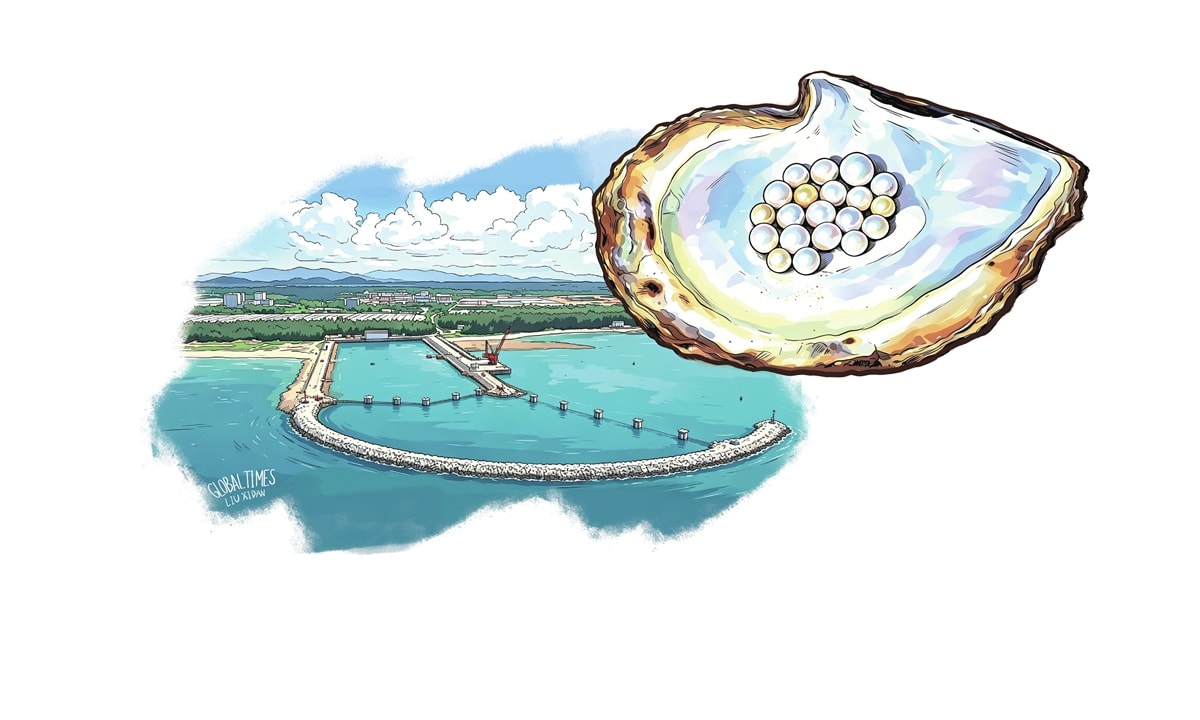
Offshore from the Changjiang nuclear power plant in China's Hainan Province, pearl oysters are flourishing in pristine ocean waters. The surprising partnership between nuclear energy and aquaculture is turning heads and overturning old assumptions about what clean energy facilities can do for local communities.
The nuclear plant generates electricity while providing ideal conditions for environmentally friendly pearl farming right next door. State broadcaster CCTV recently featured this unlikely duo, showcasing how clean energy infrastructure can support entirely new industries.
This isn't an isolated example. Across China, clean energy projects are pairing with local industries to create what experts call "Clean Energy Plus" models.
In Northwest China's Qinghai Province, solar farms are transforming barren desert land into productive spaces where sheep graze and drought resistant crops grow beneath the panels. The setup generates electricity while restoring damaged ecosystems and providing income for rural families.
Northeast China's wind power projects are now integrating with green hydrogen production and chemical plants. Each pairing leverages regional strengths while expanding the economic benefits of renewable infrastructure.
The approach is spreading internationally too. Chinese built solar projects in Saudi Arabia, like the Al Shuaibah photovoltaic plant, deliver affordable green electricity while supporting the country's Vision 2030 economic goals. Along the Red Sea coast, Chinese companies are helping build railway systems and data centers powered by wind networks.
The Ripple Effect
These creative combinations show how clean energy can do more than reduce carbon emissions. When thoughtfully integrated with local needs and strengths, renewable power becomes a foundation for economic growth, job creation, and environmental restoration all at once.
The pearl farms in Hainan prove that sustainability and prosperity aren't competing goals. The clear waters required for healthy oysters demonstrate the nuclear plant's minimal environmental impact, while the farming operation provides jobs and economic value to coastal communities.
This model offers developing nations a roadmap for building clean energy infrastructure that pays multiple dividends. Instead of choosing between environmental protection and economic development, regions can pursue both simultaneously through smart planning and cross industry collaboration.
As global demand for clean energy grows, these innovative pairings will likely multiply. The lesson from Hainan's unlikely partnership is clear: sustainable development works best when we think creatively about how different industries can support each other.
Based on reporting by Google News - Clean Energy
This story was written by BrightWire based on verified news reports.
Spread the positivity!
Share this good news with someone who needs it