Peatlands Store 30% of World's Carbon on Just 3% of Land
Boggy wetlands covering just 3% of Earth's surface hold nearly a third of the planet's carbon, and communities worldwide are finding new ways to protect them. From the Congo Basin to the Arctic, people are restoring these vital ecosystems using both science and ancient wisdom.
Picture a soggy bog storing thousands of years of trapped carbon beneath its surface. That's exactly what peatlands do, and they're among our planet's most powerful allies against climate change.
These waterlogged ecosystems stretch from Russian Arctic forests to central African tropics. When plants die and sink into bogs, water covers them and locks away carbon that would otherwise escape into the atmosphere. Some of this carbon has been trapped for millennia.
The numbers tell an incredible story. Peatlands cover just 3% of Earth's land but store nearly one third of the world's carbon. That makes them essential for keeping our climate stable.
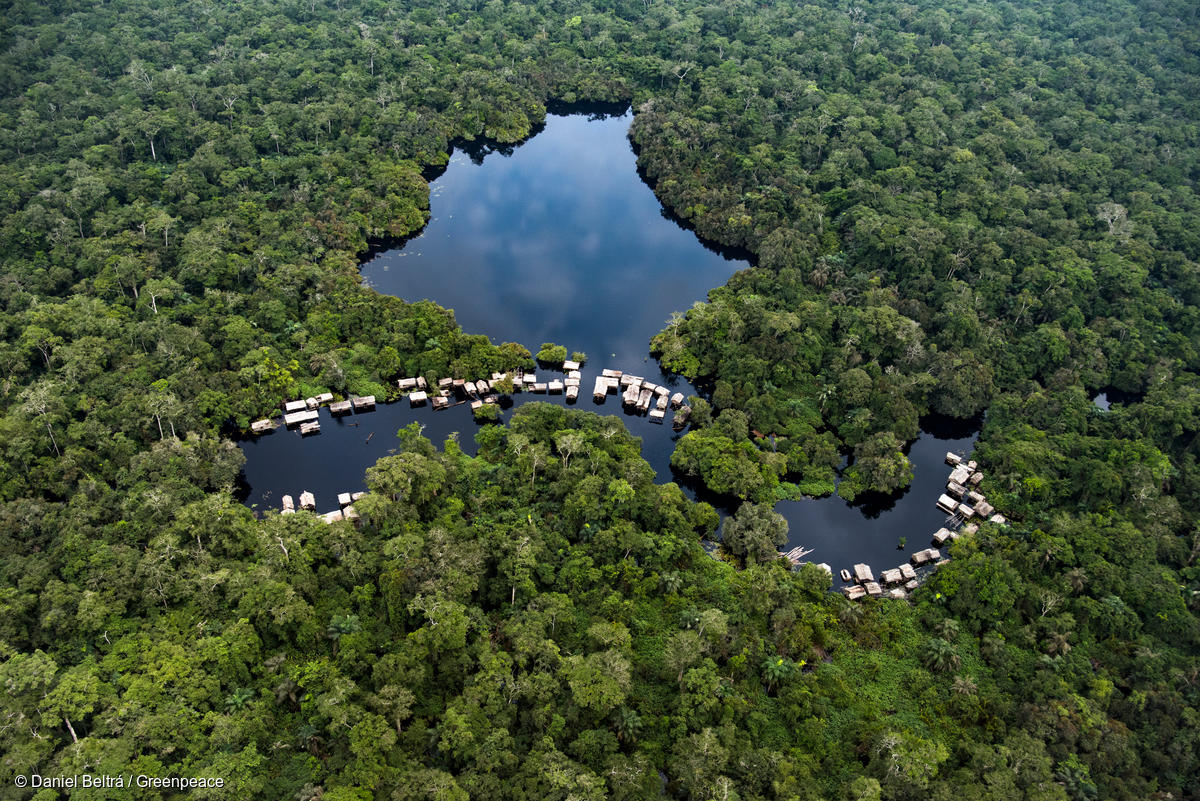
In Africa's Congo Basin, scientists only mapped the world's largest tropical peatland about a decade ago. The Cuvette Centrale peatlands stretch roughly the size of England and hold 30 billion metric tons of carbon. Researchers recently discovered that some lakes there are slowly releasing ancient carbon between 2,000 and 3,500 years old, though they're still working to understand why.
Up in the Arctic, communities are taking action before it's too late. Local and Indigenous groups across Europe, Canada and the U.S. created the world's first coordinated restoration hub for Arctic and boreal peatlands. They've already restored more than 100,000 hectares of critical habitat.
Indigenous Gwich'in communities in Canada's Northwest Territories are removing invasive plants so tribal members can access traditional lands. "The access allows for on-the-ground observation and care of Gwich'in lands through traditional land use practices such as hunting, fishing and berry picking," says Kristi Benson of the Gwich'in Tribal Council.
In Peru, communities found their own path to preservation. Local people near the Pastaza River used to cut down aguaje palm trees to harvest their red fruit. When trees became scarce, they switched methods. Now they climb the trees and shake the fruit free instead, protecting both the forest and the carbon stored beneath it.
The Ripple Effect
These restoration efforts do more than fight climate change. Arctic communities are reconnecting with ancestral lands while sharing traditional knowledge that helps scientists understand these ecosystems better. Peruvian harvesters are protecting their livelihoods and local biodiversity by adapting old practices. Each preserved peatland keeps carbon locked away while supporting the people and wildlife that depend on these wetlands.
From frozen tundra to tropical swamps, communities are proving that protecting peatlands protects us all.
More Images


Based on reporting by Mongabay
This story was written by BrightWire based on verified news reports.
Spread the positivity!
Share this good news with someone who needs it