Penguins Choose White Plastic—Science May Have a Solution
New research reveals penguins actively prefer white plastic over other colors, mistaking it for prey or mates. Scientists now recommend reducing white plastic production to protect seabirds from deadly ingestion.
Scientists in New Zealand just discovered why seabirds keep eating the most dangerous plastic—and their finding could save thousands of lives.
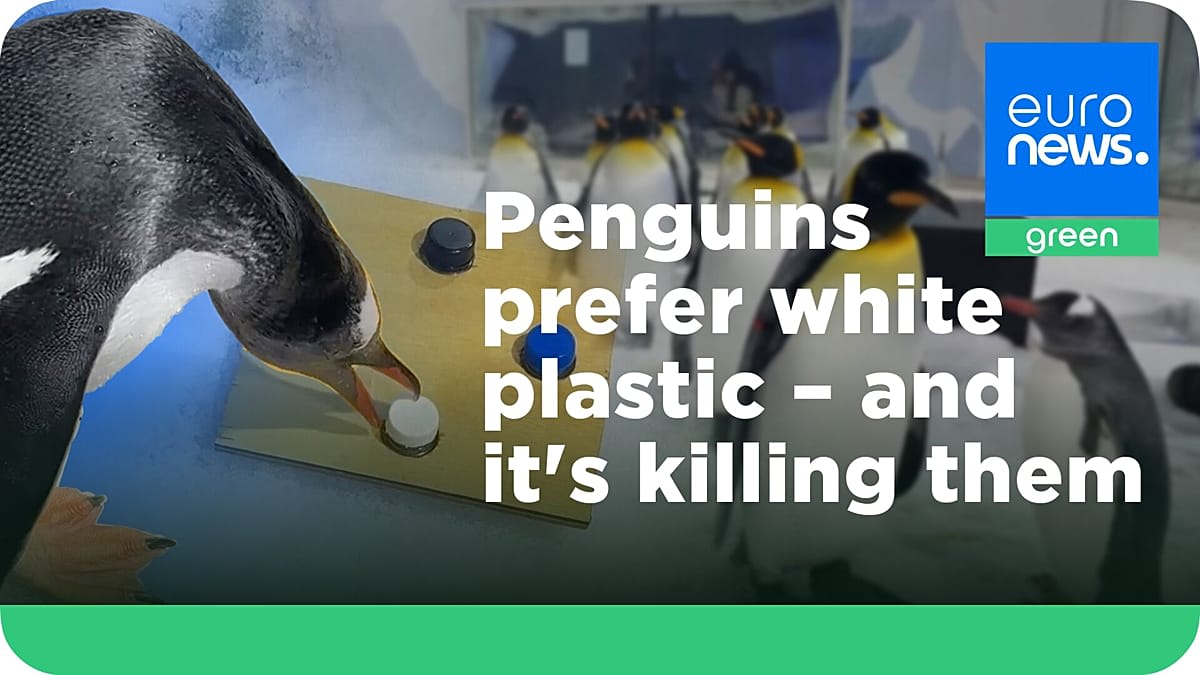
Researcher Ariel-Micaiah Heswall from the University of Auckland studied 69 penguins at Kelly Tarlton Sealife Aquarium to solve a troubling mystery. When scientists examined dead seabirds, they found their stomachs packed with white plastic instead of the colorful debris floating in our oceans.
The experiment was simple but revealing. Heswall's team placed red, blue, black, and white bottle caps in the penguin enclosure to see which colors attracted the birds. The penguins chose white caps almost twice as often as black ones and 45% more often than red or blue.
This preference isn't random. Penguins appear to mistake white plastic for squid, fish, or even the white feathers of potential mates. During the study, several penguins actually performed courtship behaviors toward the white caps.
The consequences of this color preference are deadly. Soft white plastics like balloons block digestive systems and cause starvation. Sharp fragments pierce internal organs. Microplastics leak into bloodstreams and disrupt hormones. Some birds develop plasticosis, a disease where plastic irritates the gut so severely it creates permanent scar tissue.
Heswall's earlier research showed this isn't just a penguin problem. She studied 13 seabird species across New Zealand's North Island and found white plastic dominated the contents of their stomachs too.
The Bright Side
Here's the hopeful twist. Unlike many environmental problems that feel overwhelming, this one has a straightforward solution. Manufacturers can simply switch from white plastic to darker colors for products likely to end up in oceans.
White plastic creates what Heswall calls a "triple threat." It's the most common color in ocean debris, the most common color found in seabird guts, and now proven to be actively preferred by the birds themselves. Change one factor and you break the deadly cycle.
The research matters beyond penguins. One in three seabird species worldwide faces extinction, and plastic ingestion ranks among the top threats. Tens of thousands of tourists visit Kelly Tarlton each year to see these charismatic birds. Now those same penguins are teaching us how to protect their wild cousins.
Heswall's recommendation is clear: reduce plastic overall, but especially reduce white plastic in products that could reach the ocean. It's a simple color swap that could give seabirds a fighting chance.
Small changes in what we manufacture today could mean healthier oceans and thriving seabird populations tomorrow.
More Images

Based on reporting by Euronews
This story was written by BrightWire based on verified news reports.
Spread the positivity!
Share this good news with someone who needs it