Penn Gets $10M to Treat Ultra-Rare Disease Killing Families
Scientists at Penn received $10 million to develop the first treatment for RVCL, a deadly genetic disease affecting fewer than 50 families worldwide. The new drug could prevent symptoms in people like Lindsay Ward, who's watching her mother lose her vision and mobility to the same disease she inherited.
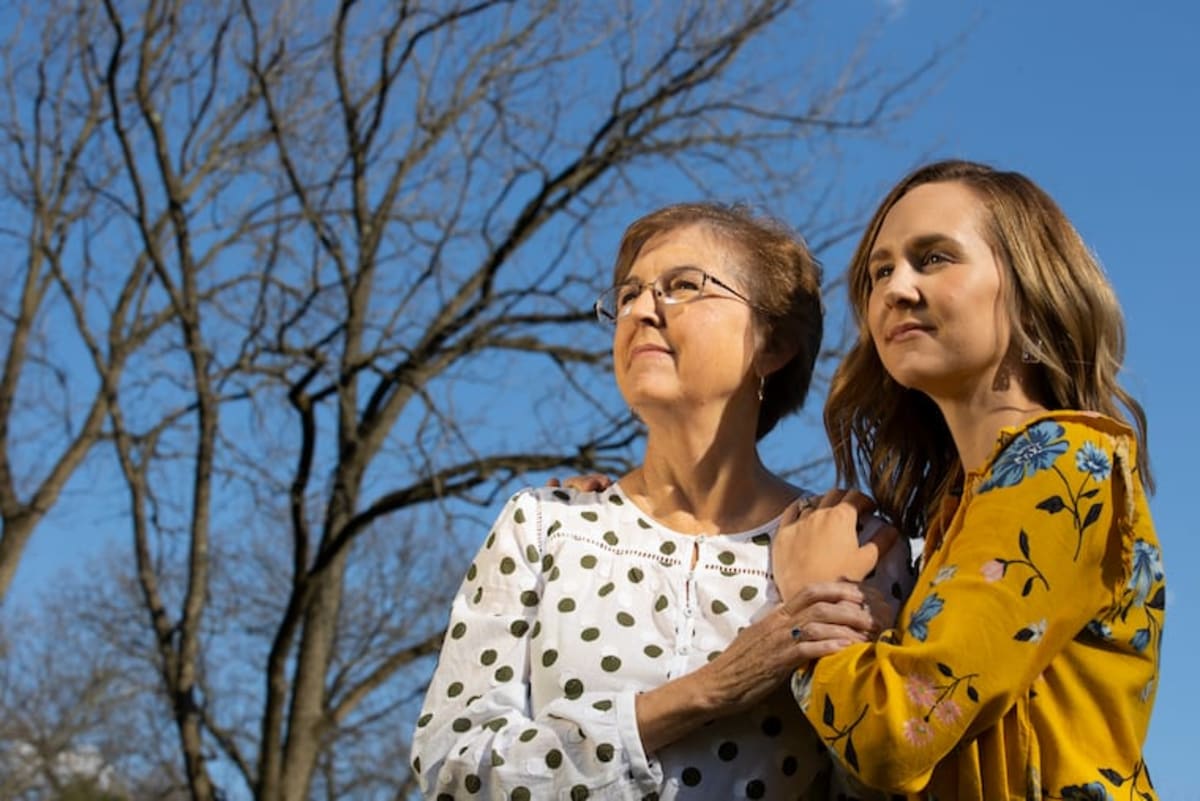
Lindsay Ward teaches school, raises three kids, and lives with a ticking clock inside her DNA.
The 37-year-old from West Deptford, New Jersey, inherited a genetic mutation that causes RVCL, a disease so rare that only about 50 families worldwide have it. The condition destroys small blood vessels throughout the body, typically striking between ages 35 and 50 and causing blindness, strokes, kidney failure, and premature death within five to 10 years of the first symptoms.
Ward has already watched the disease take her uncle's life last year. Her 67-year-old mother, Barbara Small, started losing her vision in her 50s and has since suffered multiple strokes, becoming nearly blind in one eye and too weak to walk far without resting.
"I do as many active things as humanly possible because I'm so worried about becoming frail," Ward said. "I see the weakness that my mom has and I don't want that."
Now, there's real hope on the horizon. Jonathan Miner, who directs the RVCL Research Center at Penn, just received $10 million from the Clayco Foundation to develop what could become the first treatment for this relentless disease.
His approach uses a groundbreaking type of medicine called a degrader. The drug works by eliminating the faulty protein causing RVCL before it can damage DNA and destroy blood vessels. Think of it like removing a wrecking ball before it hits the building.
In mice with the disease, the treatment protected cells from DNA damage and prevented premature death. The $10 million will fund safety studies over the next year, and if those tests succeed, human trials could begin.
The timing matters enormously for families like Ward's. If the drug proves safe and effective, people carrying the mutation could take it before symptoms start, potentially preventing the disease entirely rather than just managing it.
Why This Inspires
Ward gets brain scans and eye tests every six months, watching for the first signs that her disease has awakened. She doesn't know if her three children inherited the same mutation. Testing isn't recommended for kids since the disease emerges so late, but if a preventive treatment becomes available, that changes everything.
At a recent research symposium at Penn, Ward heard Miner present his findings. For her mother, the treatment would likely only stabilize her condition, not reverse the damage already done. But for Ward and potentially her children, it could mean the difference between a normal life and the fate she's watched unfold in her family.
"I believe that everybody deserves a chance to live," Miner said, reflecting on the many patients he's seen die from RVCL and the children who've lost parents too young.
The road ahead is long, and most experimental treatments never make it to patients. But for the first time, families living with RVCL have something they've never had before: a real shot at changing their future.
More Images
Based on reporting by Google News - Disease Cure
This story was written by BrightWire based on verified news reports.
Spread the positivity!
Share this good news with someone who needs it