Penn Scientists Find Way to Stop Parkinson's Spread
University of Pennsylvania researchers discovered how to interrupt the cycle that spreads Parkinson's disease through the brain, using antibodies to block a key immune protein. The breakthrough could lead to the first treatment that actually slows the disease rather than just managing symptoms.
For over one million Americans living with Parkinson's disease, a major scientific breakthrough just arrived. Researchers at the University of Pennsylvania have found a way to stop the disease from spreading through the brain, bringing real hope for slowing progression for the first time.
The Penn team identified a protein called GPNMB that acts like a highway for Parkinson's to travel between brain cells. When they blocked this protein with specially designed antibodies in laboratory experiments, the spread of harmful protein clumps stopped in its tracks.
"Many patients with Parkinson's disease are diagnosed in the early stages, when symptoms are relatively mild, but there is currently no treatment that slows the progression," said lead researcher Dr. Alice Chen-Plotkin. "These early results are a promising step towards developing this type of treatment."
Here's what makes this discovery so important. About 90,000 Americans are diagnosed with Parkinson's each year, usually in early stages when tremors and movement problems are still mild. Current treatments like levodopa and deep-brain stimulation help manage symptoms, but nothing stops the disease from getting worse over time.
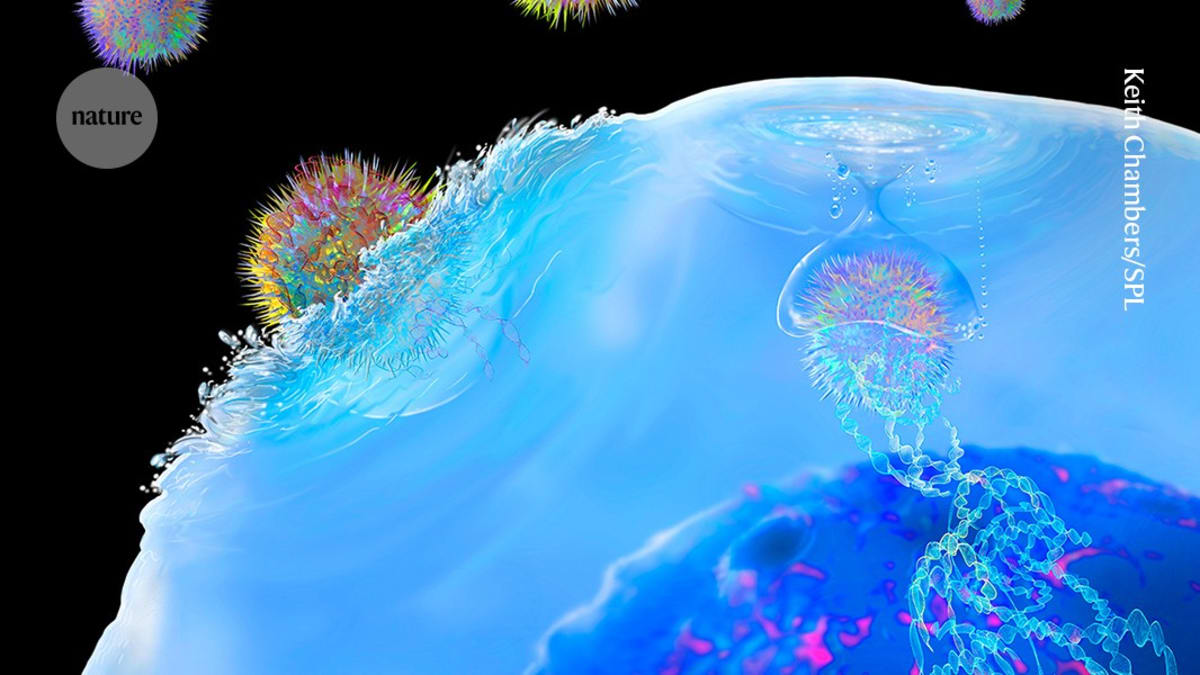
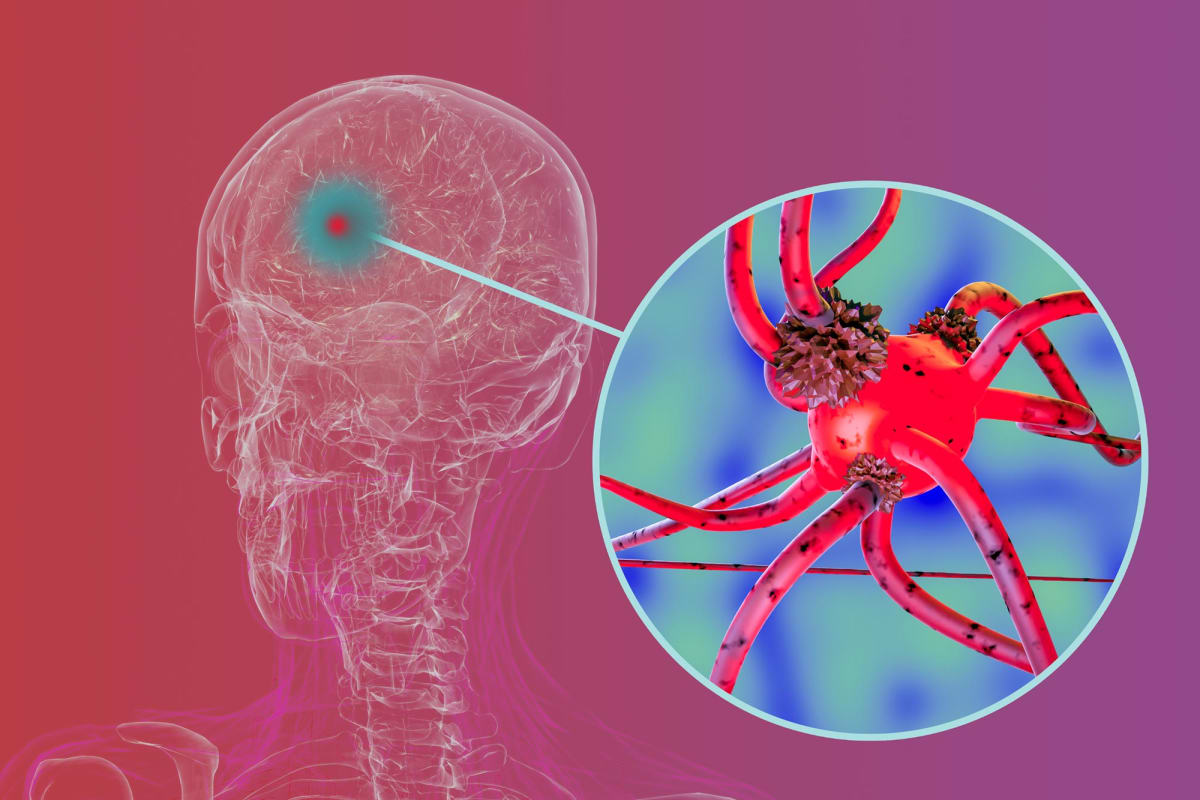
The research, published in the journal Neuron, reveals how the disease creates a vicious cycle. Abnormal protein clumps called alpha-synuclein build up inside brain cells, damaging and killing them. The brain's immune cells respond by producing GPNMB, but instead of helping, this protein actually speeds up the spread of those harmful clumps to healthy neurons nearby.
The team tested their antibody approach in cultured neurons and saw it successfully interrupt this damaging cycle. To confirm the findings applied to humans, they examined tissue from 1,675 brains stored in the Penn Brain Bank. People with genetic variants that produced more GPNMB showed more widespread disease, confirming the protein's central role.
The Ripple Effect
This discovery could transform life for millions. Early diagnosis of Parkinson's often brings fear and uncertainty because patients know symptoms will worsen over time. A treatment that actually slows progression would give newly diagnosed patients precious years of better function and independence.
The research also found that GPNMB levels weren't linked to other brain diseases like Alzheimer's, suggesting this approach could be specific to Parkinson's without unwanted side effects on other conditions.
Chen-Plotkin cautions there's still work ahead before this becomes a human treatment, but the evidence from both lab experiments and human tissue analysis points in an encouraging direction. For the first time, scientists have a clear target for stopping Parkinson's spread and a proven method to hit that target.
After decades of treatments that only masked symptoms, a real solution may finally be within reach.
More Images
Based on reporting by Google News - Scientists Discover
This story was written by BrightWire based on verified news reports.
Spread the positivity!
Share this good news with someone who needs it