Penn State Dairy Study Cuts Carbon Footprint 20%
Pennsylvania researchers found a way to slash dairy farming's environmental impact by more than 20% while producing renewable energy. The breakthrough combines year-round cover crops with a process that turns manure into clean-burning fuel.
Scientists at Penn State just figured out how dairy farms can fight climate change and generate their own renewable energy at the same time.
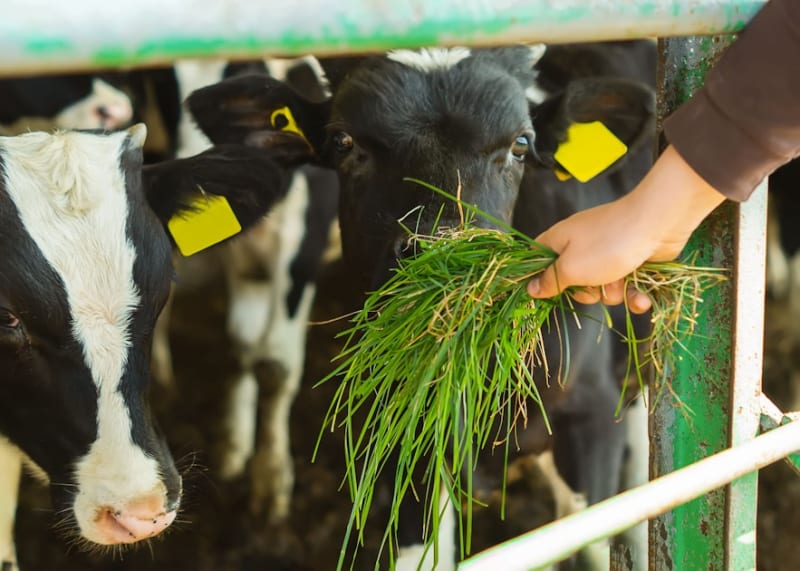
The research team tested a system they call Grass2Gas on a simulated large Pennsylvania dairy farm. By keeping fields covered with grass year-round and using a natural process called anaerobic digestion to convert manure and plant matter into biogas fuel, they reduced the carbon footprint of milk production by more than 20%.
"We wanted to see if promoting perennial plants for nutrient management and converting manure into biogas could support sustainability on Pennsylvania dairy farms," said Christine Costello, assistant professor of agricultural and biological engineering at Penn State. The answer was yes, but with important nuances.
The biogas produced can be upgraded to renewable natural gas or burned directly to generate electricity and heat for farm operations. That means dairy farms could potentially power themselves while reducing greenhouse gas emissions that contribute to climate change.
The researchers used lifecycle assessment, tracking every practice and resource from start to finish, to compare this new approach with typical dairy farm management. They partnered with Iowa State University and Roeslein Alternative Energy to develop the comprehensive model.
The study revealed some complexity. While continuous cover crops reduce nutrient runoff that pollutes waterways, growing extra vegetation for the digester sometimes required importing more cattle feed from off-farm sources. That shifted some environmental impact elsewhere.
The research team found a practical solution. Reducing herd size slightly to match available on-farm feed resulted in minimal milk losses, comparable to the amount of dairy already wasted in the supply chain each year according to USDA estimates.
Why This Inspires
This research shows that fighting climate change doesn't require choosing between agriculture and the environment. Farmers can reduce emissions, generate renewable energy, and maintain productive operations by thinking of crops, livestock, and energy as one connected system.
The digestate left after the biogas process creates nutrient-rich fertilizer for fields, though it behaves differently than raw manure and requires careful management to maximize benefits and minimize nitrogen emissions.
The findings, published in Environmental Science and Technology, highlight how new technologies can work with traditional farming when scientists consider the full picture. The multi-institutional Grass2Gas project continues developing practical solutions for real farms facing real challenges.
Farmers willing to make adjustments can significantly reduce their environmental footprint while tapping into new revenue streams from renewable energy production.
More Images
Based on reporting by Google News - Emissions Reduction
This story was written by BrightWire based on verified news reports.
Spread the positivity!
Share this good news with someone who needs it