Penn State Finds New Way to Control Invasive Plants
Scientists discovered that fire can eliminate invasive shrubs choking out native forests, but only when applied the right way. The surprising findings could help land managers protect ecosystems without toxic chemicals.
Invasive shrubs have been quietly choking native forests across eastern North America for decades, but Penn State researchers just found a promising way to fight back using fire.
Burning bush and border privet, two aggressive plants brought from East Asia nearly 200 years ago as decorative landscaping, now form dense thickets that crowd out native species and disrupt entire ecosystems. Land managers have long struggled to control them without expensive mechanical removal or toxic herbicides.
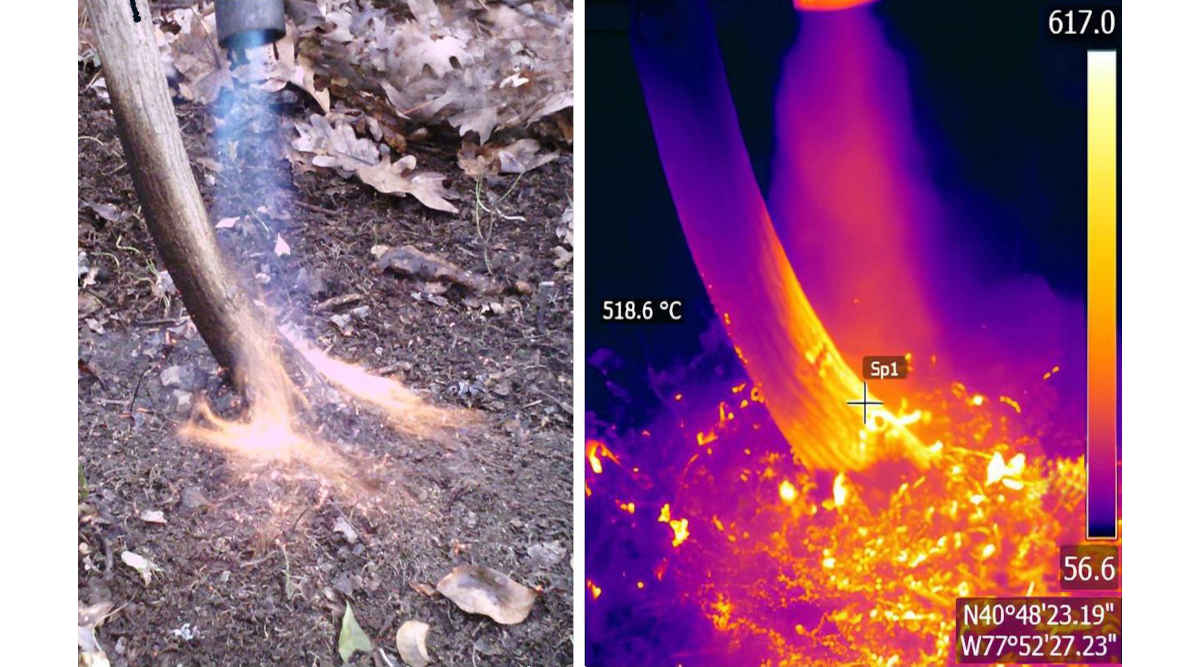
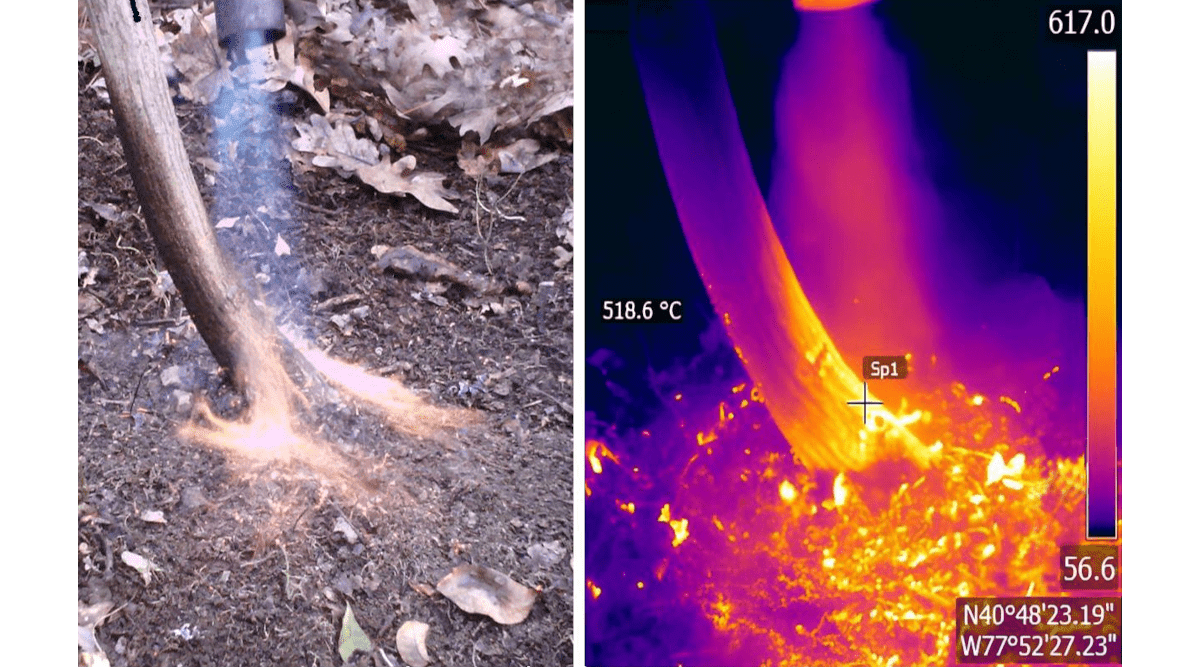
Researchers in Pennsylvania's Arboretum decided to test exactly how fire affects these invaders. Instead of setting actual forest fires, they used propane torches to simulate different burning techniques on individual plants, applying heat for various durations to different parts of the shrubs.
The results surprised even the scientists. When they burned only the leaves and upper branches, the plants survived easily. But heating the base of the stem for 35 seconds proved highly effective at killing the invasive shrubs, especially smaller ones with thinner stems.
Then came the unexpected discovery. When researchers burned both the leaves and the base together, assuming more fire would mean better results, the plants actually became harder to kill. Instead of dying, they resprouted and grew back stronger.
"As far as we can tell that result has never been documented before," said Arun Regmi, the study's lead author. The finding might explain why prescribed burns have often failed to eliminate these invasive species in the past.
The two plant species responded differently to heat. Border privet withstood the initial burning better but sprouted back more vigorously afterward. Burning bush tolerated fire better at first but was more likely to die months or even years later, meaning managers need to monitor treated areas for extended periods.
The Bright Side
This research opens the door to managing invasive plants without chemicals that harm sensitive ecosystems. The key is using low-intensity "backing fires" that move slowly against the wind or downhill, creating sustained heat at ground level while remaining controllable.
The findings give forest managers a clearer playbook for protecting native species. Fire intensity matters more than fire coverage, and patience pays off since some plants don't show effects for years.
Understanding how plants survive damage helps us protect the forests that clean our air, shelter wildlife, and connect us to nature.
More Images



Based on reporting by Google News - Researchers Find
This story was written by BrightWire based on verified news reports.
Spread the positivity!
Share this good news with someone who needs it