Pennsylvania Dairy Farms Cut Emissions 20% With New System
A new farming approach combining year-round cover crops and biogas production could slash dairy farm emissions by over 20% while turning manure into renewable energy. Penn State researchers found the "Grass2Gas" system offers real climate progress, though farmers may need to make smart trade-offs.
Pennsylvania dairy farms might have discovered a powerful weapon against climate change that also creates clean energy.
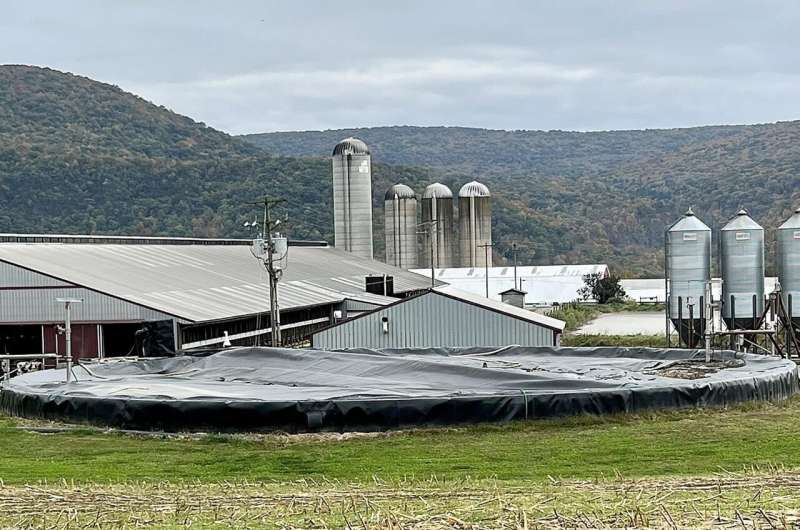
Researchers at Penn State just proved that a new farming approach called Grass2Gas can cut the carbon footprint of milk production by over 20%. The system works by keeping fields covered with vegetation year-round and using special digesters to convert manure and plant matter into biogas, a clean fuel made mostly of methane.
The team simulated a typical large Pennsylvania dairy farm and compared it to farms using traditional methods. They tracked every practice and resource from start to finish to measure the real environmental impact.
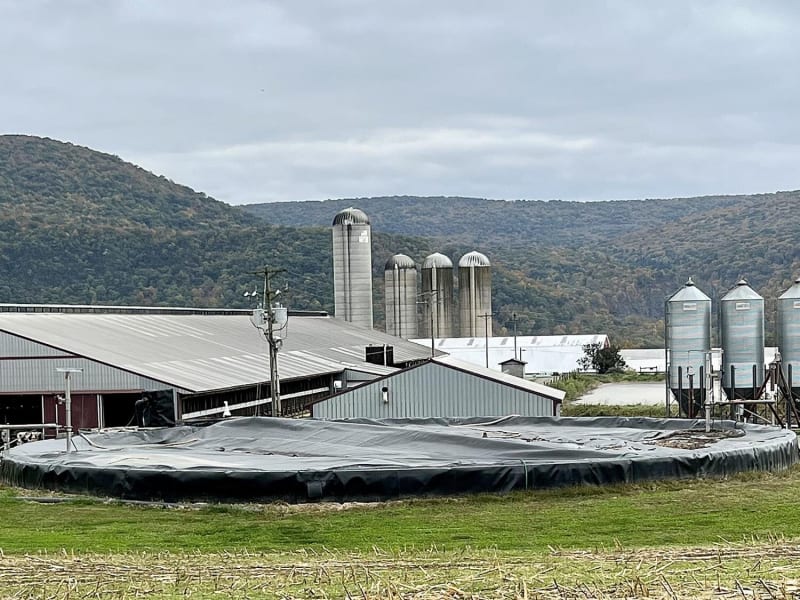
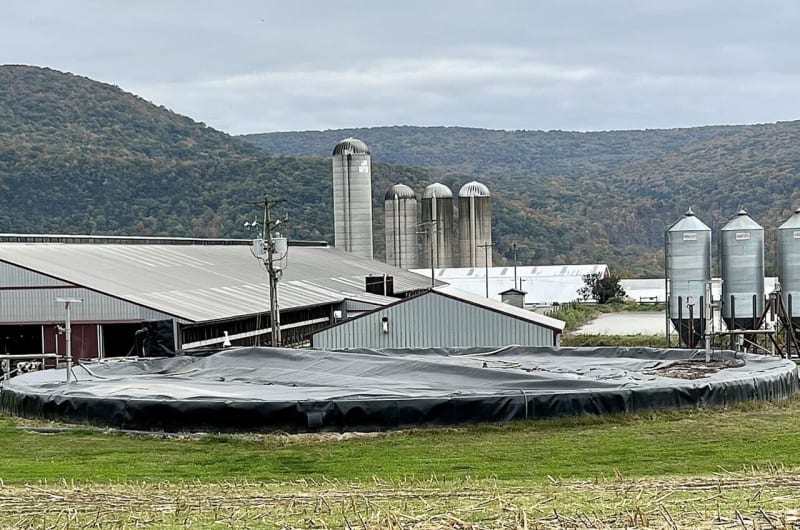
Here's how it works: farmers keep their fields covered with grassy plants all year instead of leaving soil bare between seasons. Then they feed both the vegetation and cow manure into anaerobic digesters, where microbes break down the organic matter and produce biogas. Farms can burn that biogas to generate electricity and heat, or upgrade it to renewable natural gas.
Assistant Professor Christine Costello, who led the study published in Environmental Science & Technology, wanted to test whether these sustainability promises held up in the real world. Her team found genuine climate benefits, but also discovered important complexities farmers need to understand.
The water quality results surprised researchers. Growing extra vegetation for the digesters meant some farms needed to import more feed from elsewhere, which just shifted environmental impacts to other locations. But the team found a simple solution: farms that slightly reduced herd size to match available feed lost less milk than Americans currently waste in the dairy supply chain anyway.
The digestion process changes how manure behaves when spread on fields. The leftover material, called digestate, releases nitrogen differently than regular manure, affecting emissions of ammonia and nitrous oxide. Understanding these changes helps farmers manage their fields better and reduce pollution.
The Ripple Effect
This breakthrough matters beyond Pennsylvania's borders. Dairy farming produces significant greenhouse gas emissions worldwide, and practical solutions that farmers can actually implement are desperately needed. The Grass2Gas approach shows how agriculture can become part of the climate solution instead of just the problem.
The research came from a collaboration between Penn State, Iowa State University, and Roeslein Alternative Energy. By combining expertise across institutions and working with industry partners, they created a roadmap other dairy regions could follow.
The study proves that sustainable farming doesn't require choosing between production and planet. With thoughtful adjustments, dairy farms can produce clean energy, reduce emissions, and keep feeding communities.
Agriculture is learning to work with nature instead of against it, one innovative farm system at a time.
More Images

Based on reporting by Phys.org
This story was written by BrightWire based on verified news reports.
Spread the positivity!
Share this good news with someone who needs it