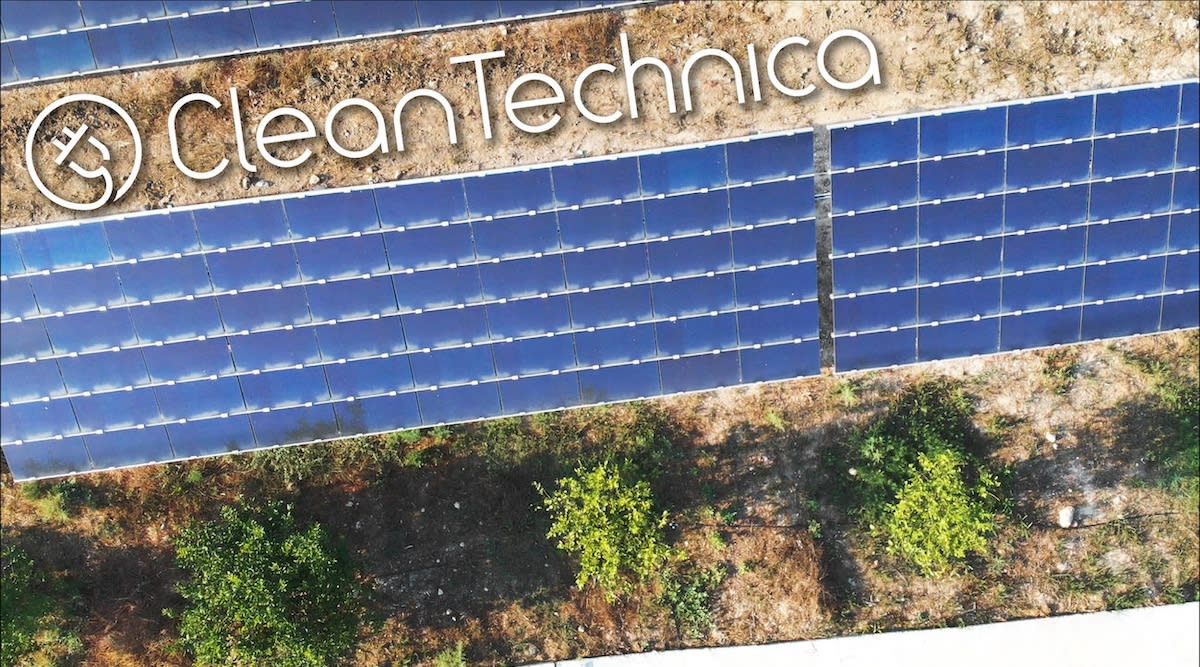
Pennsylvania Makes Solar Companies Clean Up Their Own Panels
Pennsylvania just passed a law ensuring solar companies, not landowners, must handle cleanup when solar farms reach the end of their life. The bipartisan bill protects farmers and property owners while keeping the state's clean energy growth on track.
📺 Watch the full story above
Pennsylvania landowners just got a huge protection that could change how solar energy expands across the state.
Governor Josh Shapiro signed Senate Bill 349 into law this week, creating clear statewide rules for what happens when large solar farms stop working. The new law puts the responsibility squarely on solar companies to remove and recycle their equipment, protecting landowners from being stuck with cleanup costs.
The bipartisan legislation addresses a concern that has slowed clean energy projects in rural communities. Farmers and property owners worried about leasing land for solar panels often asked the same question: what happens in 25 or 30 years when these panels stop working?
Now they have an answer. Solar developers must plan and pay for decommissioning from the start, following statewide standards that apply equally across Pennsylvania.
The Solar Energy Industries Association, which represents 1,200 solar companies nationwide, praised the law as a win for everyone involved. Tim Pawlenty, the organization's CEO, called it a "common-sense solution" that balances clean energy growth with landowner protection.
The Ripple Effect
This law does more than protect individual property owners. It removes a major obstacle to solar expansion in Pennsylvania, potentially accelerating the state's transition to affordable clean energy.
When landowners feel confident leasing their property, more solar projects can move forward. That means more local jobs during construction, lower electricity costs, and reduced carbon emissions. Rural communities that once hesitated now have the clarity they need to welcome solar development.
Other states watching Pennsylvania's approach may follow suit, creating a national standard that protects both landowners and clean energy progress.
The bill earned support from lawmakers on both sides of the aisle, showing that practical environmental solutions can unite rather than divide. Senator Gene Yaw worked alongside Governor Shapiro to craft rules that developers can follow while giving landowners peace of mind.
Pennsylvania joins a growing number of states recognizing that clean energy transitions work best when everyone's interests are protected. Solar panels might generate power for decades, but knowing they won't become someone else's problem makes all the difference.
This smart policy proves we can grow clean energy while looking out for the people who make it possible.
More Images

Based on reporting by CleanTechnica
This story was written by BrightWire based on verified news reports.
Spread the positivity!
Share this good news with someone who needs it