People Film Chores to Train Future Helper Robots
Thousands of workers worldwide are getting paid to film themselves doing everyday tasks like cooking and cleaning. Their videos are teaching the next generation of home robots how to help us with daily life.
Your morning routine of making breakfast and folding laundry could help train the helpful robots of tomorrow.
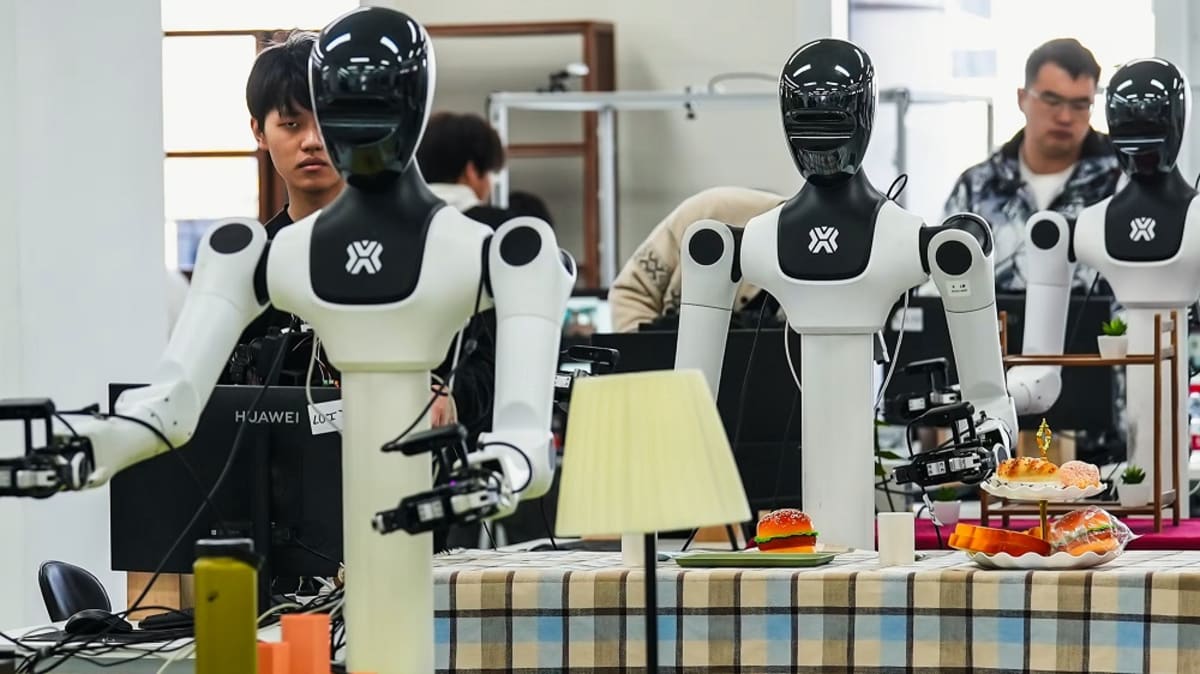
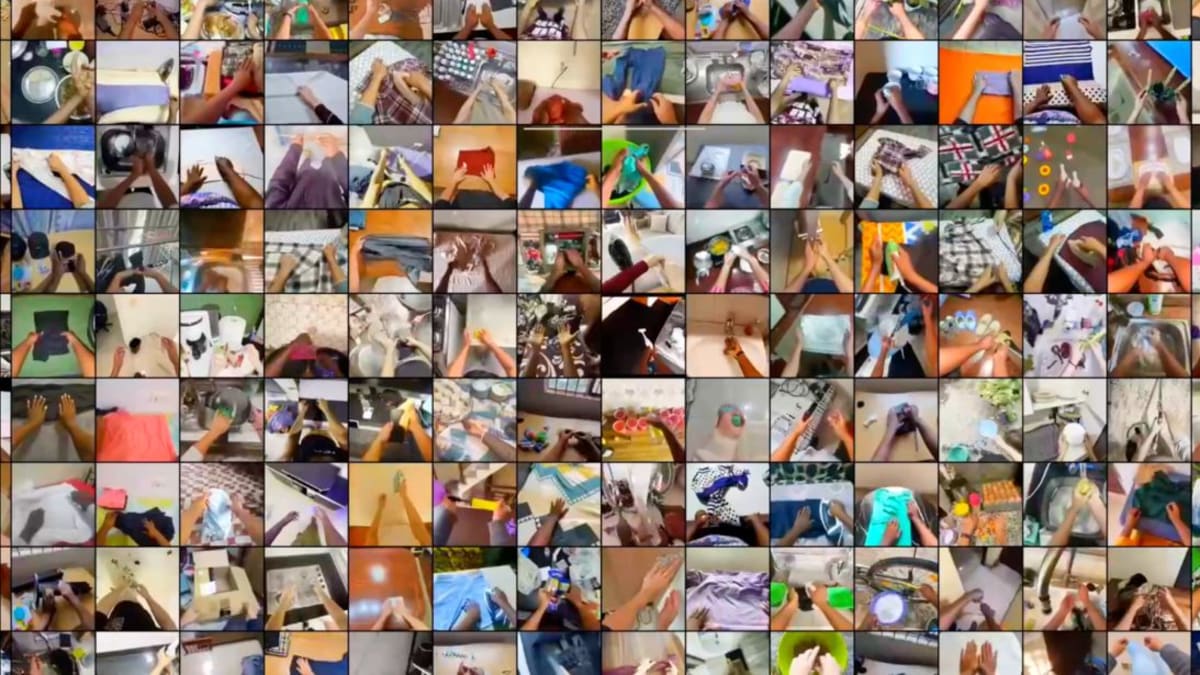
Companies are now hiring thousands of people across 71 countries to strap cameras to their heads and film themselves doing household chores. These videos become training data for humanoid robots learning to safely navigate homes, offices and shops.
The job is surprisingly simple. Workers receive headgear with a camera, filming instructions, and a list of everyday tasks. They alternate between cooking, cleaning, gardening and pet care, submitting at least 10 hours of video each week for anywhere between $5 and $20 per hour depending on their location.
Micro1, a California startup, now has 4,000 "robotics generalists" sending in more than 160,000 hours of footage monthly. But that's just scratching the surface of what's needed.
"You need probably billions of hours," said Arian Sadeghi, vice president of robotics data at Micro1. The company tells workers to film anything they'd want a robot to eventually do for them.
This approach is solving a major problem in robotics. Unlike ChatGPT, which learned from billions of words already on the internet, robots need specific first-person footage to understand physical movements, distances and how to handle objects. That kind of data didn't exist online.
The solution is cheaper than traditional robot training methods. Instead of expensive hardware or complex simulations, companies just need recording devices and human workers. Even a smartphone works.
The Ripple Effect
This new data collection industry is creating jobs worldwide while accelerating progress toward helpful home robots. Market research firms predict the field will grow 30 percent annually, reaching at least $10 billion by 2030.
Some companies are even paying premium rates for videos from specific regions. American kitchens look different from Indian kitchens, and broomsticks vary by country. This global diversity helps robots adapt to different environments and cultural contexts.
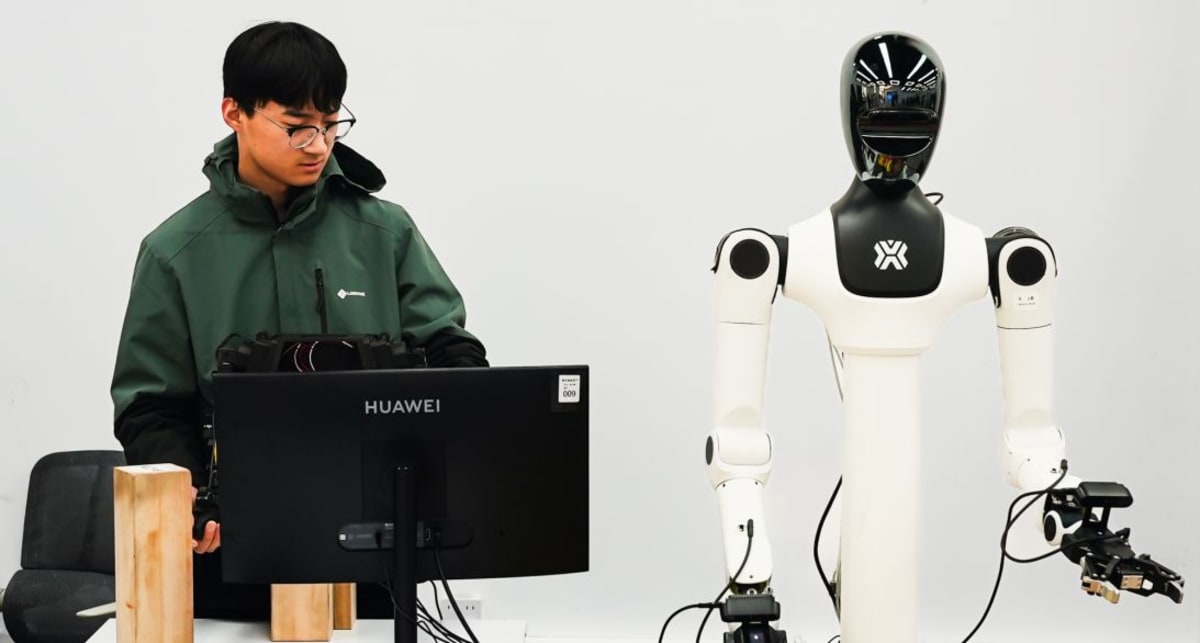
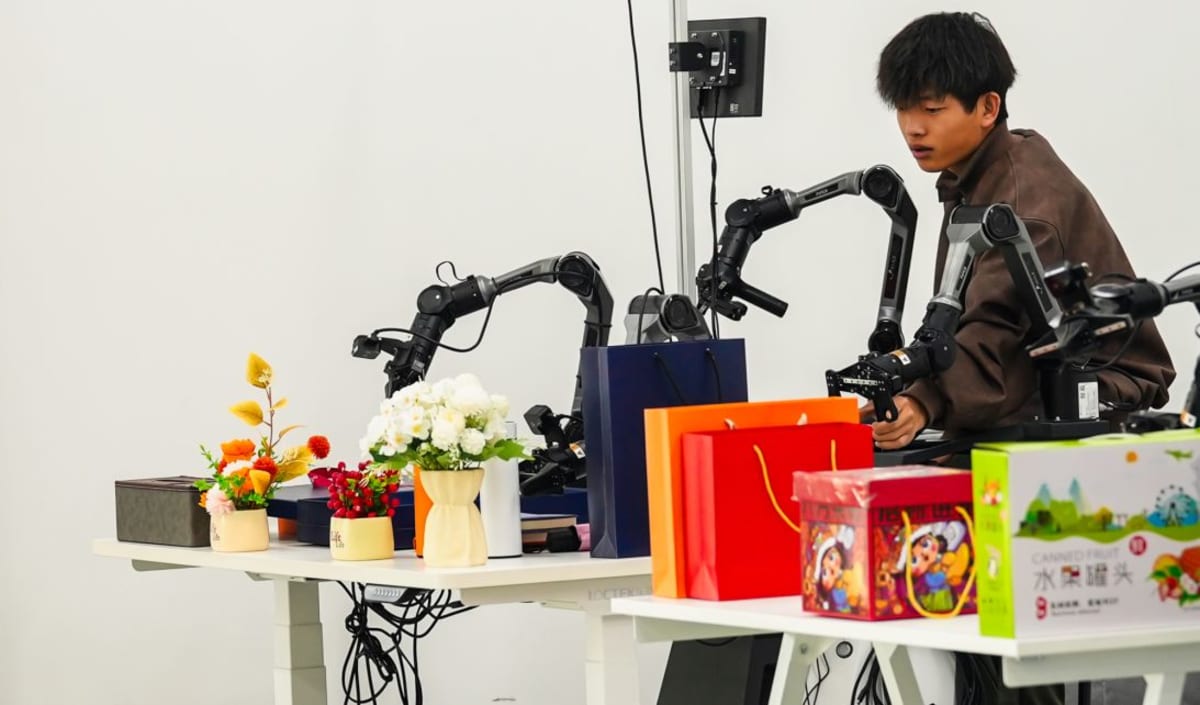
China has announced plans for at least 60 robot training centers, pouring state investment into the technology. By late last year, the robotics industry widely embraced human video data as the most practical path forward.
The humble act of filming your daily chores might just be the key to bringing helpful robot assistants into every home.
More Images
Based on reporting by Egypt Independent
This story was written by BrightWire based on verified news reports.
Spread the positivity!
Share this good news with someone who needs it