Peppermint Oil Drops Blood Pressure 8.5 Points in 20 Days
A simple peppermint oil supplement lowered blood pressure by 8.5 points in just three weeks, offering hope for millions seeking affordable alternatives to medication. The University of Lancashire study could transform how we approach one of the world's deadliest health conditions.
Millions of people struggling with high blood pressure may have a new weapon in their medicine cabinet, and it smells like a candy cane.
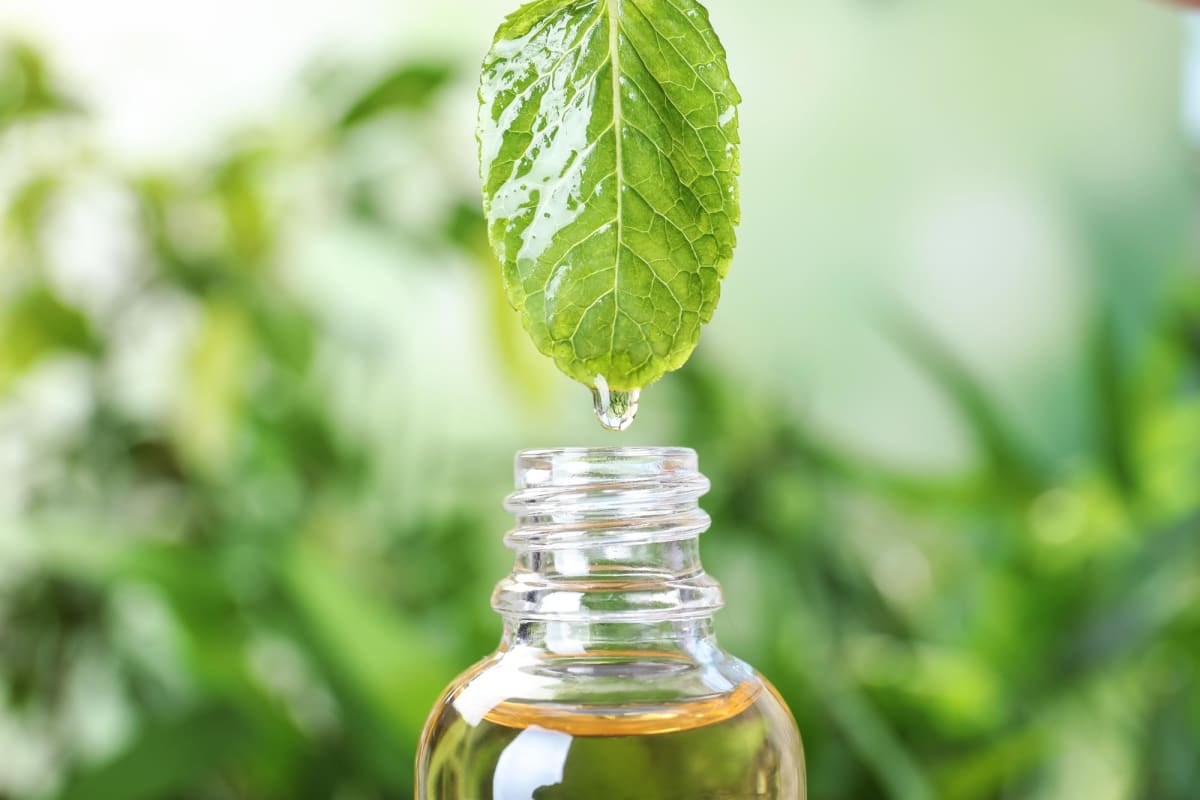
Researchers at the University of Lancashire discovered that taking just 100 microliters of peppermint oil twice daily for 20 days reduced systolic blood pressure by an average of 8.5 mmHg. That's comparable to some prescription medications, but without the side effects or high cost.
The study tracked 40 adults ages 18 to 65 with prehypertension or stage 1 hypertension. Half received peppermint oil supplements, while the other half got a peppermint-flavored placebo. Only those taking the real peppermint oil saw meaningful improvements in their blood pressure readings.
Lead researcher Dr. Jonnie Sinclair calls the findings "very positive" with significant clinical implications. High blood pressure stands as the single greatest risk factor for death worldwide, costing healthcare systems billions annually. Traditional medications work for many people, but their long-term effectiveness remains unclear, and side effects can discourage patients from sticking with treatment.
Peppermint oil contains natural compounds called menthol and flavonoids that appear to benefit cardiovascular health. The supplement is already widely available, inexpensive, and considered safe for most adults. During the study, researchers also monitored heart rate, mental wellbeing, sleep quality, and blood test results to check for any negative effects.
The Ripple Effect
This discovery could reshape how doctors approach blood pressure management globally. Peppermint oil costs pennies compared to prescription medications, making it accessible to communities with limited healthcare budgets. The simplicity of the treatment means patients in remote areas without regular doctor access could still benefit.
The potential impact extends beyond individual health. Reducing heart disease rates even slightly could save healthcare systems millions while improving quality of life for countless families who lose loved ones too soon to preventable conditions.
Dr. Sinclair emphasized that arterial hypertension is the most common preventable risk factor for cardiometabolic disease. Finding simple, affordable solutions matters especially in developing countries where medication costs can be prohibitive.
The study appears in the journal PLOS ONE, adding scientific credibility to what many traditional medicine practitioners have long suspected about peppermint's health benefits. More research will help determine optimal dosing and identify which patients benefit most.
For now, this three-week study offers something precious: a low-cost option that could help millions take control of their heart health without breaking the bank.
More Images
Based on reporting by Google News - Scientists Discover
This story was written by BrightWire based on verified news reports.
Spread the positivity!
Share this good news with someone who needs it