Persian Gulf Rivals Look to Southeast Asia for Peace Model
Former war enemies in the Persian Gulf are pursuing unprecedented peace talks, with the UAE and Iran in historic dialogue. Southeast Asia's transformation from Cold War battleground to stable region offers a hopeful blueprint for Middle Eastern reconciliation.
After decades of hostility and a devastating recent war, bitter rivals in the Persian Gulf are talking peace in ways that seemed impossible just months ago.
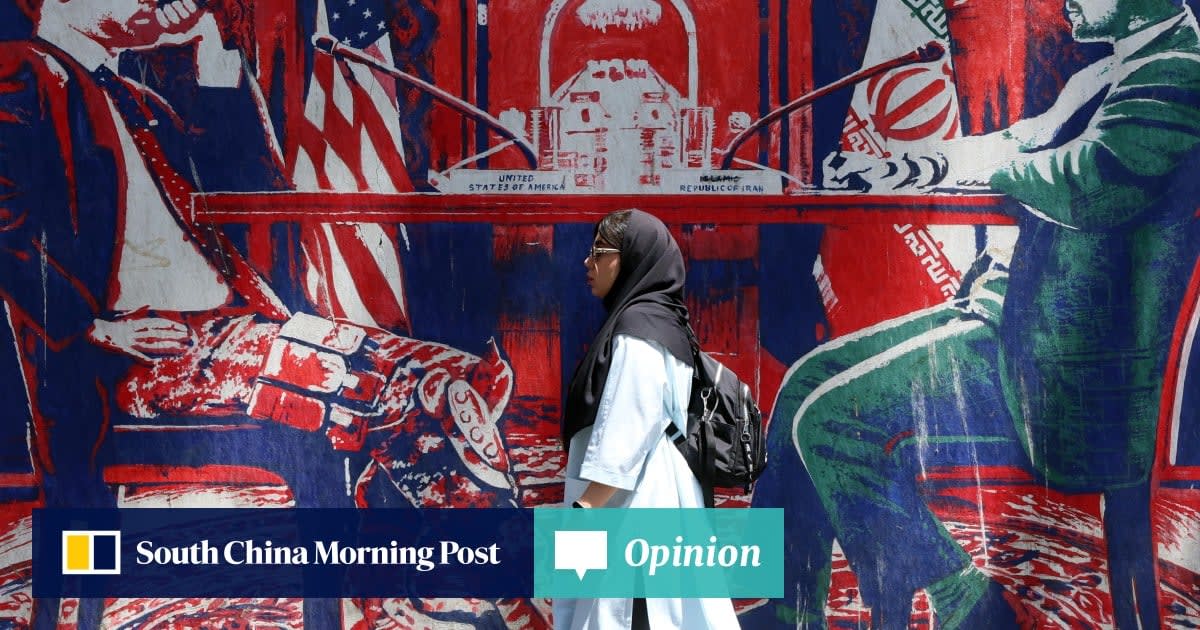
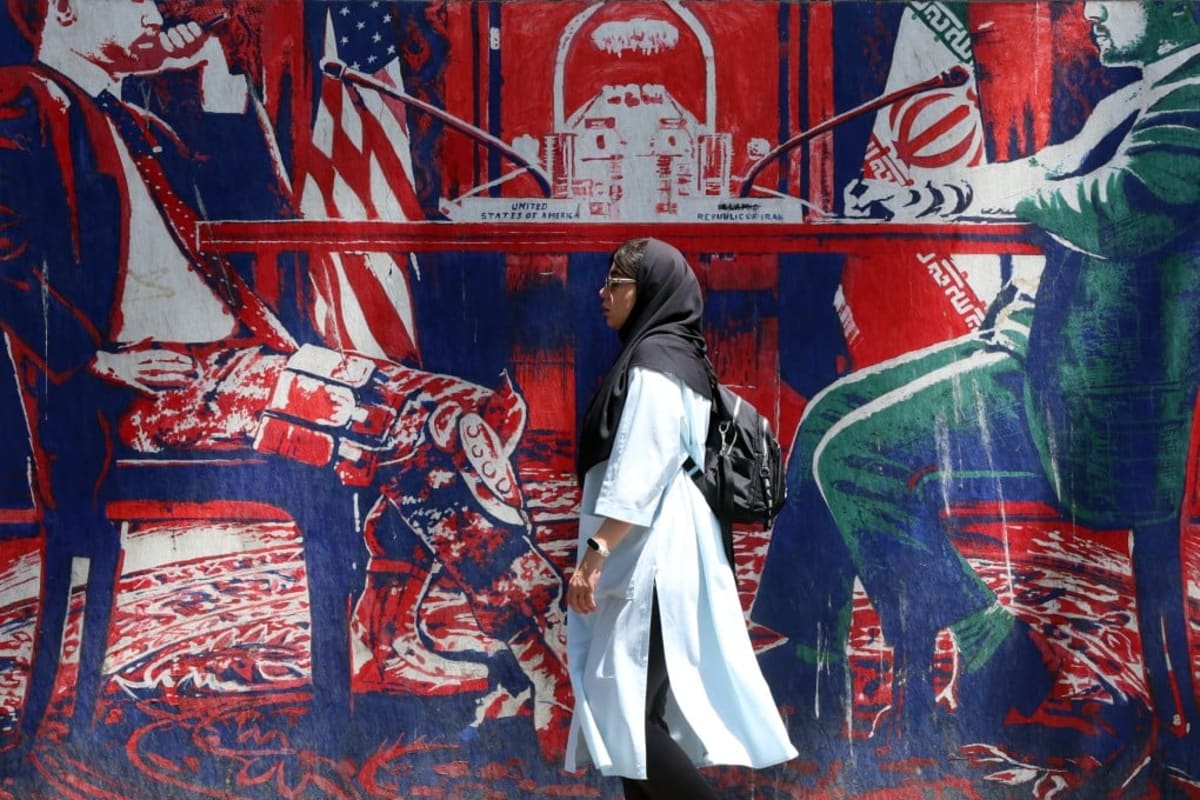
US Vice President J.D. Vance recently revealed that the UAE and Iran are having conversations that have never happened before. The UAE, traditionally the most hawkish anti-Iran voice in the Gulf Cooperation Council, is now engaging its longtime adversary in historic dialogue following Iran-US negotiations in Switzerland.
Pakistan and Qatar helped broker the official end of the Iran-US war. Now Oman and Qatar are pushing for a broader agreement on the Strait of Hormuz, while Saudi Arabia is reportedly organizing a reconciliation summit between Tehran and its neighbors.
The path forward faces serious obstacles, including opposition from hardliners in multiple governments. But there's reason for hope in an unexpected place: Southeast Asia.
The Association of Southeast Asian Nations, formed during the Cold War, proves that even the most conflict-ridden regions can transform into havens of prosperity and stability. Southeast Asia experienced brutal conflicts and deep divisions, yet managed to engage and eventually integrate former enemies like post-war Vietnam.
The Bright Side
Asean gets criticized as just a "talk shop" with no real power. But as Winston Churchill famously said, talking is always better than fighting. That simple philosophy has kept Southeast Asia free from major international wars for an entire generation.
The approach works through institutionalized dialogue that prevents conflicts from escalating. Southeast Asian nations learned to maintain balanced relations with rival superpowers like the US and China while protecting their own strategic independence.
Recent military strikes between Iran and the US show how fragile Middle Eastern peace remains. But that's exactly why the Southeast Asian model matters. The region didn't transform overnight. It took trauma, visionary leadership, commitment to shared prosperity, and most importantly, a willingness to keep talking even when trust seemed impossible.
Persian Gulf nations are now taking those first difficult steps toward dialogue after years of devastating conflict. If Southeast Asia could move from war-torn to prosperous, the Middle East can find its own path to lasting peace.
More Images

Based on reporting by South China Morning Post
This story was written by BrightWire based on verified news reports.
Spread the positivity!
Share this good news with someone who needs it