Peru: 1,000-Year-Old Sacred Road Discovered in Chicama Valley
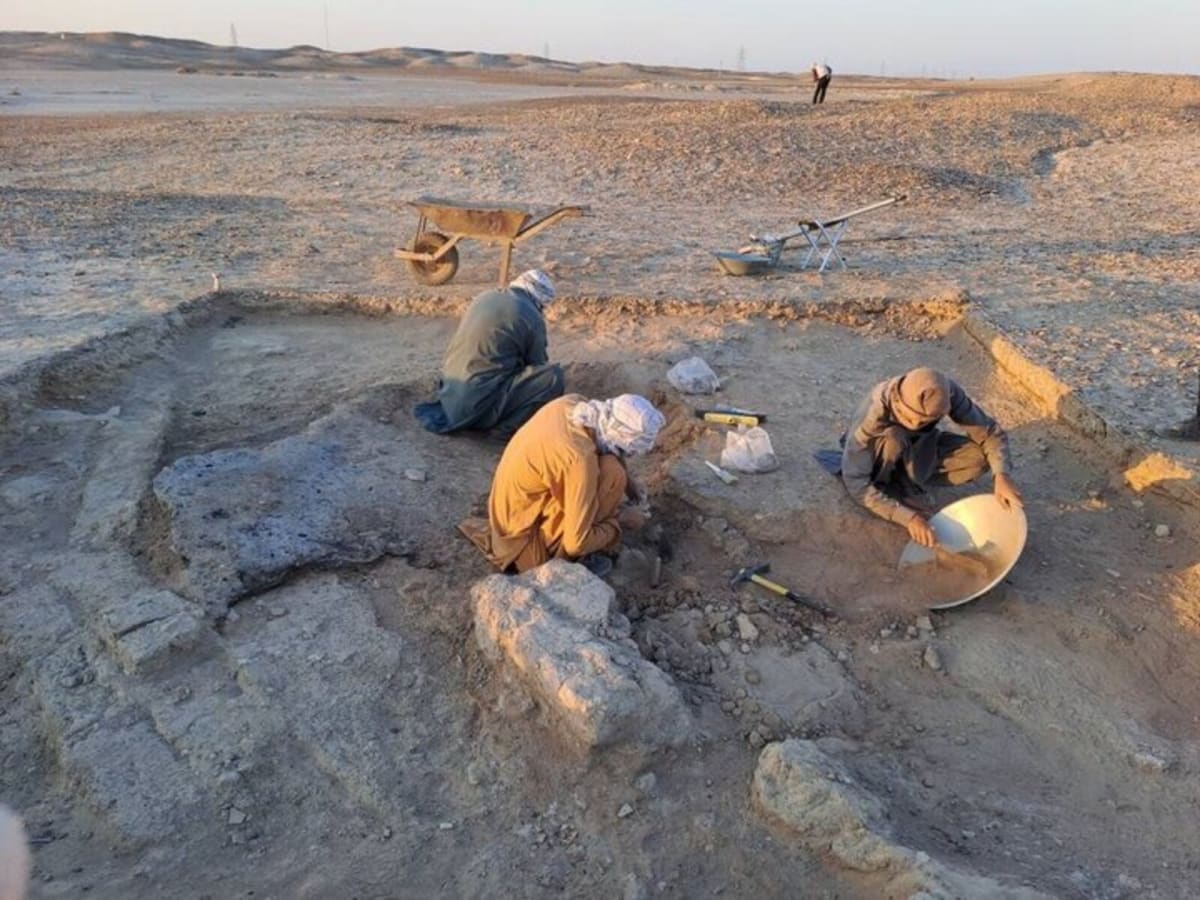
Archaeologists in Peru have uncovered a stunning 2-kilometer ceremonial road built by the ancient Chimú civilization, revealing how they wove farming, faith, and community into one sacred landscape. The discovery includes a massive temple platform and over 100 hectares of organized farmland dating back nearly 1,000 years.
Deep in Peru's Chicama Valley, archaeologists have discovered something extraordinary: a perfectly straight ceremonial road stretching two kilometers across the desert, connecting ancient settlements to sacred mountains and farmland in a single, coordinated design.
The Chicama Archaeological Program announced the find, which dates to between 1100 and 1470 AD during the height of the Chimú civilization. This wasn't just a road but a "camino ritual" constructed from carefully aligned stones that maintained a constant direction even as it crossed ravines and rough terrain.
The geoglyph connects the fortified settlement of Cerro Lescano to massive cultivation zones and continues toward Cerro Tres Cruces. According to archaeologist Henry Tantaleán, this is the clearest example yet of how the Chimú people physically linked their communities to the landscape through sacred pathways.
While Peru is famous for the mysterious Nazca Lines in the south, this discovery proves that northern coastal communities also created monumental designs to guide sacred movement. The Chimú may have viewed the connected mountains as "apus," or sacred peaks in Andean tradition, meaning the road wasn't merely practical but deeply spiritual.
Surrounding the ceremonial road, researchers documented at least 100 hectares of ancient farmland using drone mapping technology. The fields show diverse patterns, including serpentine and comb-like designs, all fed by canals branching from a major waterway called the Gran Canal de la Cumbre.
Stone farming tools like hoes were found during excavations, and soil samples are being analyzed to identify which crops sustained the community. Earlier studies suggest the Chimú likely grew maize, squash, and beans that fed both families and supported the wider state system before the Inca Empire absorbed them.
At the heart of it all stands a quadrangular stone platform measuring roughly 40 by 50 meters and rising up to three meters high. A massive rectangular plaza stretches in front, large enough to gather the entire community for ceremonies and celebrations.
Why This Inspires
What makes this discovery so moving is how it reveals an ancient culture's wisdom about integration. The Chimú didn't separate work from worship or community from nature. Instead, they designed their entire world so that growing food, honoring mountains, and gathering together happened as one unified experience. Their careful planning shows that thriving civilizations understood something we're still learning: everything connects.
In an age when we often feel disconnected from both our food sources and our sense of purpose, the Chimú remind us that humans have always known how to create meaningful, sustainable lives when we design our communities with intention.
Based on reporting by Google: archaeological discovery
This story was written by BrightWire based on verified news reports.
Spread the positivity!
Share this good news with someone who needs it
%2Fhttps%3A%2F%2Ftf-cmsv2-smithsonianmag-media.s3.amazonaws.com%2Ffiler_public%2Fd4%2F65%2Fd4658cbb-a59c-48fd-a30e-d0405f9c5a46%2Fgettyimages-2266112088.jpg)