Peruvian Women Transform Puma Hunters Into Protectors
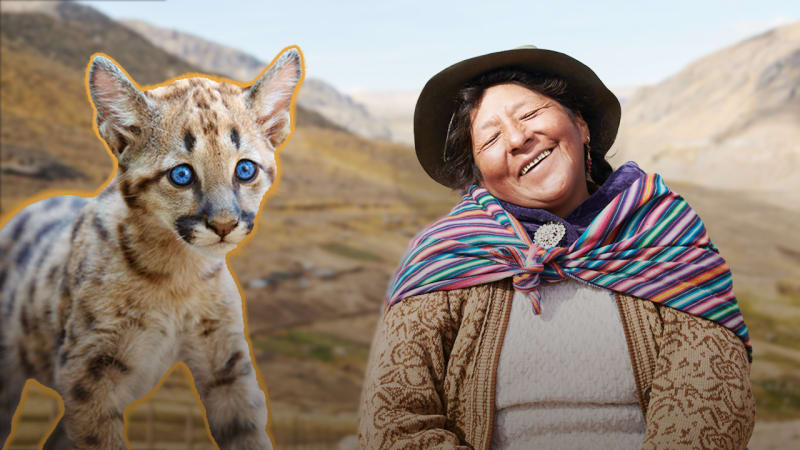
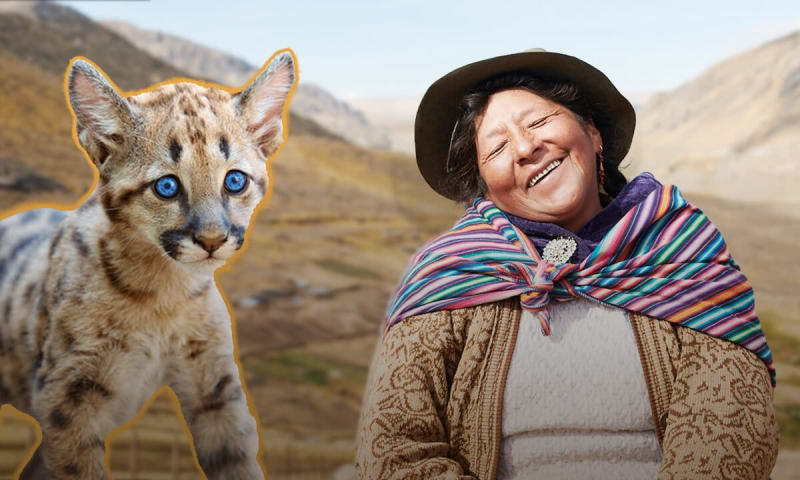
High in the Peruvian Andes, Quechua women who once feared pumas are now leading the effort to protect them. Their transformation is saving wildcats, forests, and their community's future.
Ida Isabel Auris Arango couldn't move when she locked eyes with the puma watching her alpaca herd. The wildcat hypnotized her, then dragged one of her animals away while she sat helpless, crying into the night.
For generations, this scene played out the same way across the Andean village of Ccarhuacc Licapa. Men organized hunts in response, hanging puma skins on walls as trophies. The cycle of fear and killing seemed unbreakable.
But biologist Merinia Mendoza saw a different path forward. In 2023, she launched a conservation initiative with an unexpected group of leaders: 30 Quechua women from the same communities that had hunted pumas for decades.
The women started with camera traps, learning to document the three wildcat species living in their mountains. When families gathered to watch footage of pumas, pampas cats, and the rare Andean cat prowling their forests, something shifted.
"They fall in love and say, 'Wow, I have to respect and take care of my home,'" Ida explains. The cats they'd seen only as enemies became neighbors worth protecting.
The association now guards 700 hectares of Polylepis forest, critical habitat that had been shrinking as villagers burned patches to scare pumas away. They planted cold-resistant grasses at lower elevations so herders no longer need to venture into puma territory with their livestock.
They built predator-proof shelters for alpacas and improved chicken coops to prevent conflicts. Since the project began, puma killings have stopped completely.
The Ripple Effect
The women didn't just change how they protect wildlife. They launched a textile cooperative, embroidering traditional designs featuring the wildcats they now safeguard.
Their art sells to support their families, giving them economic independence while celebrating their role as conservation leaders. The same hands that once tended alpacas now weave puma patterns into tablecloths and bags, teaching the craft to one another.
The work is restoring more than forests. It's reviving Quechua traditions and proving that women can lead environmental change in their communities. What started as a wildlife protection project has become a model for empowerment.
Ida's relationship with pumas has traveled a remarkable distance. "I would tell my children, 'We're friends now,'" she says. "We're compadres."
More Images

Based on reporting by Mongabay
This story was written by BrightWire based on verified news reports.
Spread the positivity!
Share this good news with someone who needs it