PhD Student Discovers Way to Reverse Aging in Human Eggs
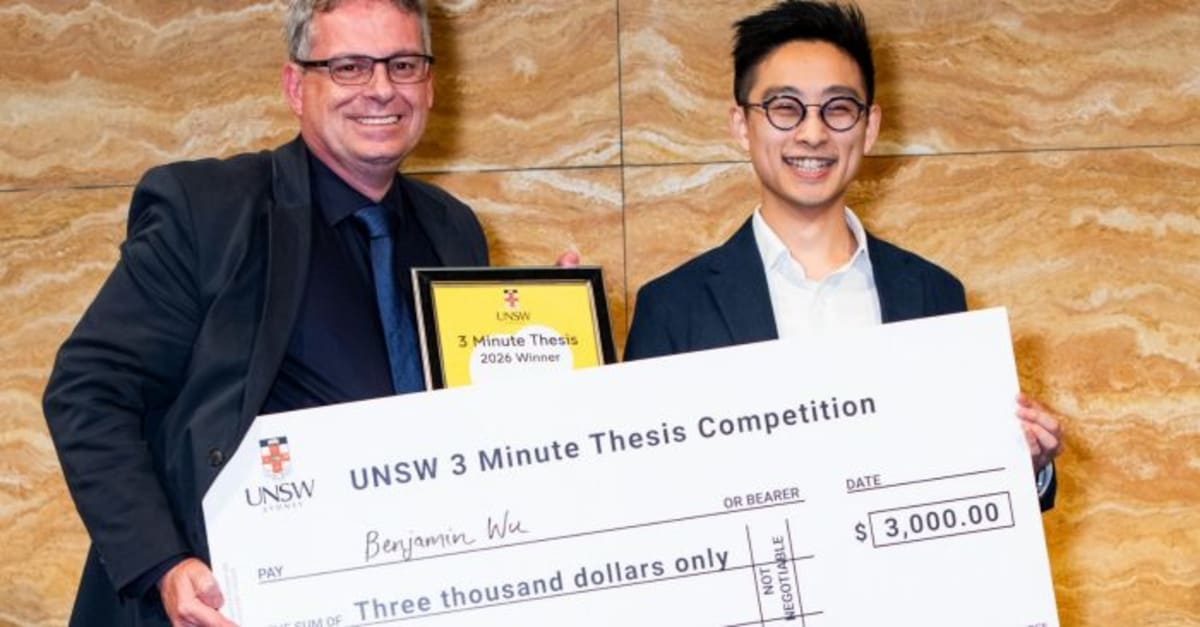
A researcher at UNSW has developed a groundbreaking technique that could restore fertility by reversing the aging process in human eggs. His work just won the university's top research communication prize and could transform IVF success rates for women over 35.
Benjamin Wu spent two years perfecting a delicate procedure that might give millions of women a new path to motherhood. The PhD candidate from UNSW's School of Biomedical Sciences won the university's 3 Minute Thesis competition this week by explaining how young donor cells can rejuvenate aging eggs.
The discovery tackles a frustrating reality: fertility doctors consider women over 35 to be of "advanced maternal age," even though that's often when careers and finances finally stabilize. More couples are waiting longer to start families, driving massive demand for IVF, but the technology hits a wall when egg quality declines with age.
Wu's technique works by replacing the aging support cells that normally surround and nourish human eggs. These nursing cells feed nutrients to the egg, helping it become the largest cell in the human body, but they age right alongside it.
His breakthrough was figuring out how to suspend the egg in time while transplanting young support cells from donors. For the first time, he's shown that despite the age gap, these cells from different generations can communicate and work together.
The research builds on a simple but powerful idea: if young cells can talk to aging eggs, they might be able to reverse the clock. Wu developed his procedure over two years of painstaking work in UNSW's Laboratory for Ageing Research under Associate Professor Lindsay Wu.
The Ripple Effect
The potential impact extends far beyond the lab. IVF success rates drop dramatically as women age, leaving many families heartbroken after expensive, emotionally draining treatments that don't work.
If Wu's technique translates to clinical practice, it could fundamentally change those outcomes. Women who delayed childbearing for education, career advancement, or financial stability would have better chances of biological parenthood.
The win earned Wu $3,000 and spots in both the 3MT Asia-Pacific competition and the Universitas 21 finals. But he's focused on the bigger picture: changing reproductive medicine for good.
Wu's journey shows how persistence pays off. He started in optometry in Adelaide, practiced in the field, then followed his passion into research. He completed his honors year at UNSW before diving into his PhD on aging.
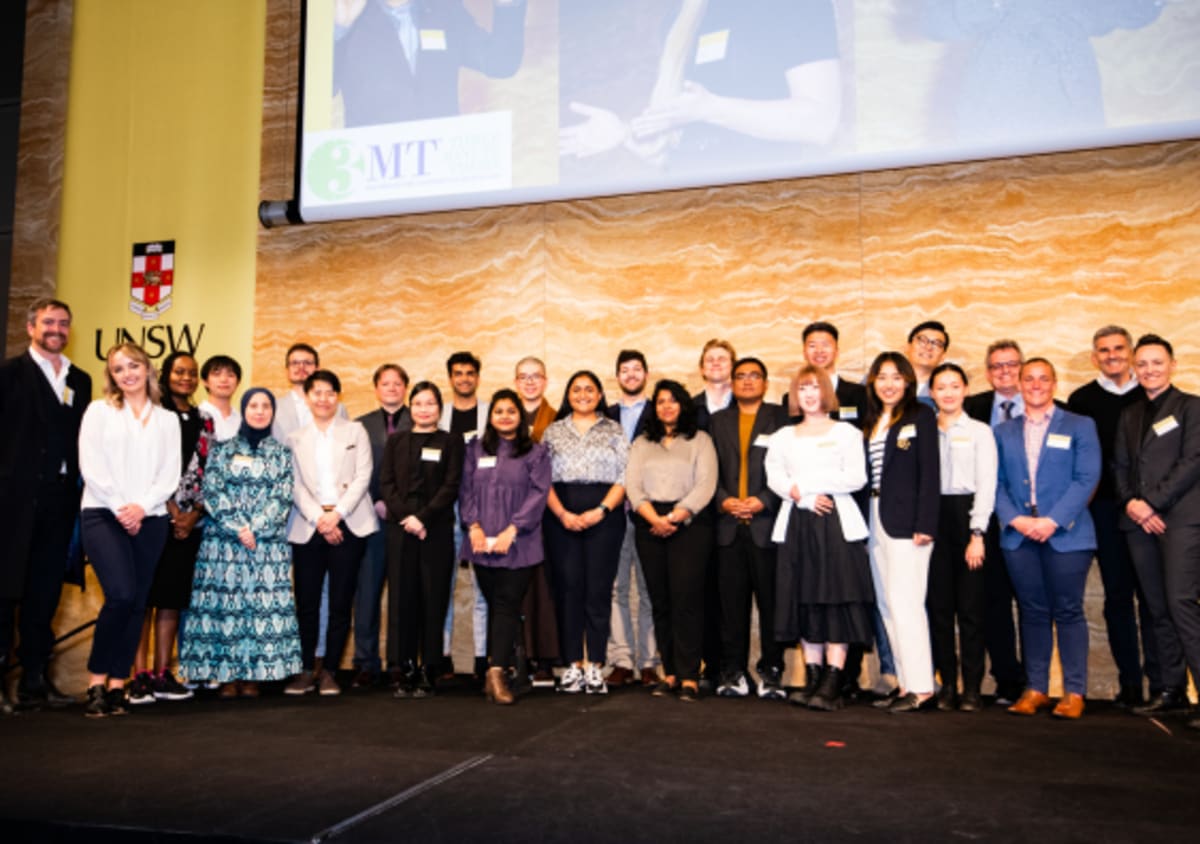
Twenty PhD candidates presented research ranging from teaching robots to feel touch to using yeast to prepare humans for space travel. The Faculty of Medicine and Health swept the top three spots, with presentations on treating rare diseases and advancing space exploration through cellular biology.
Women around the world are building lives and careers before starting families, and science is finally catching up to support those choices.
More Images
Based on reporting by Google News - School Innovation
This story was written by BrightWire based on verified news reports.
Spread the positivity!
Share this good news with someone who needs it