Philippine Island Becomes Asia's Organic Farming Capital
A Philippine entrepreneur turned 20,000 hectares into organic farmland, creating a sustainable food hub that's now leading Asia's agroecology movement. His journey started with composting waste and grew into a regional model for climate-resilient farming.
📺 Watch the full story above
When oil prices spiked in 2006, most farmers panicked as their fertilizer costs skyrocketed overnight. Ramon "Chin-Chin" Uy Jr. didn't feel a thing because he'd already switched to organic farming.
That moment convinced Uy he was onto something bigger than his small composting business. He'd started converting organic waste into fertilizer just a year earlier, and suddenly his approach looked like the future of farming.
Today, Negros Island in the Philippines has earned recognition as the country's Organic Capital and Asia Pacific's center for sustainable food systems. The island now hosts nearly 50,000 acres of organic farmland supporting 20,000 farming families.
Uy's vision was simple but radical. He wanted to help farmers escape dependence on expensive chemical fertilizers that hurt both the environment and their wallets. He started an organic farm in 2006 to prove it could work, then built direct connections between farmers, chefs and consumers to cut out middlemen who squeezed farm profits.
The approach caught on because it solved real problems. Farmers saved money on inputs, earned more from their crops, and built resilience against global oil price shocks. Local communities gained access to healthy, affordable food grown without chemicals.
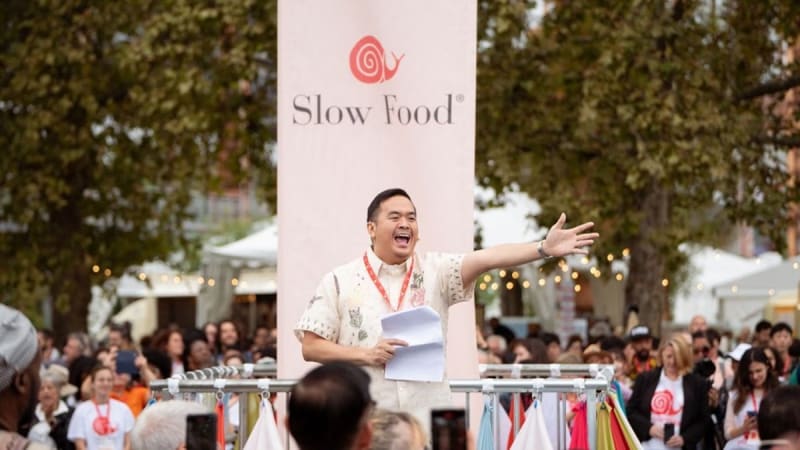
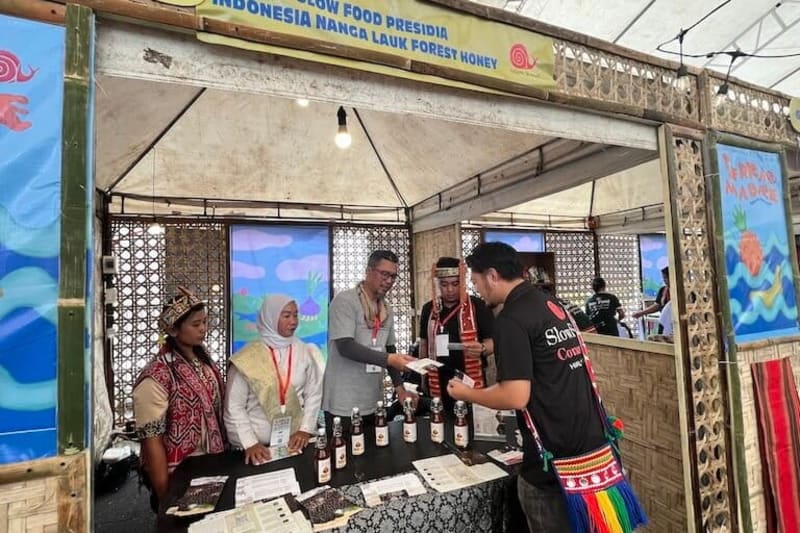
Last November, Negros hosted Slow Food's first Asia Pacific regional conference, bringing together farmers, chefs, food artisans and policymakers from across the region. The gathering in Bacolod City marked the island's emergence as a platform for spreading sustainable farming practices throughout Southeast Asia and the Pacific.
The Ripple Effect
Uy's work extends far beyond Negros. As a Slow Food councilor for Southeast Asia and board member of the International Federation of Organic Agriculture Movements, he's helping other regions adopt similar models.
The organic farming network he helped build now demonstrates how communities can create climate-resilient food systems without expensive imported chemicals. Other islands and regions are studying Negros as a blueprint for sustainable agriculture that protects both farmers and the environment.
The model proves that organic farming isn't just an environmental choice. It's an economic strategy that empowers farmers, strengthens local food security, and builds resilience against global market shocks.
What started as a newlywed couple's composting business has grown into a regional movement showing Asia a path toward sustainable, locally controlled food systems.
More Images



Based on reporting by Mongabay
This story was written by BrightWire based on verified news reports.
Spread the positivity!
Share this good news with someone who needs it