Philippines Airport Cuts Carbon While Traffic Soars 15%
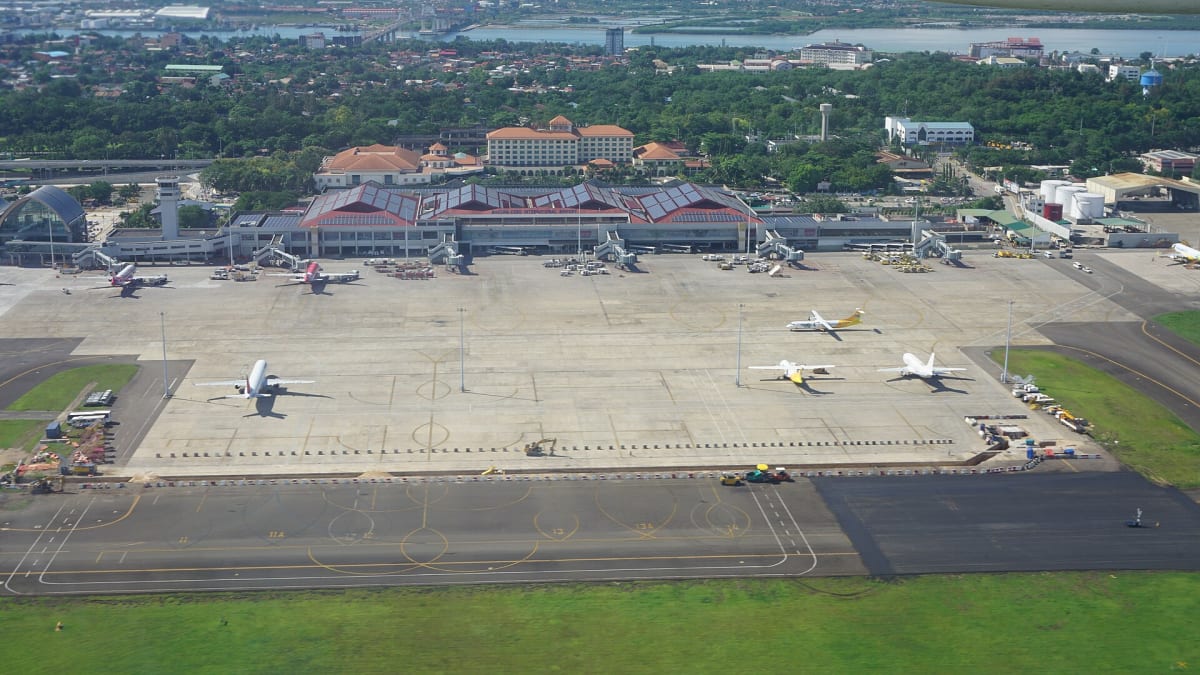
Mactan-Cebu International Airport became the first Philippine airport to prove it's actually cutting emissions, even as passenger traffic jumped 15 percent. Six smart upgrades turned growth into progress.
An airport just proved something most people think is impossible: handling more passengers while producing less carbon.
Mactan-Cebu International Airport in the Philippines earned a certification that required more than promises. It required proof, checked by independent auditors, that carbon emissions actually went down compared to a three-year average.
The timing makes it remarkable. The airport handled 11.6 million passengers in 2025, then grew another 15 percent in early 2026, setting a record with 1.3 million passengers in January alone.
Most airports see emissions climb with traffic. Mactan-Cebu broke that pattern with six targeted upgrades, each attacking a different pollution source.
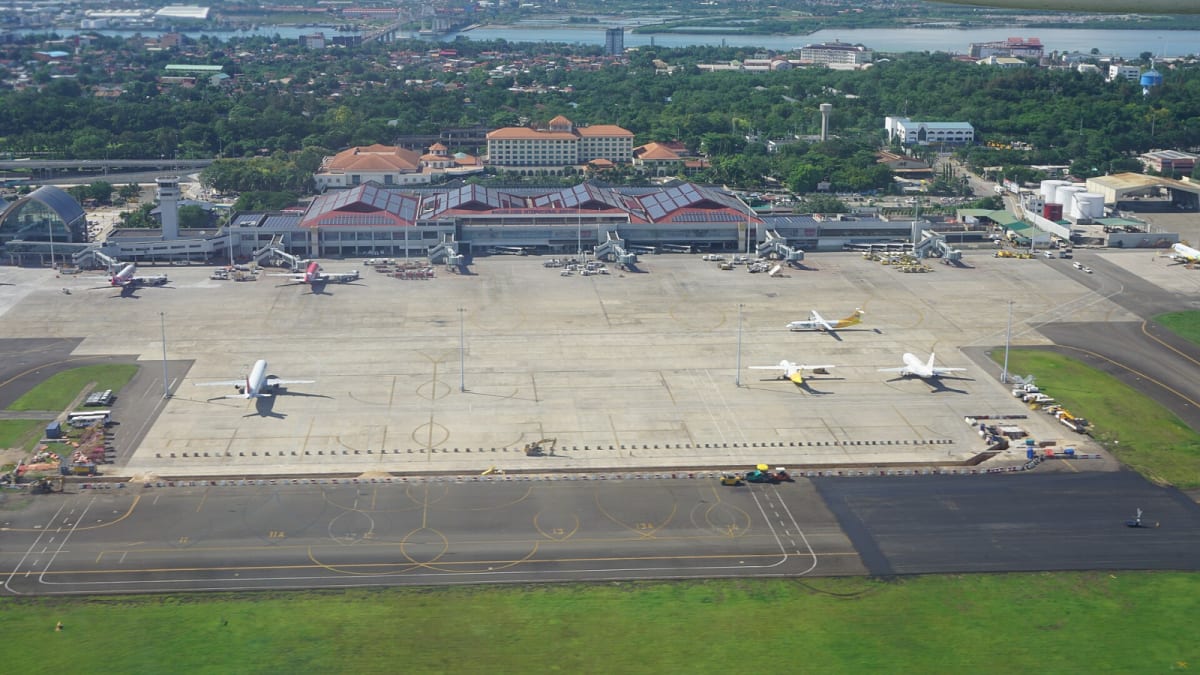
Rooftop solar panels now generate up to 2,400 megawatt-hours yearly, cutting the need to buy electricity from fossil fuel sources. Smart sensors throughout the terminal adjust air conditioning based on actual occupancy instead of running full blast all day, slashing energy waste in Cebu's tropical heat.
LED lights replaced older fixtures across the entire facility. Electric vehicles took over ground operations, eliminating diesel fumes from baggage tugs and passenger shuttles.
The airport also installed fixed electrical ground power at gates, so planes can shut off their auxiliary power units while parked. Those onboard generators burn jet fuel even when aircraft sit still.
The Ripple Effect
The certification came from Airports Council International, which uses 117 independent auditors across 36 countries to verify claims against international greenhouse gas accounting standards. Out of more than 560 airports in the program globally, Mactan-Cebu became the only one in the Philippines to reach Level 2, the tier that requires documented emission reductions, not just measurement.
The distinction matters because Level 1 asks airports to count their carbon footprint. Level 2 demands they shrink it and prove the results with a certified third party watching.
Airport operations account for about 5 percent of aviation's total carbon output. Aircraft burning fuel at cruising altitude produces the rest, and airport operators can't control that.
But they can control what happens on the ground, using technology available right now. Electric tugs, solar panels, smart thermostats, these aren't experimental. They work today, often paying for themselves through energy savings.
Mactan-Cebu set a goal to cut emission intensity 90 percent by 2029. If it hits that target, it would become the first Philippine airport aligned with the Paris Agreement's climate pathway.
The real news isn't just one airport getting cleaner—it's proof that growth and climate progress can move in the same direction when someone actually measures the results.
More Images



Based on reporting by Google News - Emissions Reduction
This story was written by BrightWire based on verified news reports.
Spread the positivity!
Share this good news with someone who needs it