Philippines Brings German to 21 Public High Schools
Over 15 years, the Philippines has quietly transformed its public education system by teaching German in secondary schools. What started as an intimidating challenge for teachers has become a pathway to global opportunity for thousands of students.
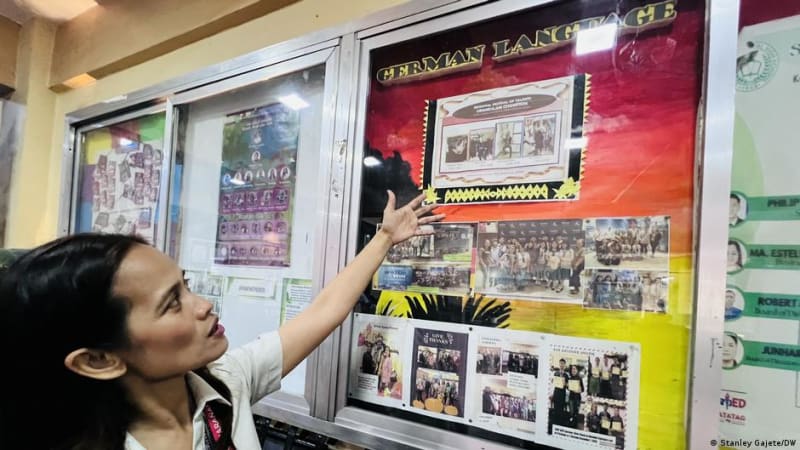
When English teacher Marites Lacson first saw the memo about teaching German, she was so intimidated she tried to pass the opportunity to someone else. Now, after 14 years in the program, she calls it one of the best investments of her career.
The Philippines Department of Education partnered with Germany's Goethe-Institut in 2009 to bring foreign language options to public schools. By 2011, they had trained 600 teachers in an intensive program to introduce German to students who might never afford private language classes.
Today, 21 public high schools across the Philippines offer German language courses. The program reaches far beyond what anyone expected from that pilot project over a decade ago.
Lacson remembers the challenge well. German grammar felt technical and unforgiving compared to English. But those same strict rules, she discovered, taught students to think systematically and carefully about language structure.
The partnership works because it's practical. The Goethe-Institut trains teachers through intensive courses, then continues supporting them with regular meetings. Some groups meet three to five times weekly, while others gather on weekends to fit teachers' busy schedules.
The program focuses on preparing students for a globalized workplace. Learning German doesn't just add a skill to their resume. It opens doors to universities, jobs, and opportunities in German-speaking countries that might otherwise stay closed.
The Ripple Effect
The success in high schools sparked wider change. The Goethe-Institut now partners with top Philippine universities including the University of the Philippines and Ateneo de Manila University. They also run pre-integration courses for Filipinos preparing to work in Germany, coordinating with the Department of Migrant Workers.
About 2,200 students enroll in various German courses each year. The institute administers roughly 6,000 exams annually, with half taken online to increase accessibility.
Jens Rösler, who heads the language department, emphasizes the educational cooperation model. The Goethe-Institut strengthens teachers' German skills while updating their teaching methods and knowledge about contemporary Germany.
For students in Philippine public schools, German class offers something rare: a challenging subject that directly connects to real opportunities abroad. The language that once intimidated their teachers now represents possibility.
What started with one nervous English teacher and a daunting memo has become a 15-year success story proving that ambitious education partnerships can reach students who need them most.
More Images
Based on reporting by DW News
This story was written by BrightWire based on verified news reports.
Spread the positivity!
Share this good news with someone who needs it