Philippines Builds 40-Year Forest Plan to Save Watersheds
The Philippines is launching a 40-year forest restoration program funded by private companies, using satellites and carbon credits to ensure trees actually survive. After decades of failed government programs where saplings died once funding ended, the country is betting long-term corporate investment can finally protect its watersheds.
📺 Watch the full story above
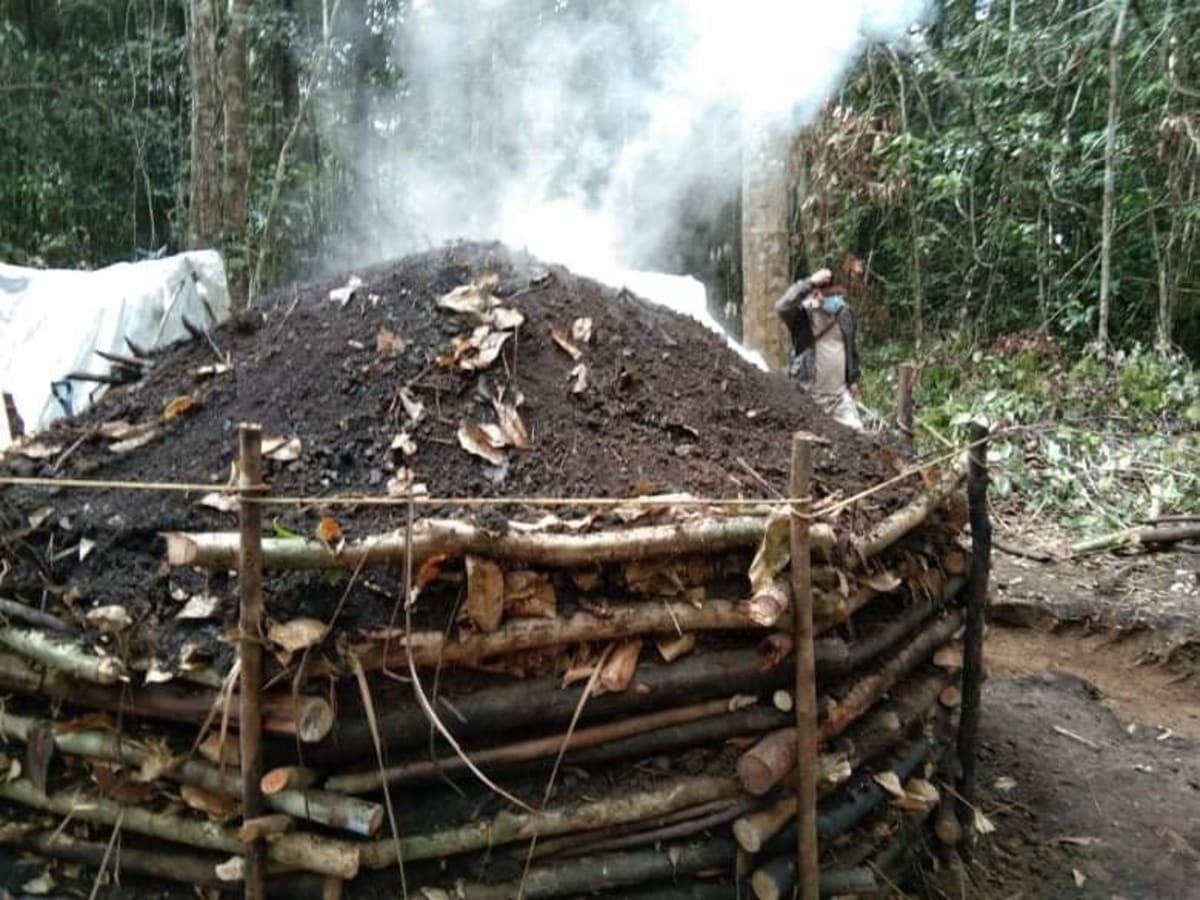
For decades, the Philippines planted millions of trees with government money, watched them grow for three years, then watched them die or get cut down for charcoal once funding dried up.
Now the country is trying something different. The Department of Environment and Natural Resources is building a system to let private companies pay for forest restoration in exchange for carbon credits that can be traded across Southeast Asia.
The shift fixes a critical flaw in how the Philippines protected its forests. Programs like the National Greening Program planted saplings on political timelines, with maintenance contracts ending after three years. Without long-term monitoring, many trees vanished from hillsides that desperately needed roots to prevent flooding.
Ray Thomas Kabigting from the DENR Forest Management Bureau told corporate executives and carbon traders that his agency is ready to talk business. The government plans to write rules that work for investors, not just textbook forestry science.
The new national carbon registry will track which forests exist, which lands are available, and which credits have been sold to prevent companies from selling the same tree twice. Satellites will monitor whether protected forests actually survive, backing up ground surveys with hard data.
Aboitiz Equity Ventures is backing the effort and has already committed to a 40-year project in Cebu. The company plans to restore 71,000 hectares of degraded watershed using community nurseries, drone surveys, and satellite tracking.
The business case matters because global carbon markets have been hammered by scandals. Projects that inflated their impact or ignored indigenous land rights have made buyers skeptical.
Ginggay Hontiveros-Malvar from Aboitiz warned that cutting corners will kill projects before they start. Carbon credits need to show real climate benefits, and the local communities planting trees need to see actual income from the work.
Philippine law already requires companies to get explicit consent from indigenous tribes before starting projects on ancestral lands. That protection stays in place under the new system.
The Ripple Effect
The Philippines is joining a regional push to create common carbon trading rules across Southeast Asia. Singapore, Malaysia, Indonesia, and Thailand are building shared digital infrastructure to link their markets and sell credits to global buyers under the Paris Agreement.
Anshari Rahman from GenZero argued that Southeast Asian projects should not compete on price alone. By pairing carbon removal with measurable benefits for rural villages, the region can charge premium prices to buyers looking for defensible environmental claims.
Masayuki Kurihara from Japanese satellite company Archeda said the Philippines has an advantage in field costs and homegrown forestry expertise. But the country lags behind neighbors in setting up the digital platforms needed to automate verification for international buyers.
The Cebu watershed project will test whether the new system actually works. If the government can verify tree counts and plug into regional trading platforms, corporate money could finally flow into long-term forest protection instead of three-year political cycles.
More Images

Based on reporting by CleanTechnica
This story was written by BrightWire based on verified news reports.
Spread the positivity!
Share this good news with someone who needs it