Philippines Builds Disaster-Ready Schools After Typhoon
The Philippines is transforming how schools handle disasters, ensuring 81 damaged classrooms get repaired while students keep learning safely. After Typhoon Inday and volcanic activity, the country's new emergency education system is helping thousands of kids stay in school no matter what nature throws their way.
When disaster strikes, Filipino students no longer have to choose between their safety and their education.
The Department of Education is rolling out a comprehensive recovery plan for 81 classrooms damaged across six regions by Typhoon Inday, monsoon rains, and Kanlaon Volcano's activity. More importantly, they're building a system that keeps kids learning even when nature disrupts normal life.
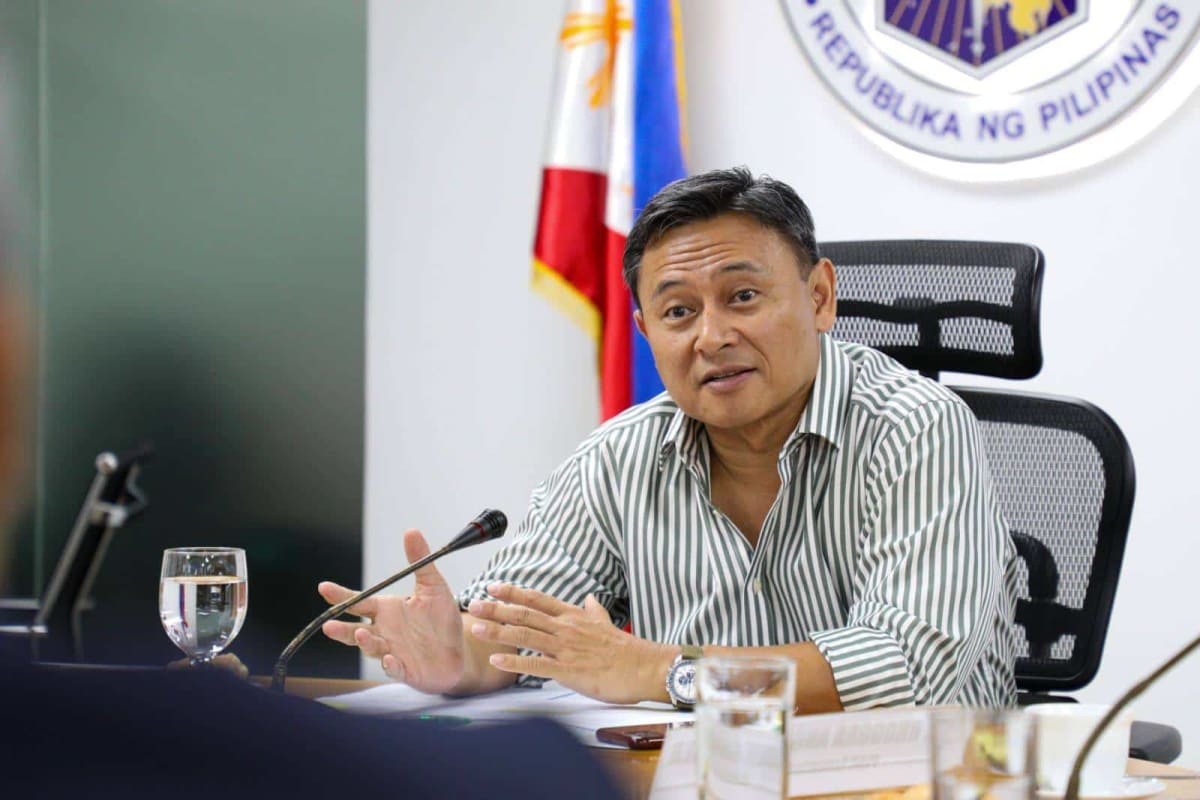
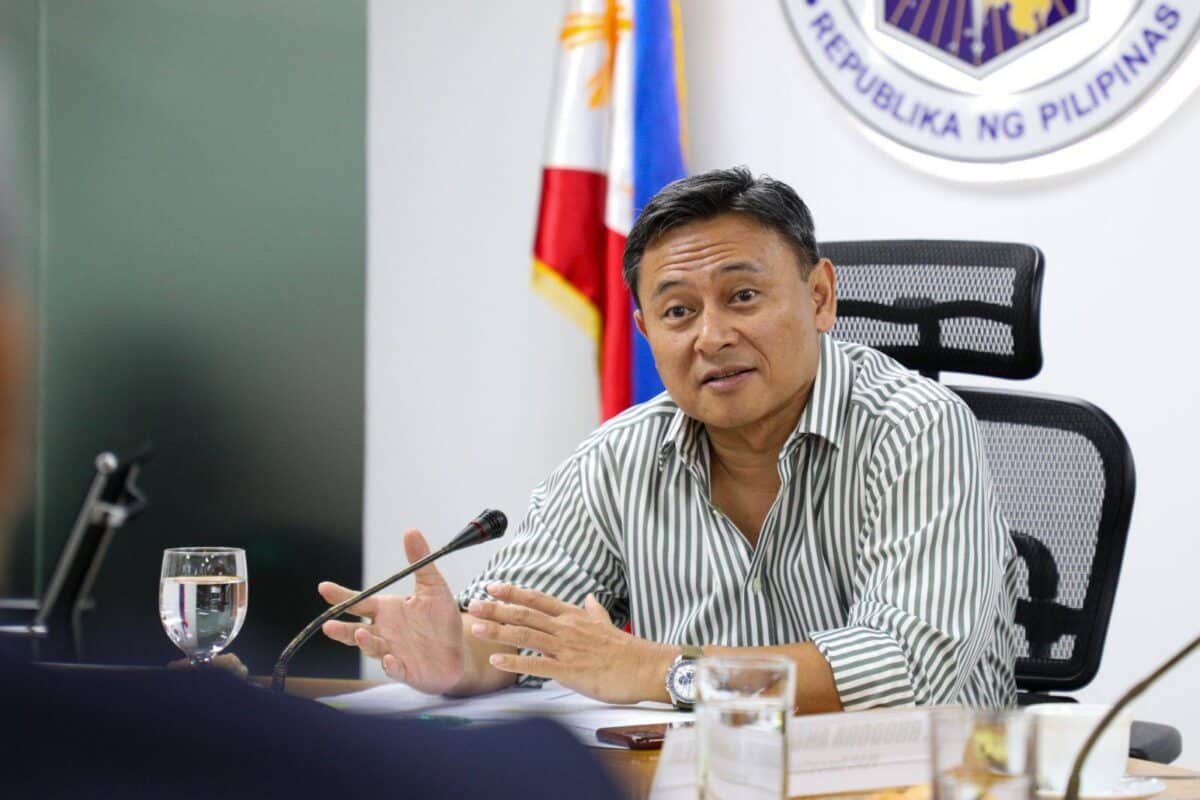
Education Secretary Sonny Angara announced the shift from emergency response to early recovery operations. Teams are now conducting rapid damage assessments, organizing cleanup efforts, and preparing safety interventions before the next disaster hits.
The numbers tell a hopeful story. Of the 81 damaged classrooms identified on July 10, 43 sustained minor damage, 20 had major damage, and 18 were totally destroyed. Engineering teams are validating each assessment to ensure proper repairs.
At the height of the typhoon and monsoon, schools in 11 regions switched to Flexible Learning Options. This allowed education to continue safely while communities dealt with the immediate crisis.
Schools near Kanlaon Volcano remain on heightened alert as the Philippine Institute of Volcanology monitors continued volcanic unrest under Alert Level 2. But this time, schools are prepared with updated contingency plans and prepositioned emergency supplies.
The Ripple Effect
The new Education in Emergencies Policy goes beyond reacting to disasters. Schools Division Offices continuously assess conditions, coordinate with local disaster councils, and identify which schools can serve as evacuation centers while maintaining alternative learning arrangements.
This whole-of-system approach includes psychosocial support for traumatized students, learning resource mobilization, and coordinated responses across all government levels. The Department of Education now works closely with the Office of Civil Defense, local governments, and scientific agencies to make timely decisions.
The policy ensures every school has plans to protect learners while keeping education accessible before, during, and after emergencies. Students receive the support they need regardless of the challenges their communities face.
"The lessons from every emergency strengthen our resolve to build a more resilient education system," Angara said. His team is proving that Filipino children can count on continuity, safety, and hope even in the hardest times.
Filipino students are learning that disasters don't have to mean the end of their school year, just a different way to keep moving forward.
More Images

Based on reporting by Google News - Recovery Story
This story was written by BrightWire based on verified news reports.
Spread the positivity!
Share this good news with someone who needs it