Philippines' 'Cockroach Lord' Discovers 15 New Species
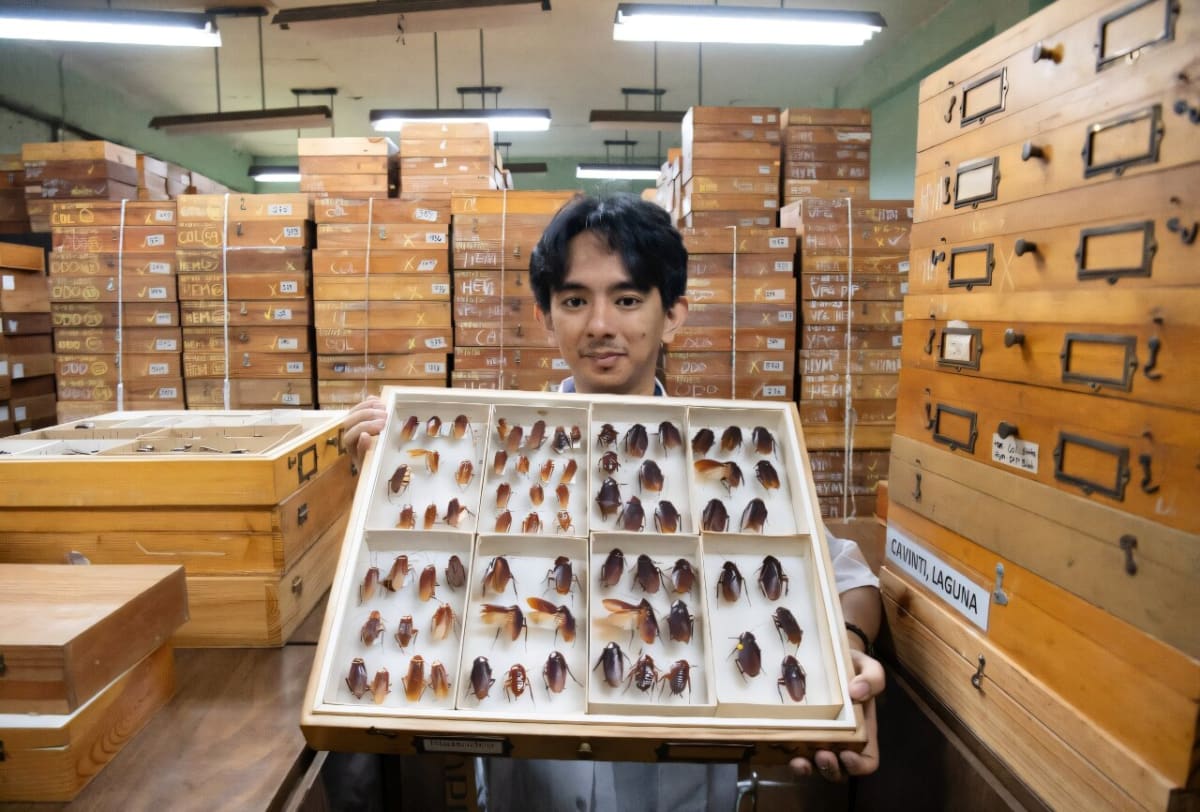
A 31-year-old scientist in the Philippines is changing how we see cockroaches, one discovery at a time. Cristian Lucanas has found 15 new species and believes hundreds more are waiting to be documented in his country's rainforests.
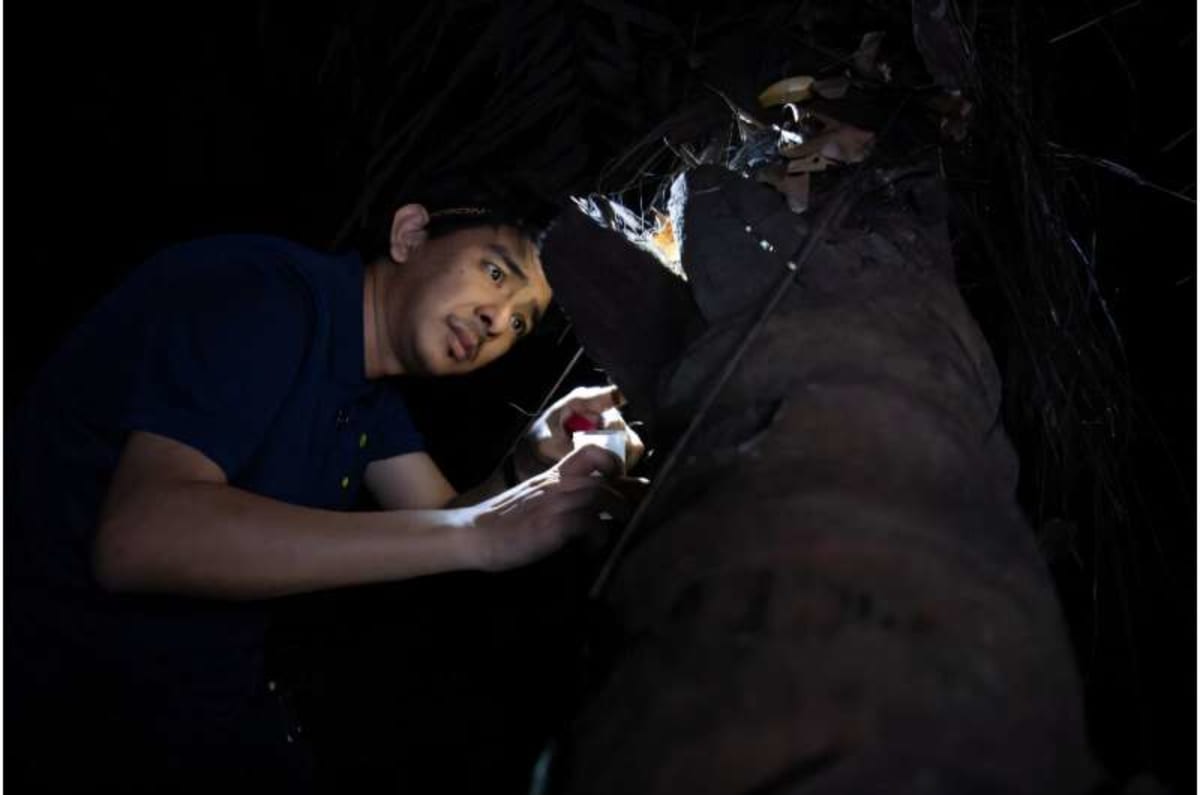
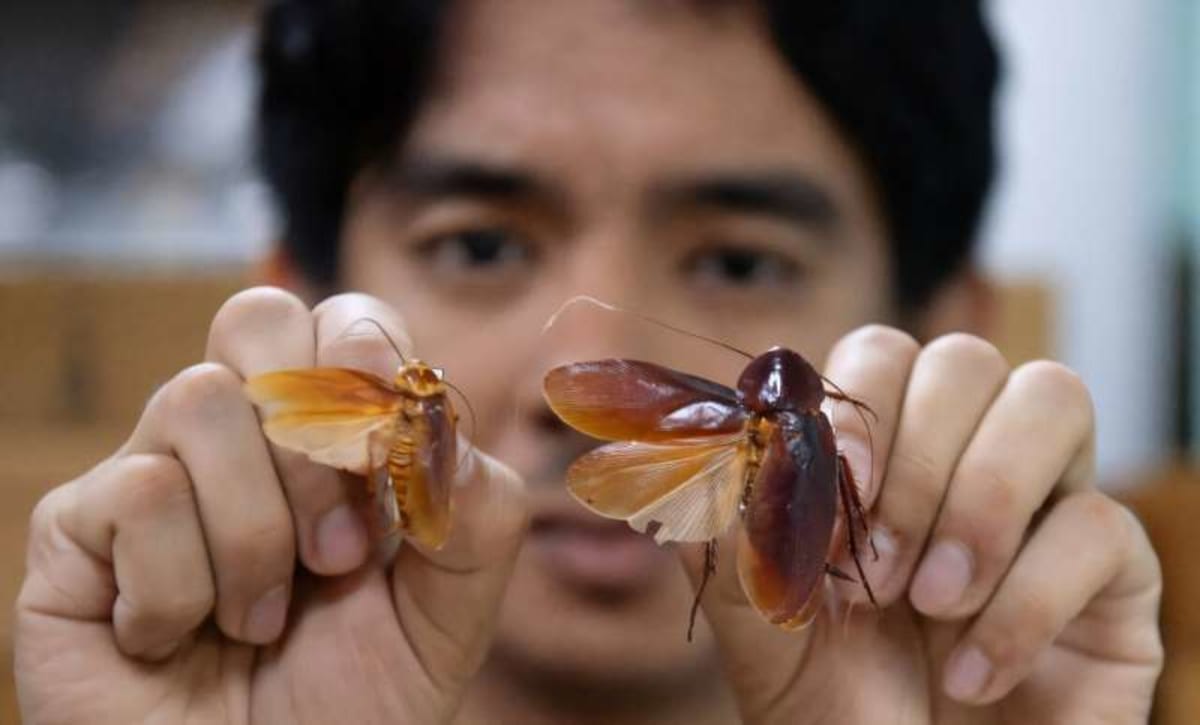
While most people reach for bug spray when they spot a cockroach, Cristian Lucanas gently scoops them up with his bare hands in the darkness of Philippine rainforests. The soft-spoken entomologist has earned the nickname "Ipis Lord" (Cockroach Lord) as his country's only expert on these misunderstood insects.
Lucanas admits he once hated cockroaches too. "Fear of cockroaches is innate," the 31-year-old researcher says, often telling strangers he simply "works in a museum" to avoid awkward conversations. His girlfriend, also an entomologist, understands his passion even if her work focuses on less reviled bugs.
His obsession started 12 years ago during a field trip to a remote bat cave, its floor crawling with cockroaches feasting on guano. When his biology professor couldn't identify the species, Lucanas found his calling.
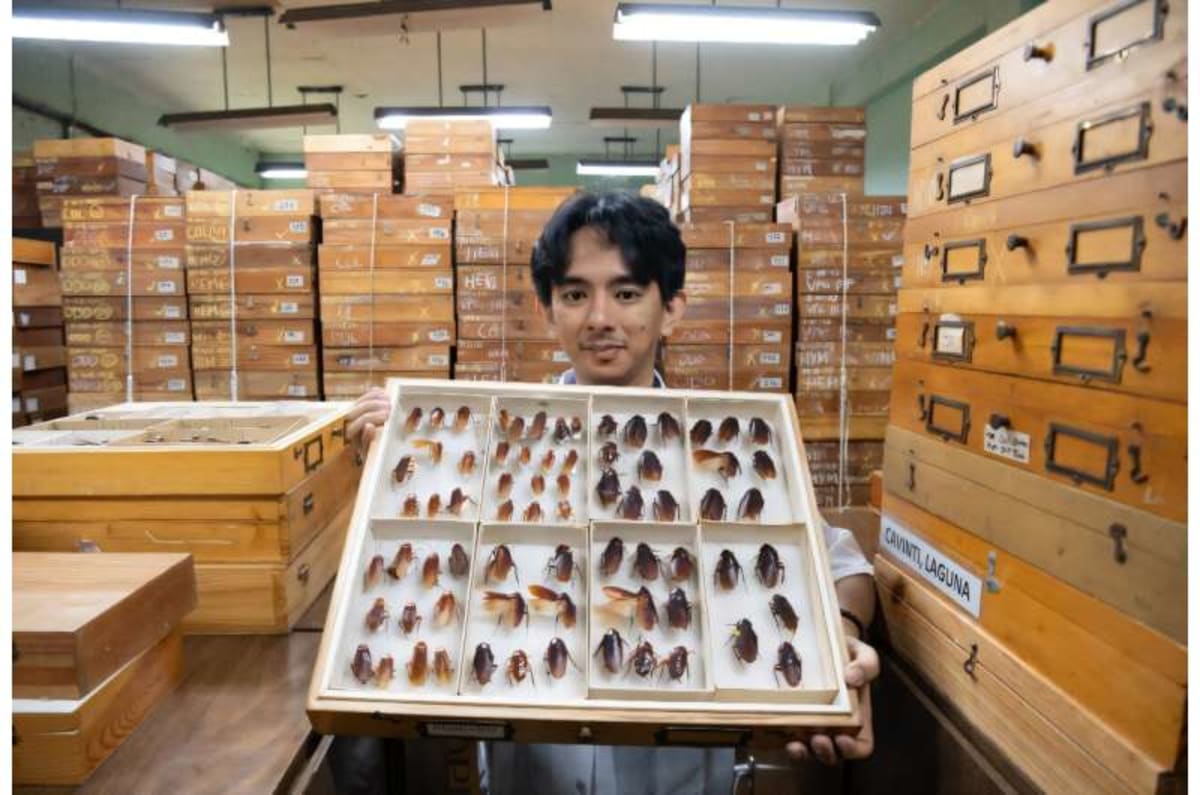
The Philippines hosts about 130 known cockroach species, with three-fourths found nowhere else on Earth. Lucanas believes another 200 local varieties remain undocumented, a "sad" gap given the archipelago's massive biodiversity. Over 4,600 cockroach species exist worldwide, but he suspects the real number could be double or triple that amount.
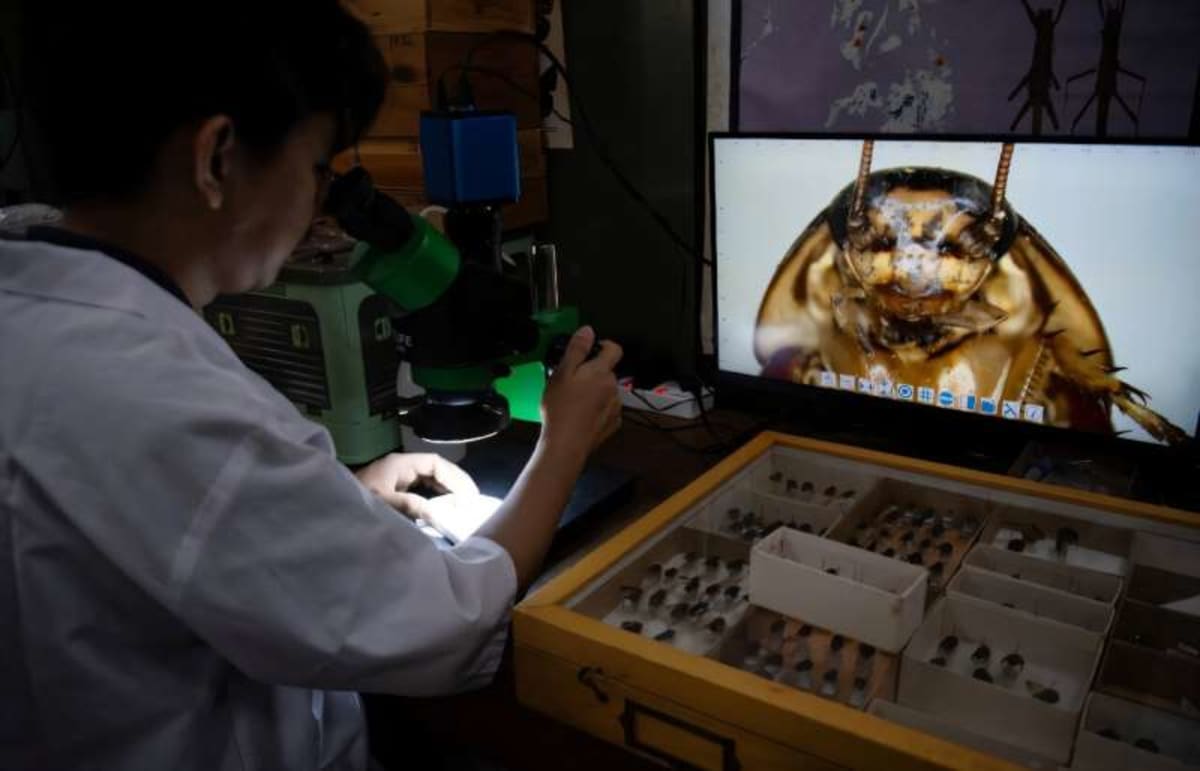
His discoveries reflect his love of J.R.R. Tolkien, with species named "Valar," "Hobbitoblatta," and "Nazgul" after creatures from "Lord of the Rings." More names are coming once he finishes writing scientific papers on his newest finds.
Despite their bad reputation, cockroaches play a crucial role that most people never consider. Like dung beetles and earthworms, they're detritivores that break down dead organic matter and return nutrients to the soil. Without them, decomposition would slow dramatically.
Birds and spiders would lose a key food source. Plants would absorb less carbon dioxide, potentially worsening global warming. The ecosystem processes we depend on would suffer if these insects disappeared.
The Bright Side
Lucanas is busting myths about cockroaches while protecting species most people don't know exist. Contrary to popular belief, cockroaches wouldn't survive a nuclear war any better than other insects. Their real threat comes from humans, not radiation.
Some mountain species reproduce slowly and could vanish if their habitats face encroachment. Several cave-dwelling Philippine species first documented in the 1890s haven't been seen since tourism opened their homes to visitors.
His unique expertise occasionally puts him in unexpected situations. The Philippines' biggest bug spray company once invited him to lecture staff on cockroach identification. The country's top restaurant chain sought his advice on stopping raids by invasive German cockroaches (actually from India).
Lucanas keeps bug spray at his museum workspace, ready to protect 250,000 preserved insect specimens from hungry cockroaches. "Control is not really my forte," he admits with characteristic humility.
He worries that research funding in the Philippines "goes to research that will directly affect humans," limiting his ability to do more than catalog and explain his country's cockroaches. But that work matters more than most realize.
After decades of neglect, someone is finally giving these ecosystem heroes the attention they deserve, one species at a time.
More Images
Based on reporting by Phys.org
This story was written by BrightWire based on verified news reports.
Spread the positivity!
Share this good news with someone who needs it