Philippines Completes World's First Robot Cataract Surgery
A Filipino medical team just performed the world's first fully robotic cataract surgery on a human patient, placing the country at the forefront of vision care innovation. The breakthrough could bring precise, high-quality eye surgery to millions who need it most.
The Philippines just made medical history with something that sounds like science fiction but is now helping people see clearly again.
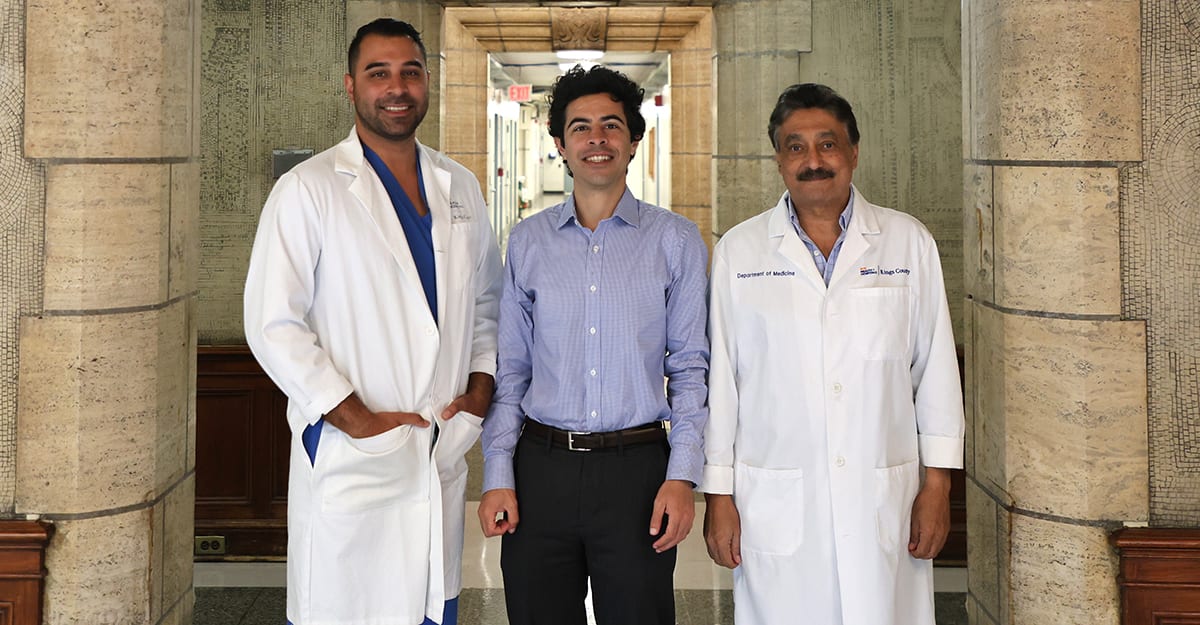
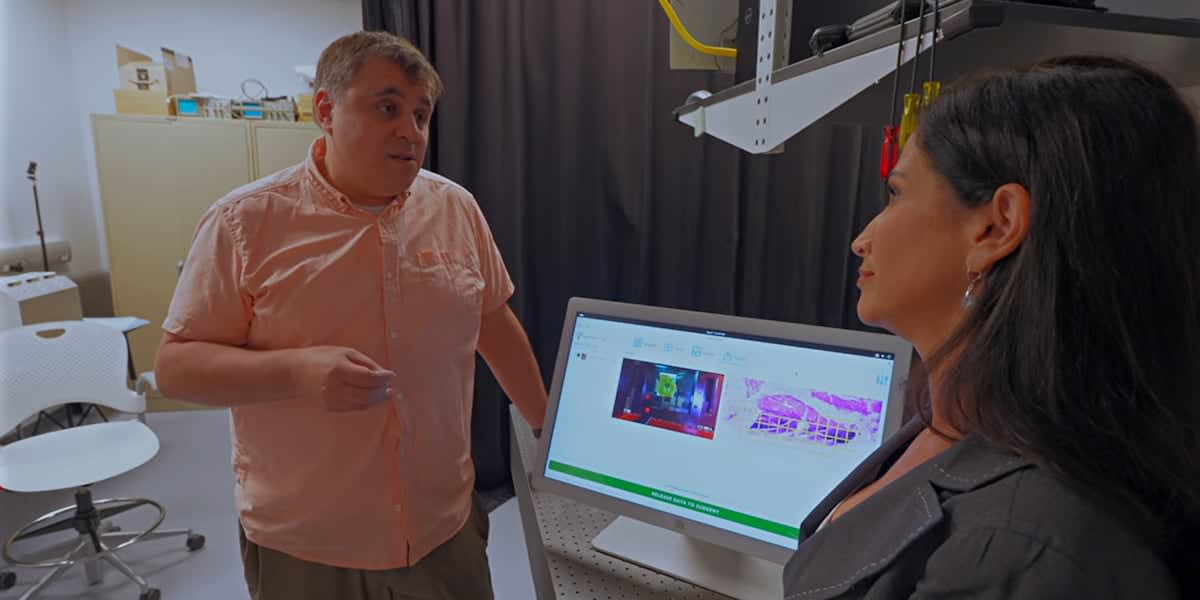
Doctors at Manila's Asian Eye Institute successfully completed the world's first fully robot-assisted cataract surgery on a human patient using the Jasper Platform developed by ForSight Robotics. Dr. Robert Edward T. Ang led the groundbreaking procedure as principal investigator, with Dr. Alexey Rapoport performing the surgery.
The achievement places the Philippines and Asian Eye Institute at the cutting edge of vision care worldwide. For a country often importing medical innovations, this reversal puts Filipino doctors and researchers in the driver's seat of developing future treatments.
"This technological breakthrough presents a shift in how we think about performing eye surgery," said Dr. Ang, who also serves as Senior Consultant and Head of Cornea and Refractive Surgery at Asian Eye. The robotic system promises to improve surgical precision, reduce variability between procedures, and make consistently excellent outcomes more achievable.
The Ripple Effect
The timing couldn't be better. Cataracts remain one of the leading causes of vision loss globally, with the surgery to remove them ranking among the most commonly performed medical procedures worldwide.
Robotic assistance could democratize access to top-tier care in ways traditional surgery cannot. The technology has potential to bring the steadiest, most precise surgical outcomes to underserved areas where experienced specialists are scarce.
Asian Eye Institute didn't stumble into this breakthrough by accident. Over 25 years, the center has built a reputation as a leading clinical research hub in Asian ophthalmology, contributing to advances in cataract treatment, refractive surgery, glaucoma care, and retinal disease management.
"Clinical research is not separate from patient care. It is how patient care continues to evolve," said Medical Director Dr. Juan Ma. Pablo Nañagas. That philosophy has kept the institute partnering with global innovators to bring emerging technologies to Filipino patients first.
The team isn't stopping with cataracts. Asian Eye is currently running multiple studies on advanced intraocular lenses, presbyopia laser treatments, glaucoma drug delivery systems, and therapies for macular degeneration.
Patients interested in participating in ongoing clinical trials can contact the institute for screening. Sometimes being part of medical history means getting access to tomorrow's treatments today.
Based on reporting by Google News - Tech Breakthrough
This story was written by BrightWire based on verified news reports.
Spread the positivity!
Share this good news with someone who needs it