Philippines Hospital Mascot Tackles 78% Plastic Waste
A singing nurse mascot is touring Philippine hospitals to slash plastic waste after audits revealed 78% of medical waste is plastic. The campaign promotes reusable equipment and proper waste sorting to protect public health.
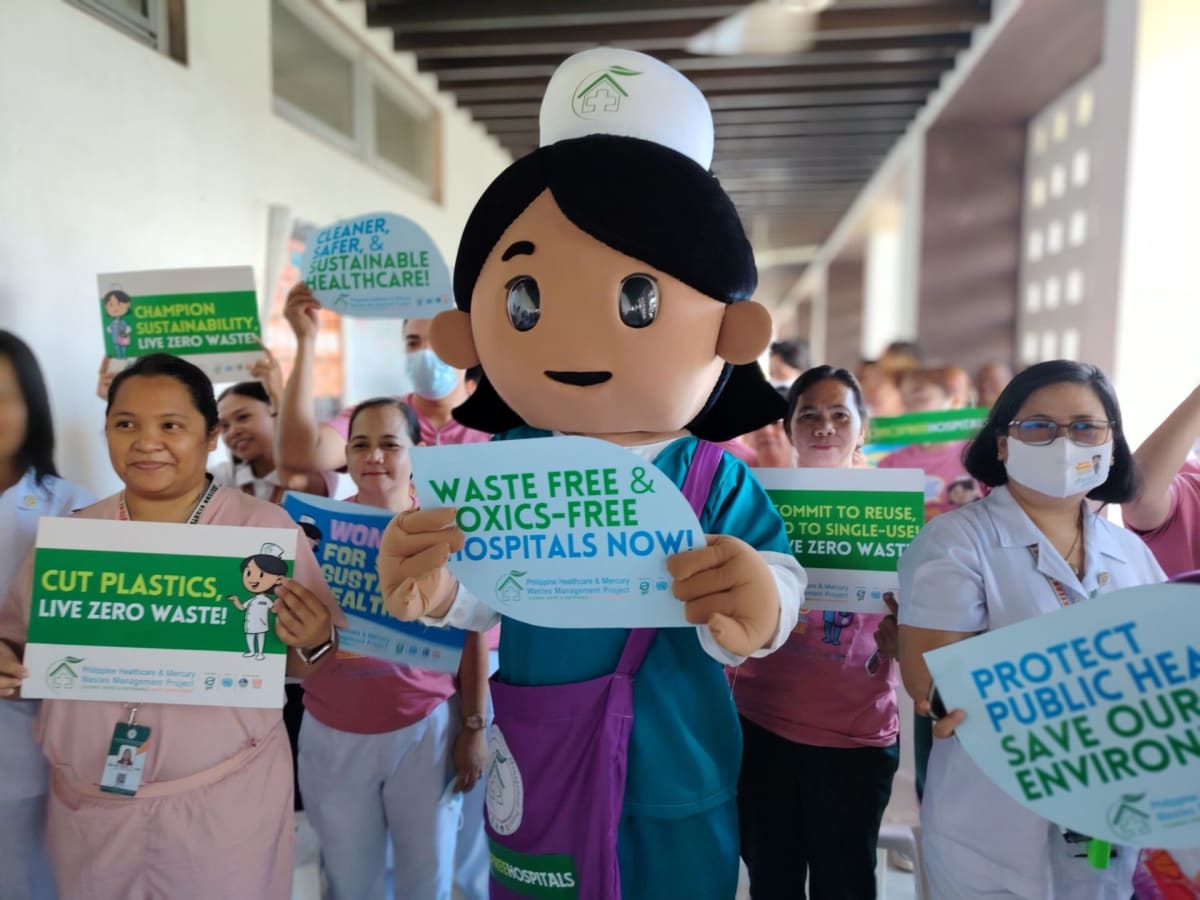
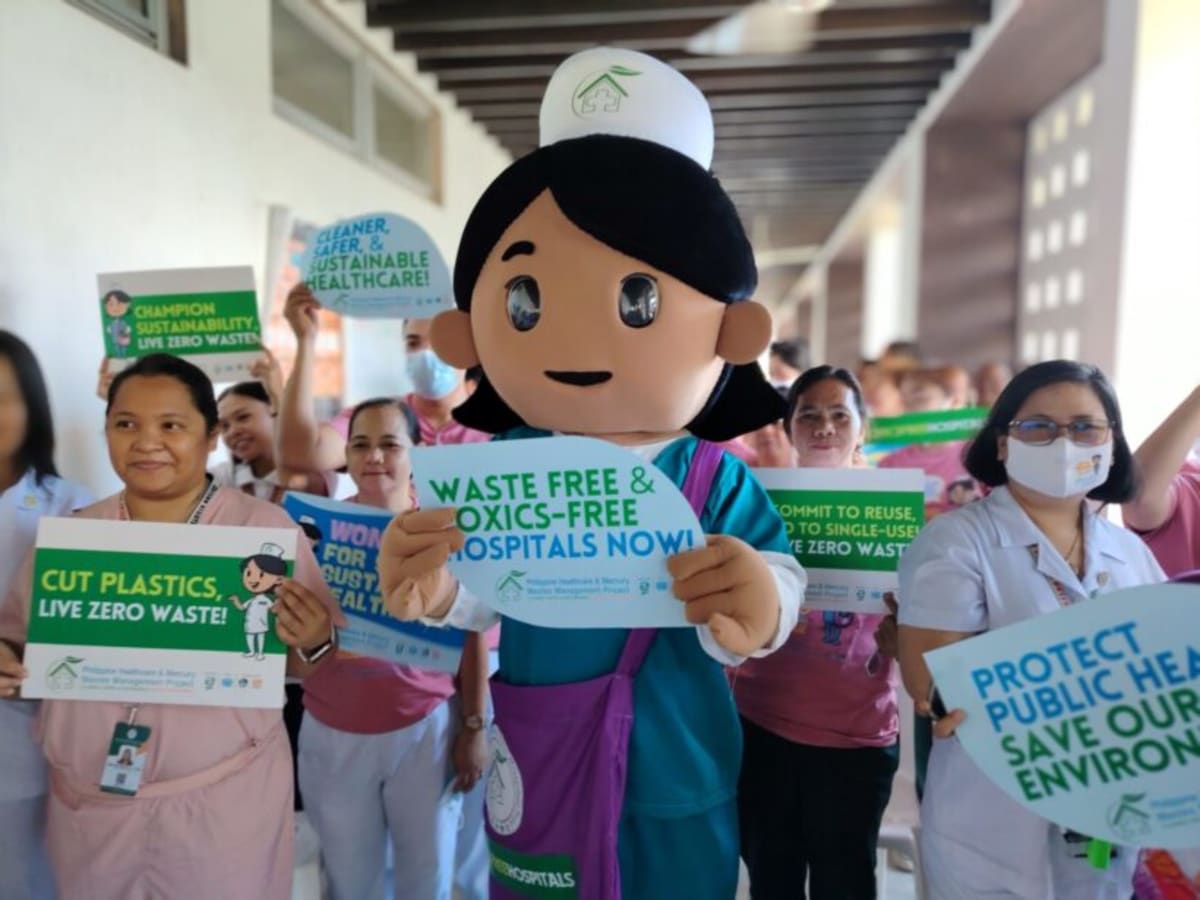
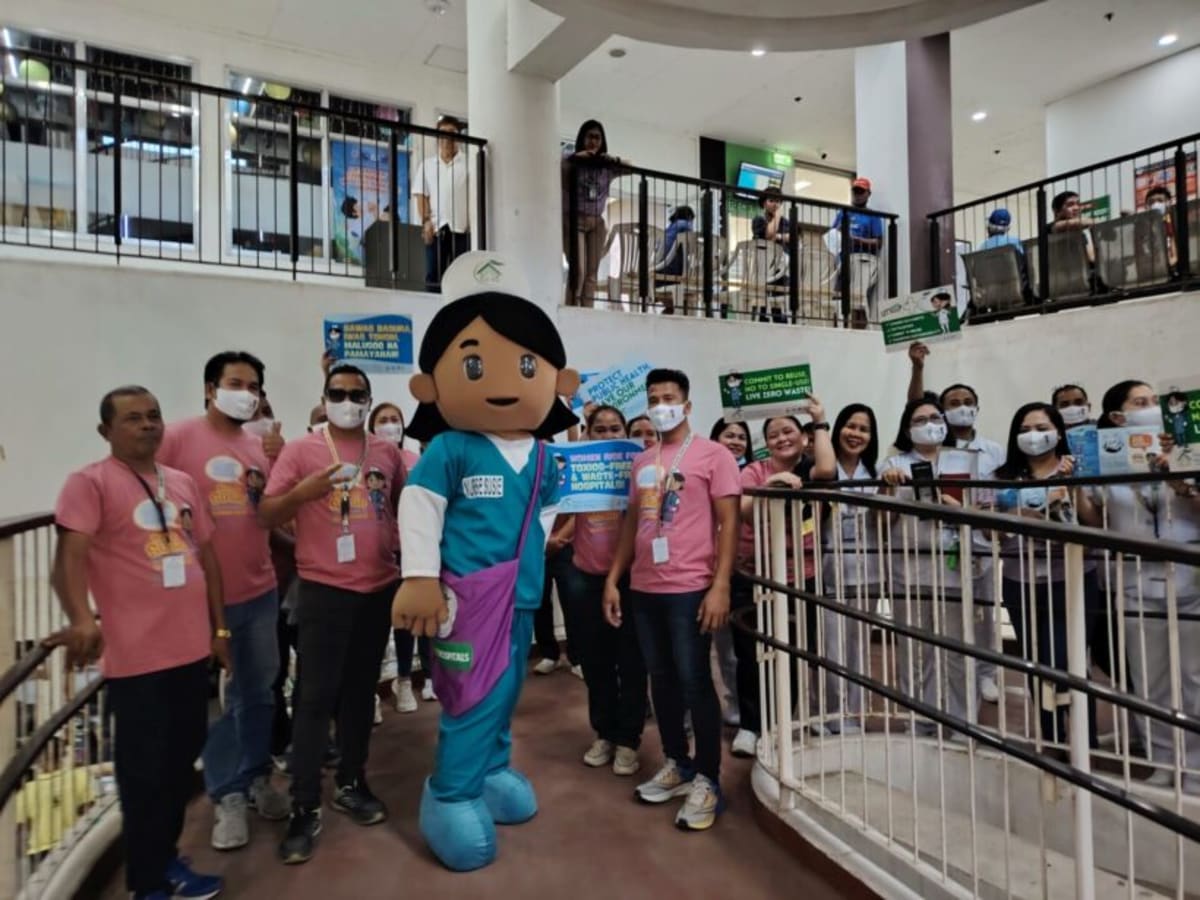
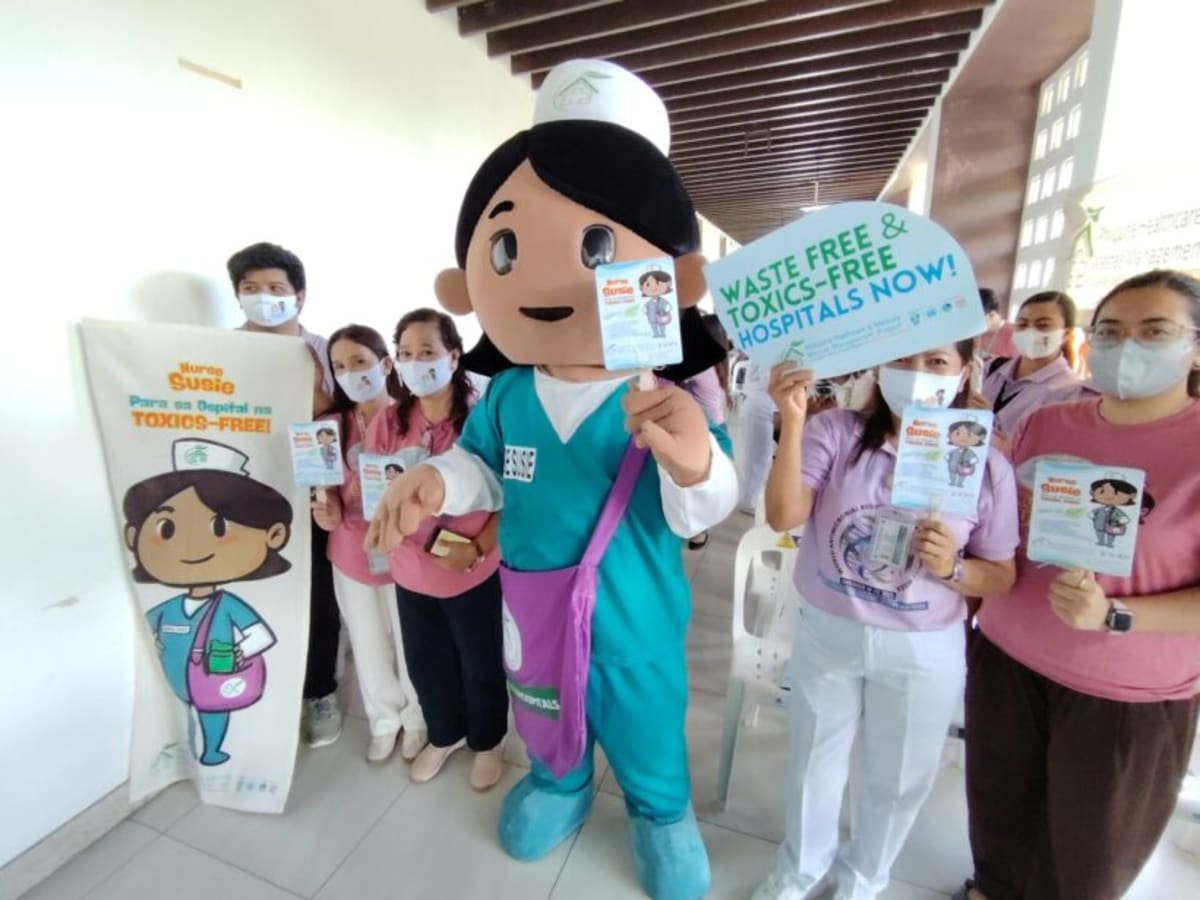
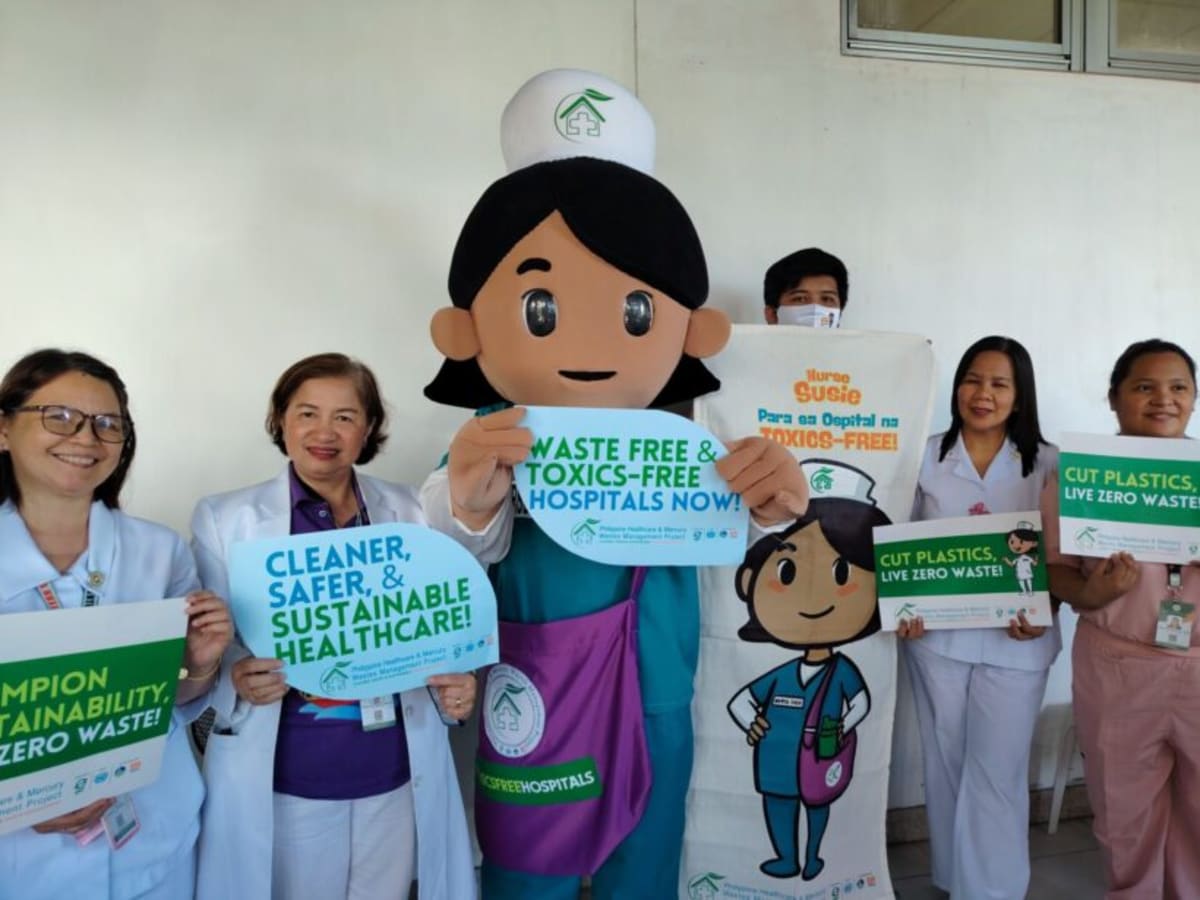
A cheerful mascot named Nurse Susie is dancing through Philippine hospitals with a catchy jingle and a serious mission: cutting the massive amount of plastic waste threatening both patient health and the environment.
The Eastern Visayas Medical Center in Tacloban City recently welcomed the singing character as part of the Toxics-Free Hospitals Campaign. Nurse Susie's message is simple but urgent: change old habits, cut plastics, commit to reusables, and champion sustainability.
The campaign launched after waste audits at three major hospitals revealed a startling problem. More than 70% of hospital waste is plastic, with Eastern Visayas Medical Center hitting 78%. Over half comes from infectious waste like medical textiles and sanitary products, while another quarter comes from everyday items like food containers and plastic bags.
"Minimizing plastic use is one of the ways to ease the burden of high waste volumes for hospitals," explains Jam Lorenzo, project manager of the Philippine Healthcare and Mercury Wastes Management Project. The stakes are high because when burned, these plastics release toxic chemicals called dioxins and furans into the air.
The campaign kicked off at Quirino Memorial Medical Center last week and heads to Cagayan Valley Medical Center in April. Each roadshow teaches hospital staff, patients, and visitors about switching to reusable water bottles, cloth bags, and even washable face masks.
The project team is exploring an even bigger change: replacing disposable personal protective equipment with reusable versions. This could dramatically reduce the plastic flowing from patient care areas, where most hospital plastic waste originates.
Another major focus is teaching proper waste sorting. Poor segregation often causes regular trash to become contaminated with hazardous materials, forcing hospitals to treat everything as infectious waste at much higher cost.
The Ripple Effect
The campaign recognizes that healthcare waste management affects everyone, not just medical professionals. By encouraging hospital visitors and patients to bring reusable items from home, the project aims to create ripples of change beyond hospital walls.
The initiative brings together the United Nations Industrial Development Organization, the Philippine Department of Environment, the Global Environment Facility, and local environmental group BAN Toxics. Together, they're working to install low-emission waste treatment technologies that prevent toxic chemicals from entering communities.
Hospital clients and visitors can make an immediate difference by choosing reusable containers and bags when visiting medical facilities.
More Images
Based on reporting by Google News - Plastic Reduction
This story was written by BrightWire based on verified news reports.
Spread the positivity!
Share this good news with someone who needs it