Philippines Lifts 6.5M From Poverty Three Years Early
The Philippines slashed its poverty rate from 15.5% to 9.7% in just two years, lifting 6.5 million people out of poverty and hitting its 2028 goal three years ahead of schedule. Now the government is racing to protect those gains and grow the middle class.
In a stunning reversal of economic fortune, 6.5 million Filipinos climbed out of poverty between 2023 and 2025, dropping the nation's poverty rate to single digits years ahead of target.
The poverty rate plummeted from 15.5 percent to 9.7 percent, reducing the number of poor Filipinos from 17.5 million to 11 million. The Marcos administration reached its 2028 goal three full years early.
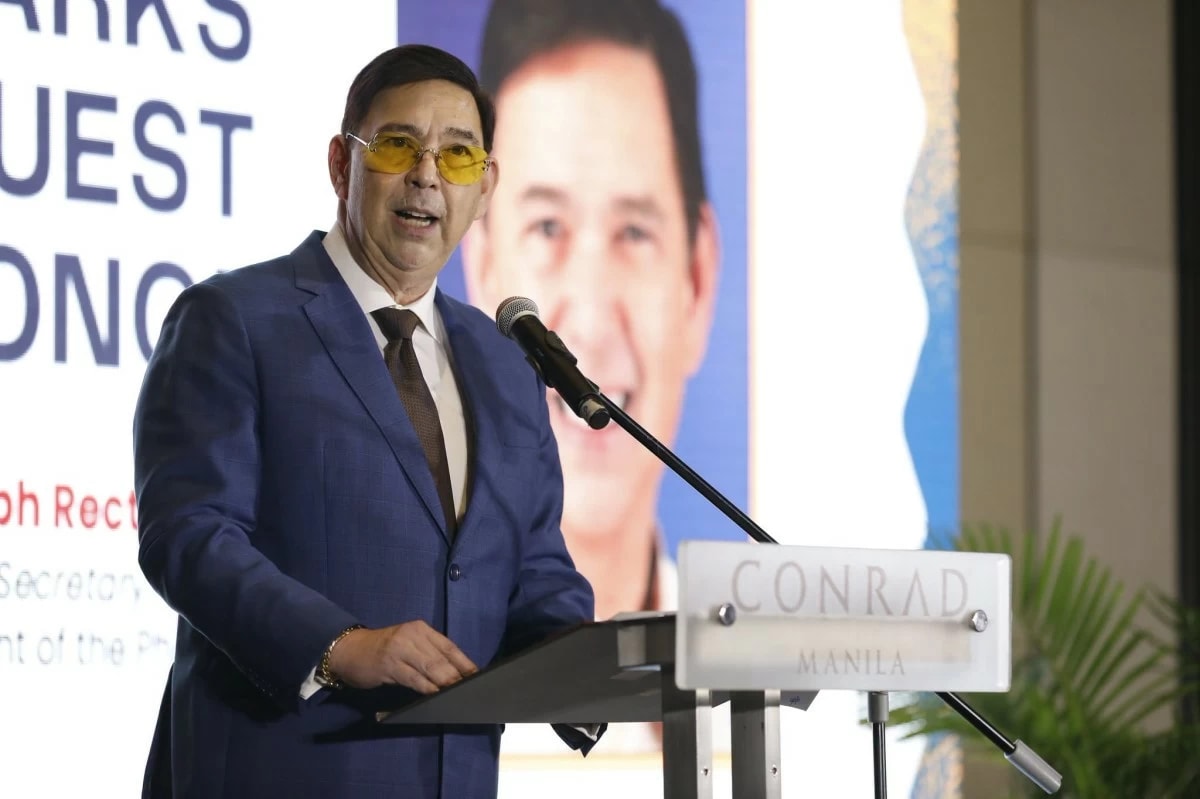
But Executive Secretary Ralph Recto says this isn't time to celebrate and walk away. The real challenge now is making sure those 6.5 million people don't slide backward while helping millions more climb up.
"Our next challenge is to ensure that their progress continues," Recto said. "Those who have risen out of poverty must not fall back into it."
The government is moving fast to lock in these gains. They're pushing infrastructure projects to create jobs and cut business costs. A proposal to raise the personal income tax exemption to 350,000 pesos annually would save each worker up to 17,500 pesos a year.
Other measures target everyday expenses that squeeze household budgets. New electricity reforms would stop utilities from passing system loss charges to consumers. The proposed Sariling Kuryente Act would make home solar panels cheaper and easier to install.
The urgency stems from real threats on the horizon. The Middle East crisis could spike fuel and food prices. Climate disruptions continue hammering economic activity across the country.
To shield vulnerable families, the government expanded assistance programs. The UPLIFT program now reaches 7.5 million families. The Bawat Bayan Makikinabang Rice Program covers 8 million households.
The Ripple Effect
When millions escape poverty at once, entire communities transform. More families can afford education, meaning more kids finish school. Better nutrition means healthier workers. Money spent on basic needs instead of crisis survival flows through local economies.
The government is also betting big on the country's digital economy advantages. Investments in schools, healthcare, and modern infrastructure aim to build a bigger, more resilient middle class that can weather future storms.
Small business owners are getting help too, with proposed exemptions from the Minimum Corporate Income Tax. Even the travel tax might get abolished, making it easier for families to visit relatives working overseas.
The strategy is comprehensive: create jobs, raise incomes, and cut living costs all at once. It's about giving people room to breathe and grow, not just survive.
For a nation that has struggled with persistent poverty for generations, reaching single digit poverty rates represents a massive turning point. The hard part now is making sure it sticks.
More Images

Based on reporting by Google News - Poverty Reduction
This story was written by BrightWire based on verified news reports.
Spread the positivity!
Share this good news with someone who needs it