Philippines Makes Home Solar Easy for Millions
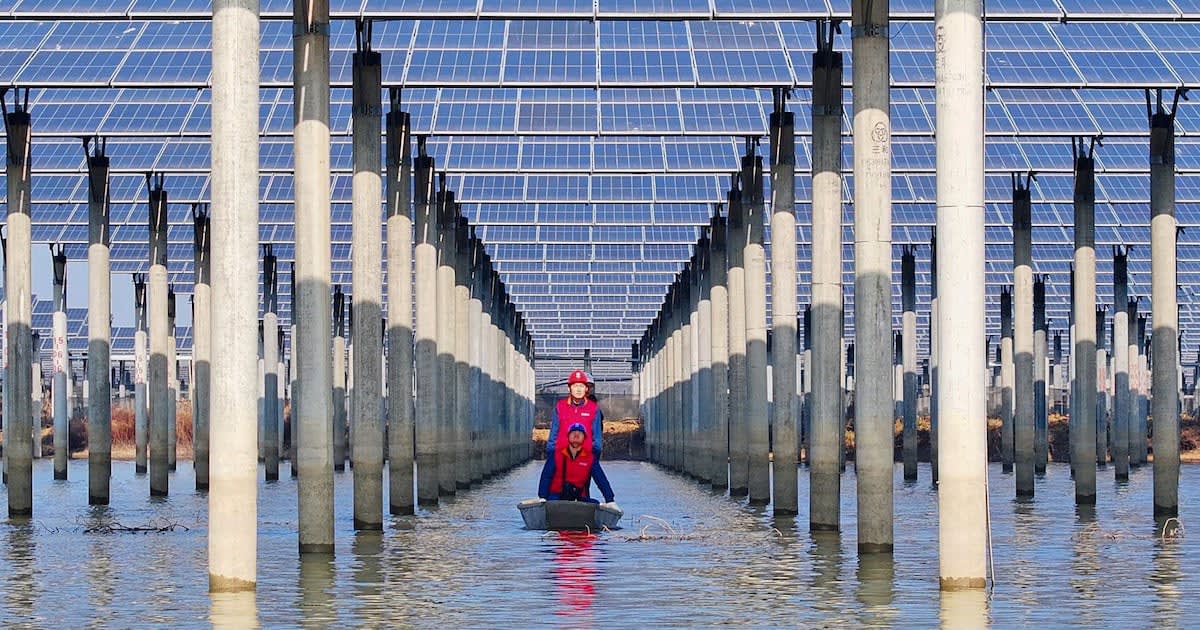
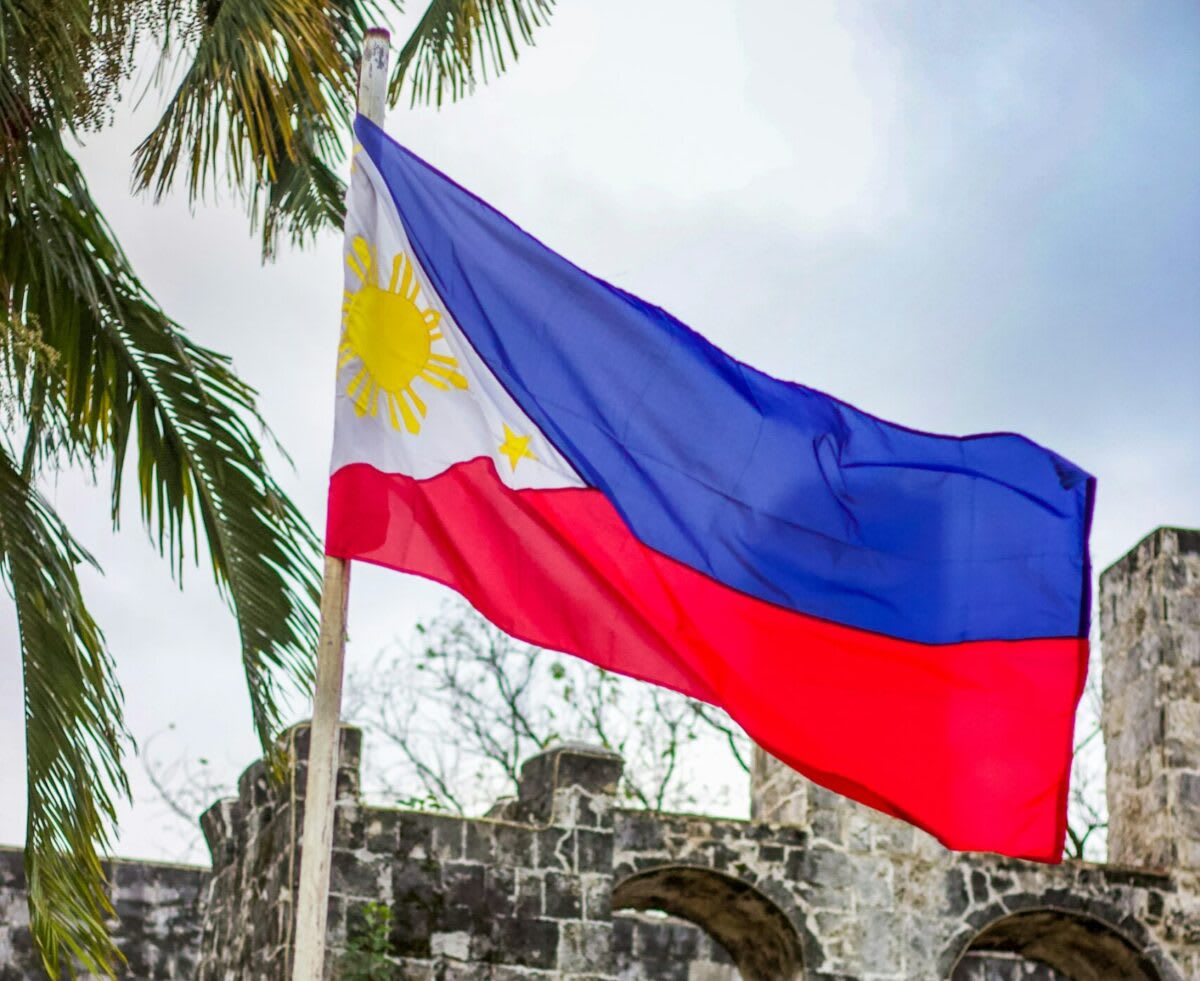
The Philippines just slashed red tape for home solar panels, letting families install small systems without permits or fees. With energy costs soaring across Southeast Asia, this move could transform how millions of Filipinos power their homes.
Filipinos dealing with some of Southeast Asia's highest electricity bills just got a lifeline from their government.
The Philippines Department of Energy announced sweeping changes last week that remove most bureaucratic hurdles for homeowners installing solar panels. Small systems under 1 kilowatt no longer need building permits, regulatory certificates, or inspection fees.
The update targets a frustration millions have faced: wanting to reduce energy costs but drowning in paperwork and administrative delays. Now families can install plug-and-play solar systems by simply submitting a single notification form to their local utility company.
Energy officials went further by banning utilities from imposing pre-installation clearances or technical permits that previously slowed down installations for months. Even larger home solar systems get relief, no longer requiring certificates of compliance from the country's Energy Regulatory Commission.
The timing couldn't be better. The Philippines imported 4 gigawatts of Chinese solar panels in just the first four months of this year, with another 3 gigawatts on the way as of July. That surge reflects both sky-high energy prices and growing citizen demand for affordable alternatives.
Distribution utilities can still conduct impact studies for their own planning, but the new rules prevent those studies from blocking or delaying anyone's installation. The government made clear that access to affordable energy matters more than utility convenience.
The Ripple Effect
This policy shift does more than help individual families save money. It accelerates the Philippines toward ambitious clean energy goals: 35% renewable energy by 2030 and 50% by 2040.
Every rooftop solar panel installed reduces strain on the national grid while cutting household expenses. For a country where energy costs eat up a significant chunk of family budgets, that double benefit multiplies across communities.
The changes complement existing net-metering rules that let homeowners sell excess solar power back to the grid. Recent updates streamlined those procedures too, creating a complete ecosystem that makes solar adoption practical and profitable.
Experts say the Philippines is becoming one of the world's leading solar panel importers not just because of necessity, but because the government is finally removing obstacles. When clean energy becomes easier than traditional power, adoption naturally follows.
For millions of Filipino families watching their electricity bills climb month after month, relief is now just a simple notification form away.
More Images


Based on reporting by PV Magazine
This story was written by BrightWire based on verified news reports.
Spread the positivity!
Share this good news with someone who needs it