Philippines Mandates Battery Storage for Major Solar Farms
The Philippines just became the first Southeast Asian nation to require battery storage alongside all large renewable energy projects. The policy shift could transform how the country powers its grid with clean energy.
The Philippines is solving one of solar power's biggest problems before it becomes a crisis.
Starting this year, any renewable energy project over 10 megawatts must include battery storage equal to at least 20% of its capacity. That means a 100 MW solar farm needs a 20 MW battery system installed alongside it.
The Department of Energy rolled out the new framework in February 2026 after system studies showed the grid needed backup power to handle growing renewable capacity. Without storage, solar energy vanishes when the sun sets and wind power disappears when breezes stop.
This policy makes the Philippines a regional leader in planning for a renewable future. Most countries wait until grid stability becomes a problem, then scramble to add storage retroactively.
The timing couldn't be better. The country has been experiencing a renewable energy boom thanks to recent reforms that opened doors to foreign investment and streamlined solar permitting.
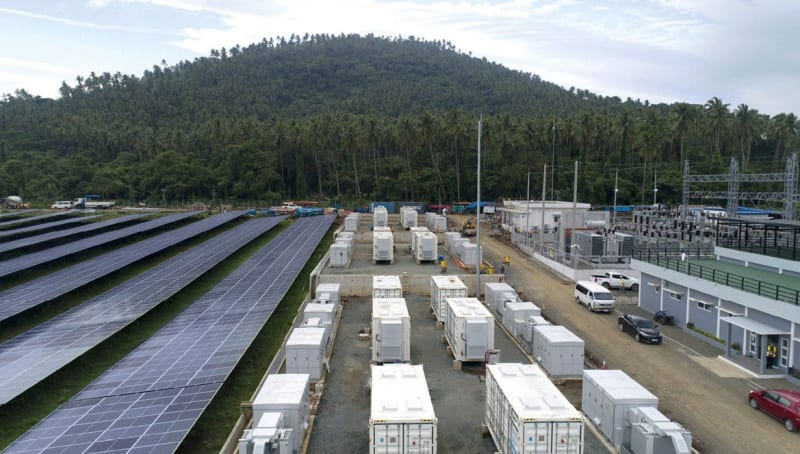
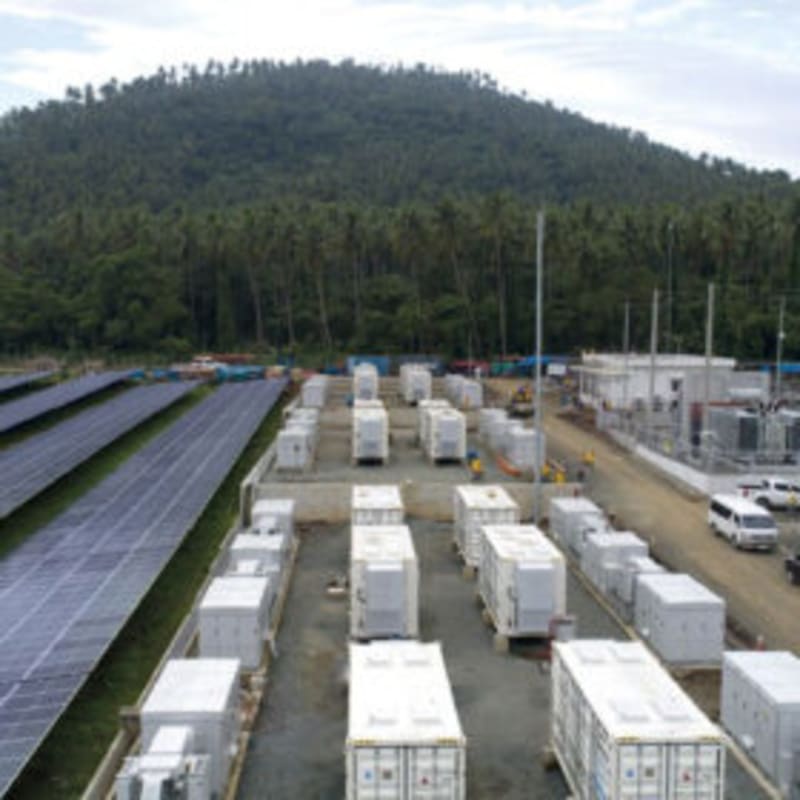
Projects like the massive MTerra development show the new rules in action. The combined 3.5 GW solar and 4.5 GWh battery project completed its first phase in February, proving that integrated storage works at scale.
The Ripple Effect
This policy change does more than keep lights on during cloudy days. By requiring storage upfront, the Philippines is building a more resilient grid that can handle extreme weather and prevent blackouts.
Developers now have clear guidelines instead of uncertainty, which actually speeds up project timelines. They can design solar and storage as one integrated system from day one rather than retrofitting later.
Other Southeast Asian nations facing similar renewable growth challenges are already watching closely. If the Philippines shows this model works, it could spark a regional wave of similar policies.
The approach also makes renewable energy more competitive with fossil fuels by addressing the reliability concern that often slows clean energy adoption. When solar can provide power after sunset, it becomes a true replacement for coal and gas plants.
The Philippines is proving that smart policy today prevents energy problems tomorrow.
More Images

Based on reporting by PV Magazine
This story was written by BrightWire based on verified news reports.
Spread the positivity!
Share this good news with someone who needs it