Philippines Partners With Ocean Cleanup for Pasig River
The Philippines just launched a five-year mission to remove plastic waste from Manila's Pasig River using cutting-edge solar-powered technology. It's a game-changer for one of Asia's most polluted waterways.
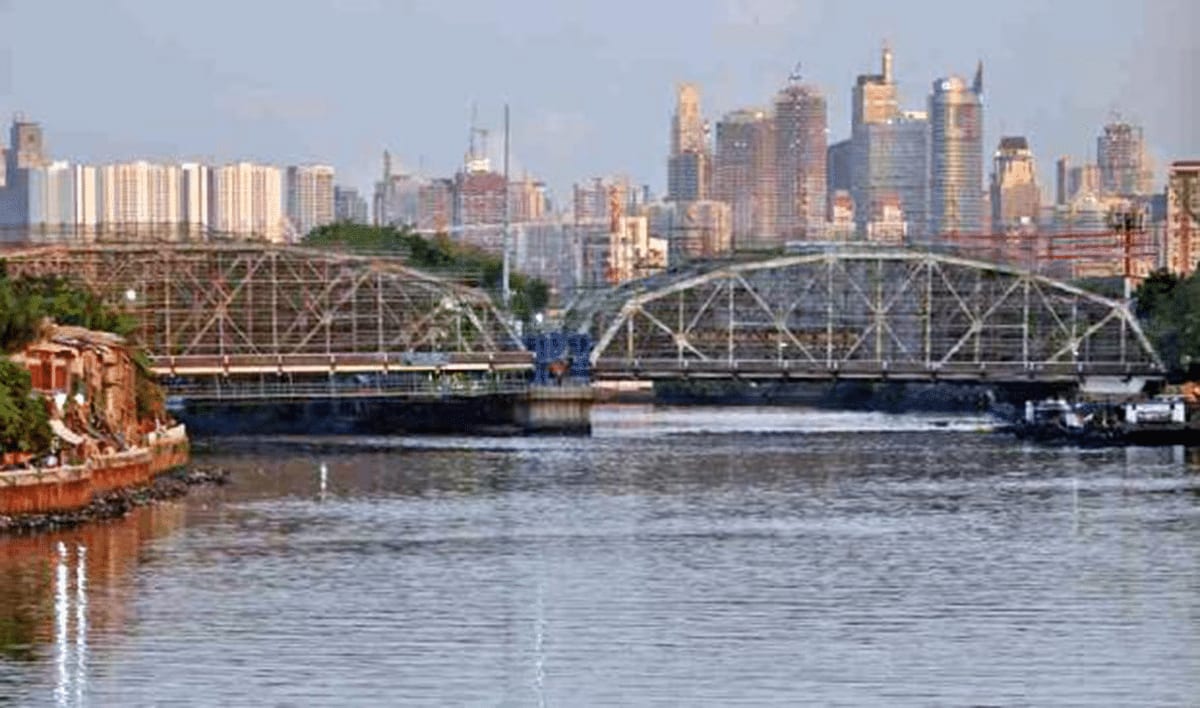
The Pasig River, which has carried decades of plastic pollution through the heart of Manila, is getting a major cleanup intervention that could transform it from environmental burden to restored waterway.
The Philippine Department of Environment and Natural Resources signed a five-year partnership with The Ocean Cleanup, a Dutch nonprofit known for its innovative approach to removing plastic from rivers and oceans. The agreement brings together local leadership and global expertise to tackle plastic pollution before it reaches Manila Bay and the wider Pacific Ocean.
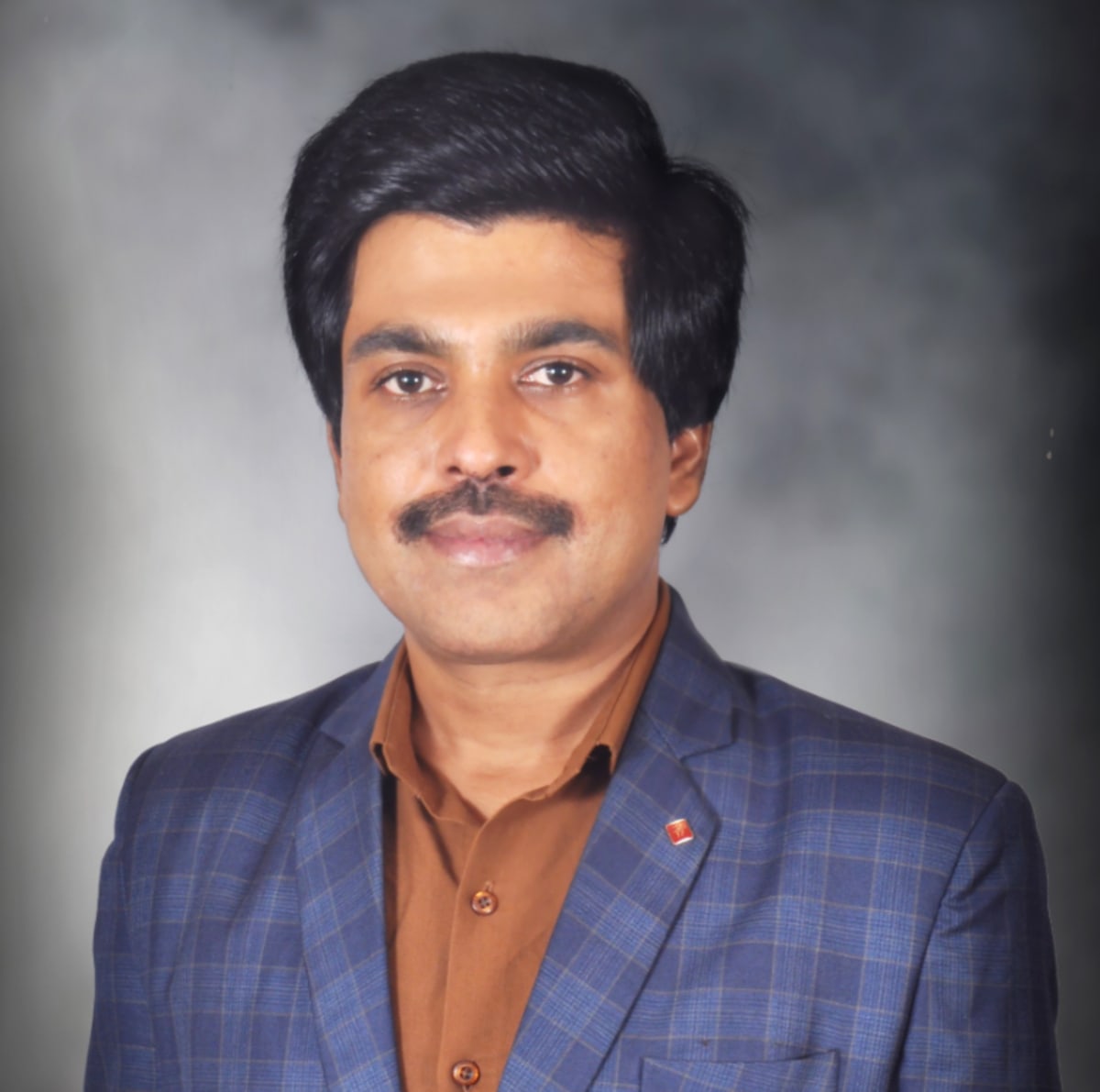
"The Pasig River has carried the burden of our consumption habits for far too long," Environment Secretary Juan Miguel Cuna said. "We cannot allow this river to remain a pipeline of plastic to the ocean."
The partnership will deploy solar-powered "Interceptor" systems designed to capture floating waste in rivers before it reaches the sea. The Ocean Cleanup has already removed tens of millions of kilograms of waste globally using these technologies, and the Pasig River represents a crucial testing ground for urban waterway restoration in Southeast Asia.
The project takes a two-pronged approach. First, it strengthens accountability for companies that produce plastic packaging under the Philippines' Extended Producer Responsibility Act. Second, it deploys interception technology to capture waste already flowing through the river system.
Nearly 100 potential deployment sites have been surveyed along the Pasig River and the Meycauayan River in Bulacan province. Initial installations will begin in the coming months as part of the first phase of rollout.
The Ripple Effect
This partnership represents more than just cleanup technology. Over five years, the program will build capacity within the Pasig River Coordinating and Management Office, training local authorities to maintain the systems long after the initial deployment.
"This ensures that once the project reaches maturity, local authorities will be fully equipped with the specialized skills and technological insights necessary to maintain the river's cleanliness for future generations," Cuna explained.
The initiative aligns with the Philippine government's "Pasig Bigyang Buhay Muli" (Give Pasig River Life Again) program, connecting technology deployment with broader urban renewal and river restoration plans. It's supported by both the Philippine Embassy in The Hague and the Dutch Embassy in Manila, along with private sector partner Energies PH.
The Ocean Cleanup's founder Boyan Slat emphasized that solving plastic pollution requires strong local partnerships. "This agreement brings together local leadership and global expertise to accelerate action in one of the world's most important coastal regions," he said.
The combination of data sharing, scientific research, and operational experience will help identify the best locations for interceptors and create a model that other polluted urban rivers could follow.
For Manila residents who have watched the Pasig River decline over generations, this partnership offers something precious: proof that restoration is possible when innovation meets commitment.
More Images


Based on reporting by Google News - Ocean Cleanup
This story was written by BrightWire based on verified news reports.
Spread the positivity!
Share this good news with someone who needs it