Philippines Prepares Seafarers for Offshore Wind Jobs
The Philippines is training its world-renowned seafarers for the offshore wind industry before jobs even arrive. The proactive shift could position Filipino maritime workers as leaders in the global clean energy transition.
Filipino seafarers who've spent decades mastering traditional maritime work are about to ride a wave of opportunity in offshore wind energy.
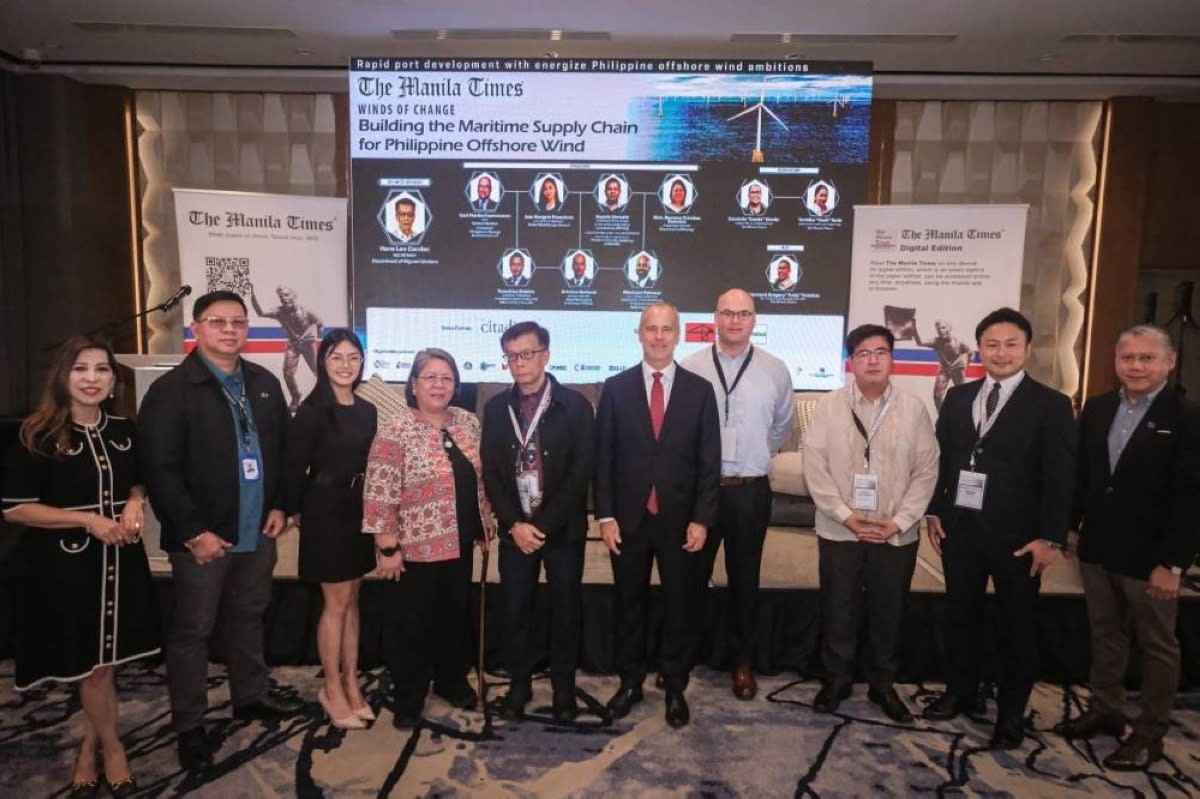
Hans Leo Cacdac, Secretary of the Department of Migrant Workers, announced at a Manila Times forum that the Philippines won't wait for offshore wind jobs to appear before preparing its workforce. The country is training seafarers now in new technologies, propulsion systems, and offshore operations required by the clean energy sector.
"We should not wait for the jobs to change before we change our skills," Cacdac said. "We should prepare our people ahead of the transition."
The timing couldn't be better. Filipino seafarers already operate 25% of the world's commercial vessels, building decades of trust with international employers. That reputation is now opening doors to specialized offshore roles that barely existed five years ago.
Real progress is already happening on the ground. Solstad Offshore Philippines employs Filipino chief engineers, officers, and dynamic positioning operators for global offshore operations. Magsaysay Maritime Corporation partnered with Mitsui O.S.K. Lines and the Maritime Academy of Asia and the Pacific to establish a dynamic positioning training center in Bataan specifically for offshore wind workers.
"These are very important signals for us," Cacdac said. "The skills that are being demanded today should be transitioning now as we speak."
The Ripple Effect goes far beyond wind turbines. As shipping evolves with electric, hydrogen, and ammonia-powered vessels, Filipino seafarers trained in these emerging technologies will be positioned at the forefront of maritime innovation worldwide.
The Department of Migrant Workers created a Committee on Active Labor Market Intervention to match workers' skills with new opportunities. The program has already connected 4,000 workers returning from the Middle East with potential jobs based on their experience profiles.
Cacdac emphasized that Filipino workers should be "skilled professionals helping drive that transition" rather than simply following industry changes. The Global Wind Energy Council's Philippine Offshore Wind Supply Chain Study identified the country's skilled labor as a key competitive advantage, though additional offshore-specific training remains necessary.
The government is coordinating with shipowners, training institutions, and international partners to align workforce development with industry needs. "The technology is already there," Cacdac assured stakeholders. "This is not rocket science anymore."
When the next generation of maritime energy arrives, Filipino seafarers will be ready to lead it.
Based on reporting by Google News - Jobs Created
This story was written by BrightWire based on verified news reports.
Spread the positivity!
Share this good news with someone who needs it