Philippines Program Deploys 739 Doctors to Rural Towns
For over 30 years, the Philippines' Doctors to the Barrios program has been bridging healthcare gaps in remote communities. Today, 739 dedicated physicians are bringing medical care to towns that once had none.
More than 700 doctors are choosing to serve in the Philippines' most underserved communities, bringing hope to places that once went without medical care.
The Doctors to the Barrios program started in 1993 when a health survey revealed 271 municipalities had no resident physician. Three decades later, 739 doctors now serve rural towns across the archipelago, ensuring families can access healthcare closer to home.
Dr. Katrina Magbojos spent three years as one of these doctors in Jalajala, Rizal, just two hours from Manila but isolated by limited transportation. Her days started with morning clinics that stretched past noon, followed by afternoon consultations and the administrative work that keeps rural health systems running.
She treated everything from respiratory infections to tuberculosis, diabetes, and hypertension. Despite resource constraints, she showed up every day, often using her own money to buy equipment when government budgets fell short.
Dr. Karl Ubial, who leads the program's Primary Care Provider Network, sees the DTTB as more than filling vacancies. "It ensures that universal health care is achieved through equitable access and distribution of doctors," he said.
Why This Inspires
The real story isn't just about numbers. It's about young doctors like Magbojos who dedicate years to serving communities most physicians never see.
They work in towns where water supplies are unreliable, where ambulances aren't always available, and where patients sometimes arrive too late because they couldn't afford to come sooner. They stay anyway.
The program is deliberately designed as a bridge while the Philippines builds stronger local health systems through broader reforms. Success isn't measured by how long a community needs a DTTB doctor, but by whether it eventually doesn't need one at all.
Some municipalities have already reached that milestone, permanently retaining physicians and building functional healthcare networks that serve their communities independently. Meanwhile, new legislation like the Doktor Para sa Bayan Act is working to address doctor shortages by providing free medical education to future physicians.
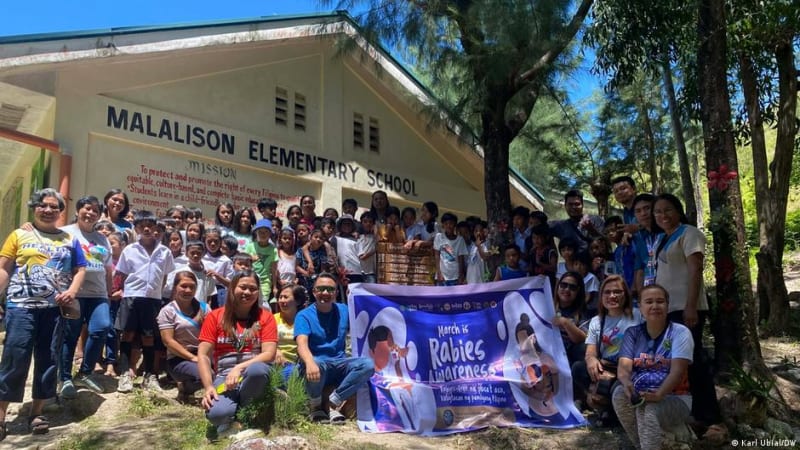
For Magbojos, the hardest moments were preventable tragedies—like two rabies cases in patients who never accessed free government vaccines. But those losses also fueled her commitment to keep showing up, keep teaching, and keep treating patients who might otherwise have nowhere to turn.
Seven hundred thirty-nine doctors are choosing service over convenience, bringing healthcare to the places that need it most.
More Images

Based on reporting by DW News
This story was written by BrightWire based on verified news reports.
Spread the positivity!
Share this good news with someone who needs it