Philippines Quake Could've Been Worse, Scientists Say
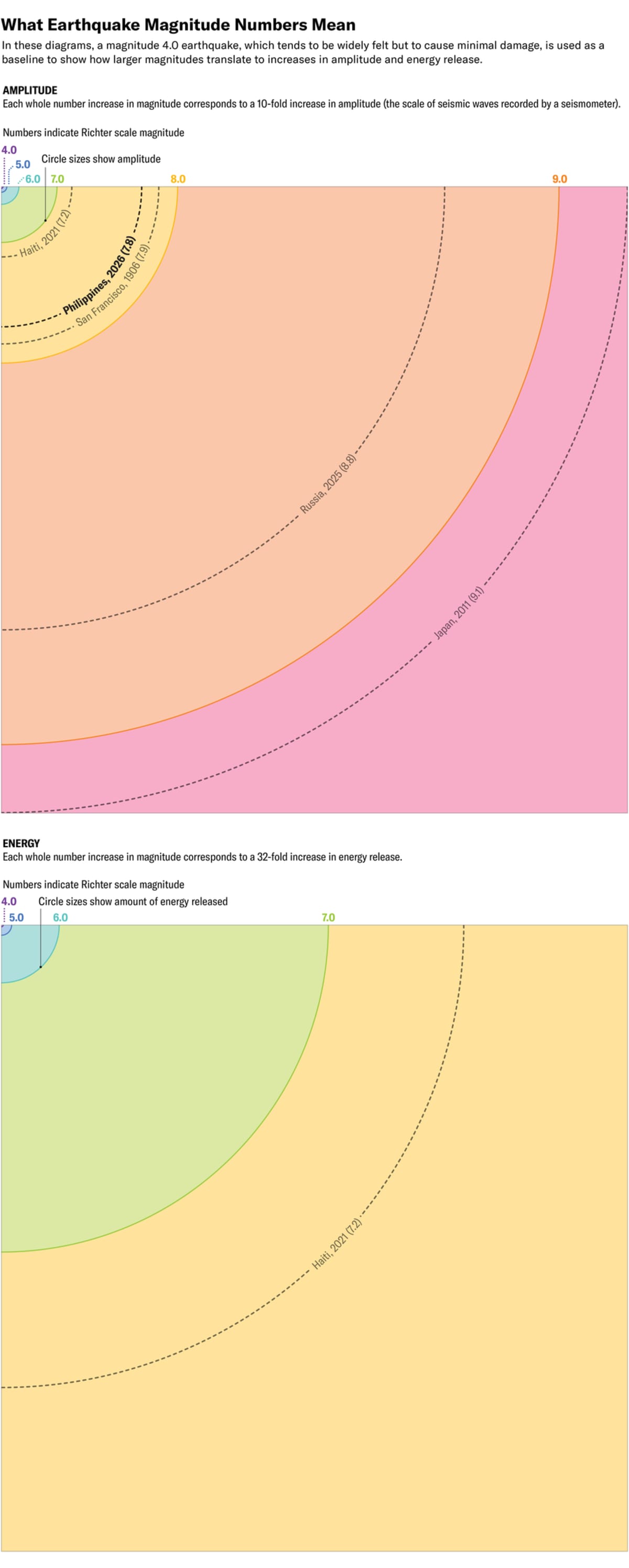
A magnitude 7.8 earthquake struck the Philippines this week, killing at least 35 people. Scientists say the geology that limited its power also saved countless lives.
When a massive earthquake struck offshore of Mindanao, the Philippines' second largest island, on Monday morning, it became the strongest quake anywhere in the world this year. But according to seismologist Lucy Jones, the same geological features that caused the disaster also prevented something far more catastrophic.
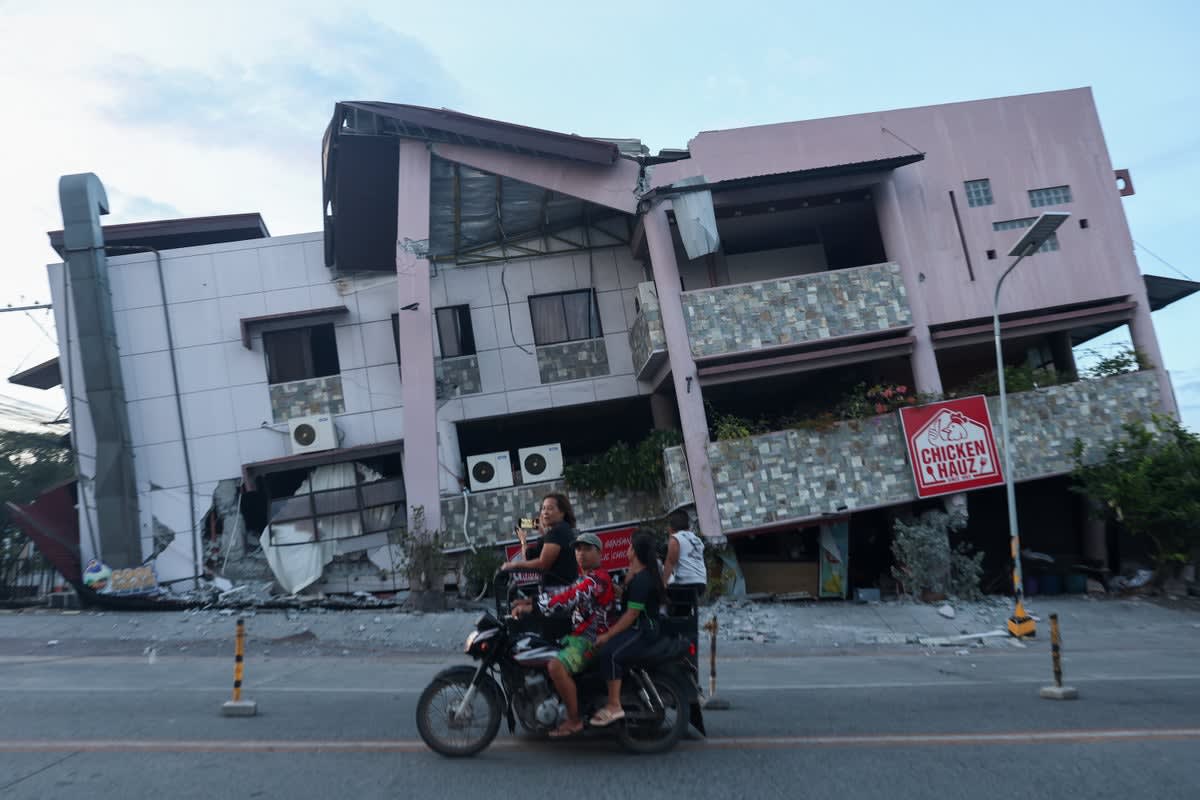
The magnitude 7.8 temblor hit at 7:37 AM local time, causing severe damage to buildings and triggering a landslide responsible for most of the deaths. About one million people experienced intense shaking, and a one-meter tsunami wave rolled ashore.
Here's where the science gets hopeful. The quake happened at a subduction zone, where one tectonic plate dives beneath another. These zones can produce the planet's largest earthquakes because the fault dips at a shallow angle, creating a massive area of slip.
But not all subduction zones are created equal. In parts of the Philippines where this quake struck, the rock is older and colder than in other subduction zones around the world. That means the area that slipped wasn't as large as it could have been.
Jones explains that this particular region is "a bit of a mess" because it's made up of jumbled pieces of tectonic plate. There isn't a clean fault line, so you can't get as big a piece moving all at once. The result is a somewhat smaller earthquake.
Compare that to the subduction zone off Chile, which has younger rocks at an even shallower angle. That zone has produced some of the largest earthquakes ever measured. Or consider the 2011 Tohoku quake in Japan, which generated a nearly 40-meter tsunami compared to Monday's one-meter wave.
The Bright Side
The Philippines experiences about a dozen earthquakes in the magnitude 7.0 to 7.9 range worldwide each year. Monday's quake appears to be among the largest on record for the Cotabato Trench, but its geology prevented an even greater disaster.
The older, colder rock that limited the quake's size is a permanent feature of the region. While no earthquake is welcome news, understanding why this one wasn't worse helps scientists better predict future risks and prepare communities.
Every earthquake teaches us more about how our planet works, and that knowledge helps save lives when the next one strikes.
More Images
Based on reporting by Scientific American
This story was written by BrightWire based on verified news reports.
Spread the positivity!
Share this good news with someone who needs it