Phoenix Mayor: Driverless Cars Calm Traffic, Cut Speeding
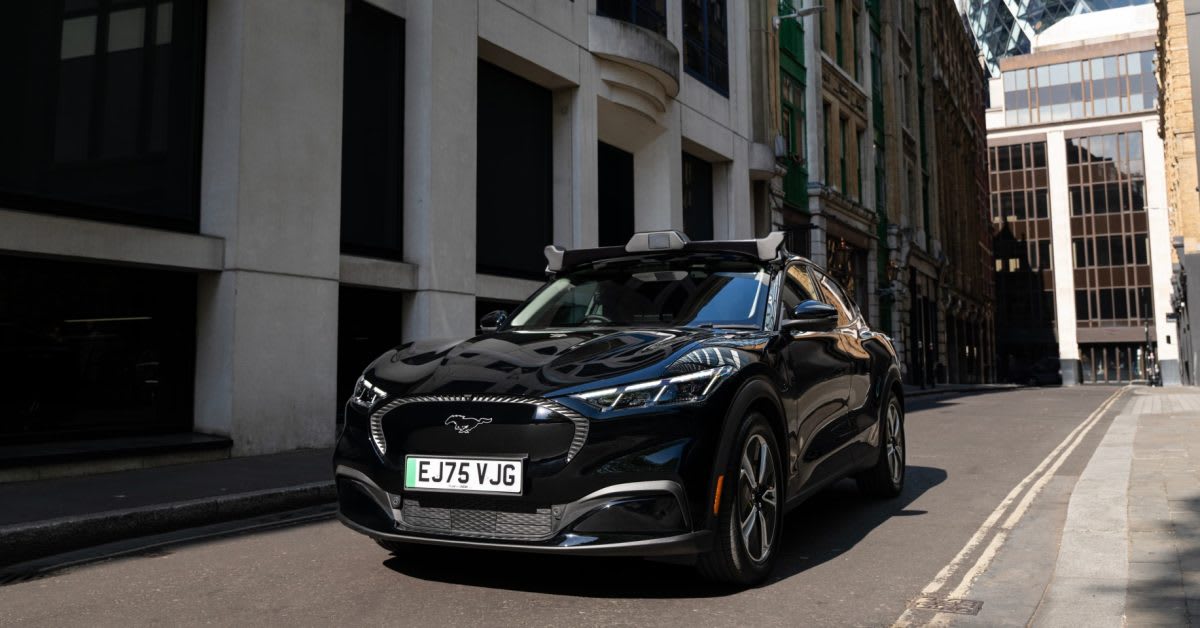
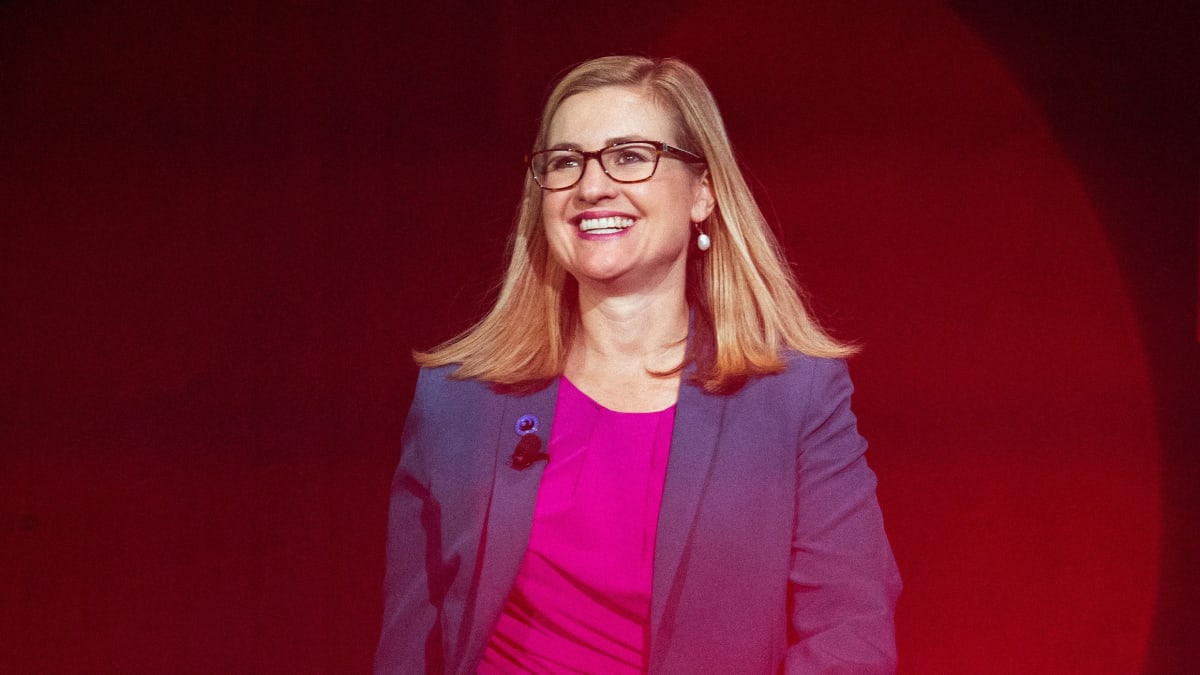
After five years of robot taxis on Phoenix streets, the city's mayor reports an unexpected benefit: safer driving. The self-driving cars follow speed limits and traffic laws, creating a calming effect in a city struggling with speeding.
Phoenix became the first U.S. city to welcome fully driverless taxis in 2020, and the results are teaching other cities what the future of transportation might look like.
Mayor Kate Gallego says the robot cars are solving problems beyond just moving people around. The Waymo vehicles stick to speed limits and stop at red lights, helping calm traffic in a city where speeding has been a persistent challenge.
The service started small, offering rides in limited neighborhoods. Today, Waymo operates across Phoenix, on freeways, and at the airport. Phoenix became the first airport in the world to offer autonomous vehicle service, a distinction Gallego says shows the city embraces innovation.
The expansion to freeways made the biggest difference for residents. Longer trips became faster and more practical, turning robot taxis from a novelty into genuine transportation.
The timing couldn't have been better. Phoenix faced a severe shortage of human drivers when Waymo scaled up its service. Now more people can get where they need to go, especially during overnight hours when regular ride services are scarce.
The traffic safety benefit caught city leaders by surprise. Phoenix typically sees higher speeds than other major U.S. cities, making red light violations and speeding ongoing concerns. Having a fleet of perfectly law-abiding vehicles on the road is creating a gentler driving culture.
The Ripple Effect
Phoenix's experience is now guiding other cities as autonomous vehicles spread to San Francisco, Austin, and beyond. What worked in Phoenix's wide roads and simple grid layout might not translate everywhere, but the lessons about driver shortages, airport access, and traffic safety give other mayors a roadmap.
The city took a cautious approach, testing each expansion before full deployment. Airport pickups started at the Sky Train station before moving to curbside service. Each step prioritized safety over speed.
Residents have moved from curiosity to acceptance. The robot taxis are simply part of how Phoenix moves now, as common as any other ride service but available when human drivers aren't.
Other companies like Tesla and Zoox are racing to launch their own autonomous fleets. Phoenix's five-year head start means the city is writing the playbook for how to manage this technology at scale, from traffic patterns to pickup zones to freeway integration.
The shift happened gradually enough that it never felt jarring. What began as a futuristic experiment is now just part of daily life in America's fifth-largest city, proving that the future of transportation doesn't have to arrive with disruption.
More Images

Based on reporting by Fast Company - Innovation
This story was written by BrightWire based on verified news reports.
Spread the positivity!
Share this good news with someone who needs it