Photographer Captures 17,000 Species Before They Vanish
Joel Sartore is racing against time to photograph every animal species in human care, creating portraits that make a mouse as captivating as an elephant. His National Geographic Photo Ark has documented over 17,000 species in nearly 20 years, inspiring everyday people to protect wildlife starting in their own backyards.
A photographer looks into the eyes of the last Rabb's fringe-limbed treefrog on Earth, knowing this gentle creature that hopped onto his hand will soon disappear forever.
Joel Sartore has witnessed this heartbreak multiple times. But instead of turning away, he's dedicating his life to preventing more losses through the National Geographic Photo Ark, an ambitious project documenting every species living in zoos, aquariums and wildlife sanctuaries worldwide.
The idea sparked when Sartore's wife Kathy battled breast cancer. He stayed home to care for her and their three children, and together they made a decision. If she recovered, he would give voices to the animals nobody talks about: the sparrows, toads and salamanders overshadowed by charismatic megafauna.
Kathy got better. Sartore kept his promise.
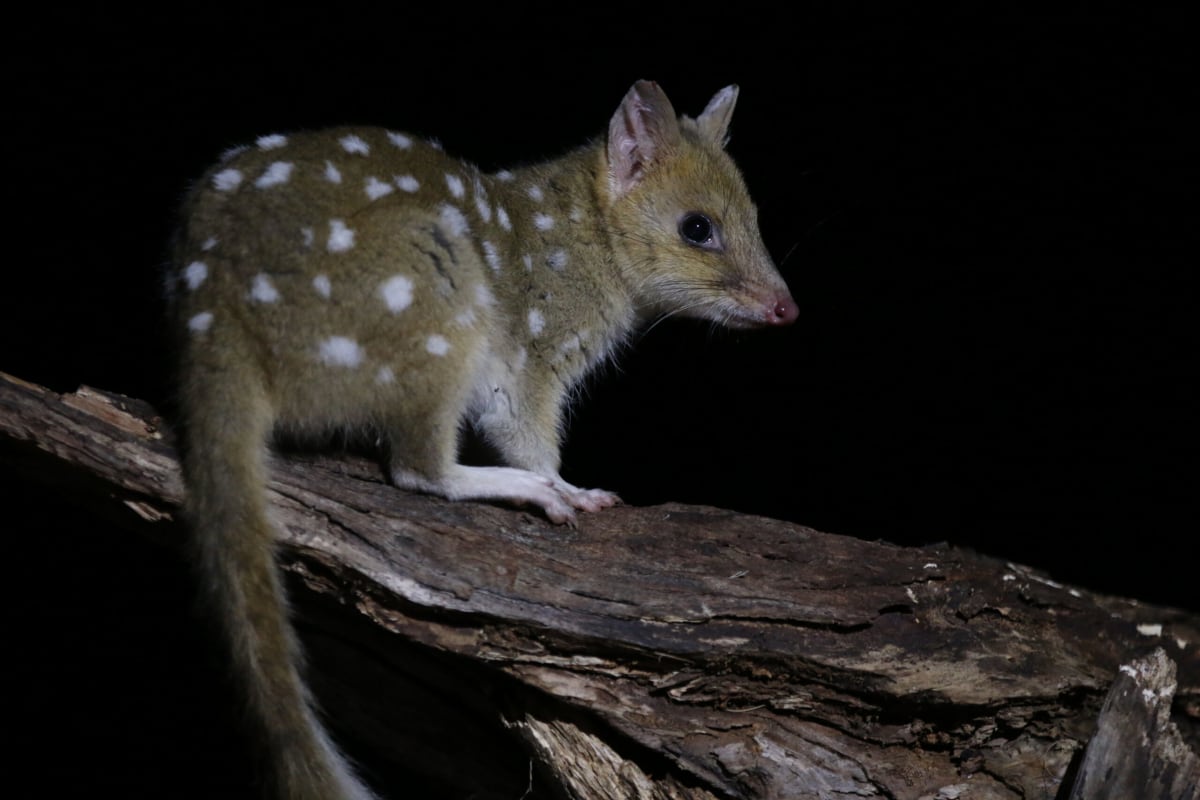
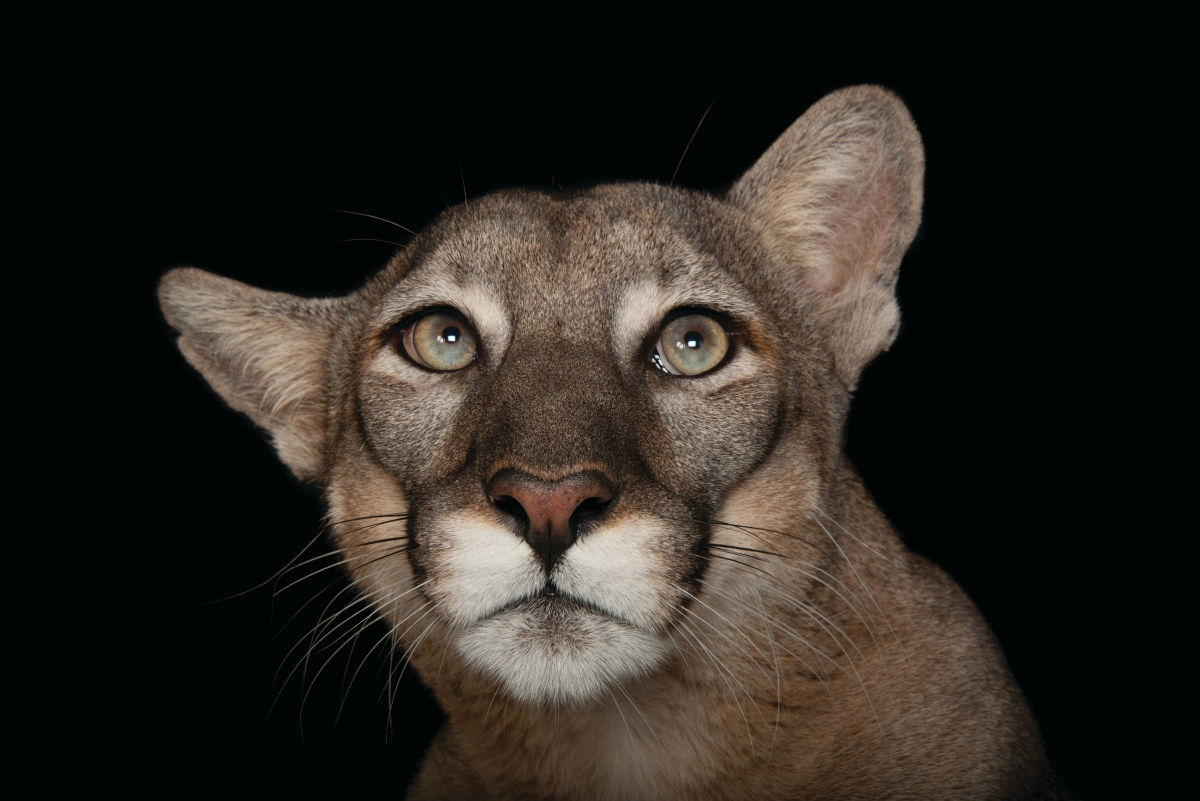
His photography technique is deceptively simple but powerful. Using black or white backgrounds and studio lighting, he photographs each animal close up with no size reference. A tiny springbok mantis commands the same visual presence as a Bornean orangutan, forcing viewers to meet each creature eye to eye.
"If people can fall in love with them the way I have, hopefully they will care and want to save species and habitats," Sartore explains.
Over nearly 20 years, he and two other photographers have captured more than 17,000 species across the Americas, Australia, New Zealand, Europe and Asia. The clock keeps ticking. Only 70 Java rhinos remain on Earth, and Sartore has spent three decades trying to photograph one.
Why This Inspires
Sartore's message flips conservation on its head. You don't need to travel the world to make a difference.
"People can start in their own back yards," he says. Skip the pesticides. Plant native species. Create spaces where butterflies and pollinating insects can thrive. Without insects, birds can't feed their babies. Without the smallest creatures among us, we can't survive either.
His work celebrates the zoos, aquariums and captive breeding programs working to pull species back from the brink. The Indonesian government is launching a captive breeding program for Java rhinos. Success stories do happen when people care enough to act.
The image of Martha, the last passenger pigeon who died in 1914, still haunts Sartore. "How can we reduce billions to one?" he asks. That question drives every portrait, every trip, every conversation with audiences who see his work.
We can't stop all extinctions. But we can slow them, one backyard garden and one captive breeding program at a time.
More Images


Based on reporting by Google: species saved endangered
This story was written by BrightWire based on verified news reports.
Spread the positivity!
Share this good news with someone who needs it