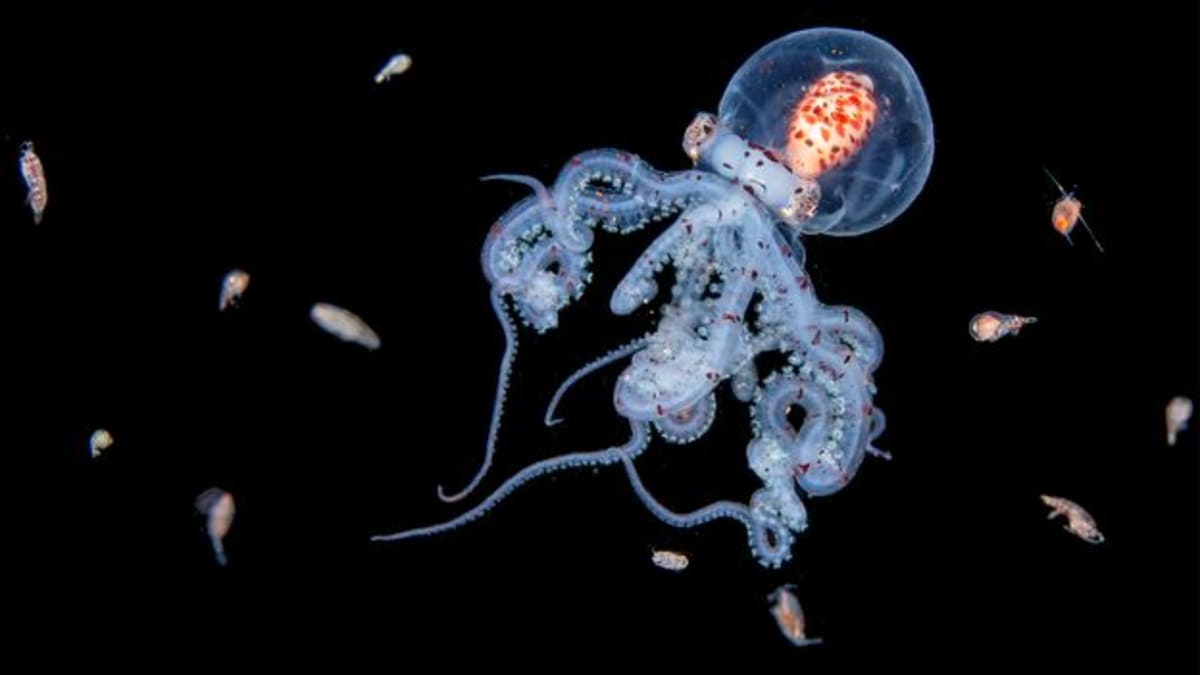
Photographer Captures Deep Sea Creatures Rising at Night
A 19-year-old photographer discovered she could photograph rare deep sea creatures without diving thousands of feet down by simply waiting for them to rise to the surface at night. Her stunning images reveal the biggest animal migration on Earth that most people never see. #
Every night, trillions of deep sea creatures swim hundreds of feet upward to feed in the darkness, then return to the abyss before sunrise. Award-winning photographer Jialing Cai realized she could capture this hidden world without ever descending to dangerous depths.
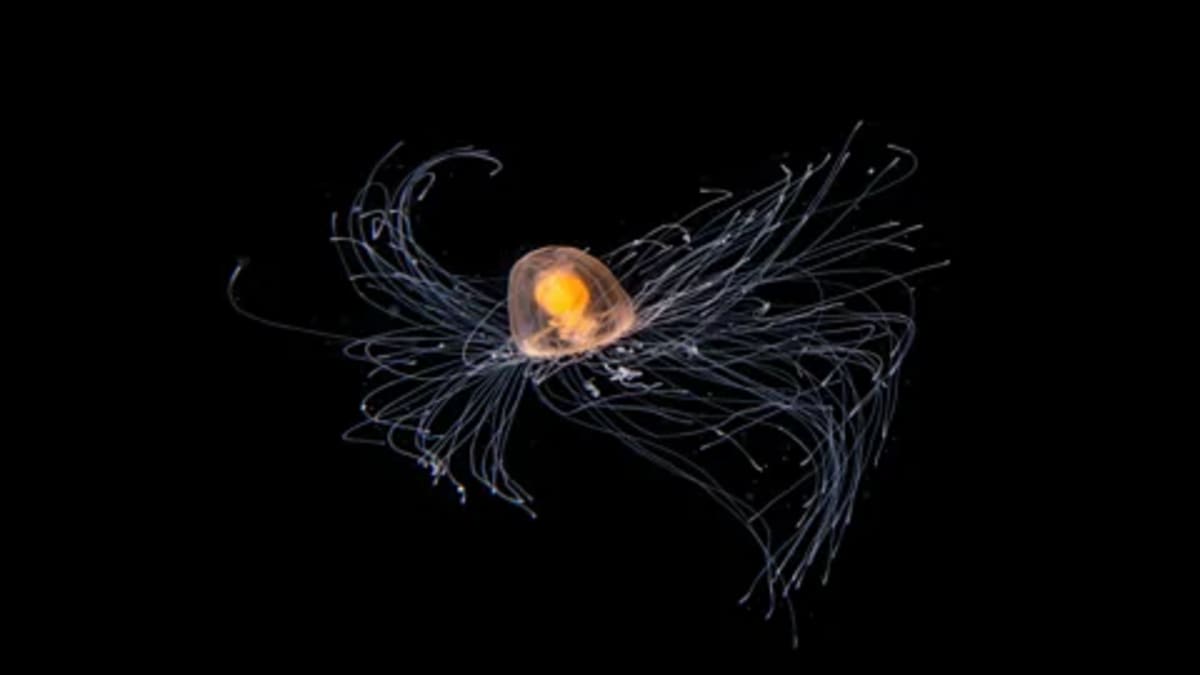
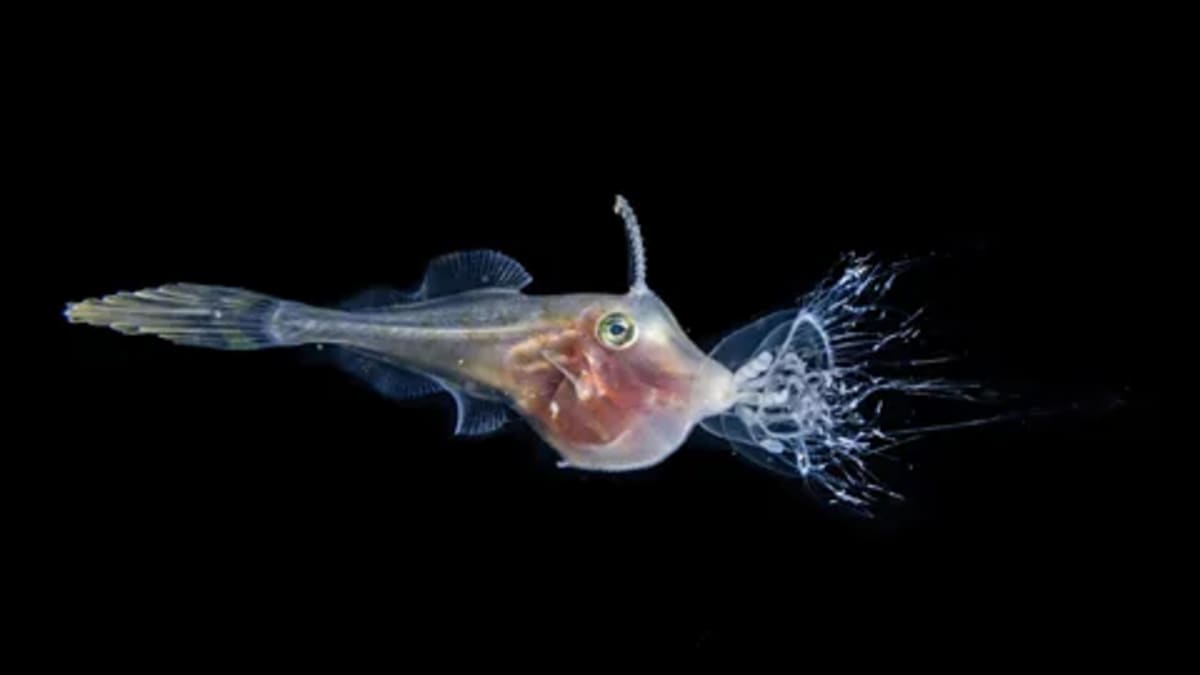
At just 19 years old, Cai took her first blackwater dive in the Philippines in December 2018. Floating in pitch darkness with the ocean floor invisible below, she discovered a world teeming with baby octopuses, jellyfish, crabs, and countless other creatures rising from the deep.
"I just have to throw myself out into the open ocean at night, and the deep sea will come to me," says Cai, who grew up in Chongqing, China.
The discovery happened during a marine biology class at the University of Virginia. When her professor explained diel vertical migration, the nightly journey of deep ocean animals to the surface, Cai interrupted with excitement. She realized ordinary divers could witness deep sea life that scientists typically only see as damaged specimens collected in nets.
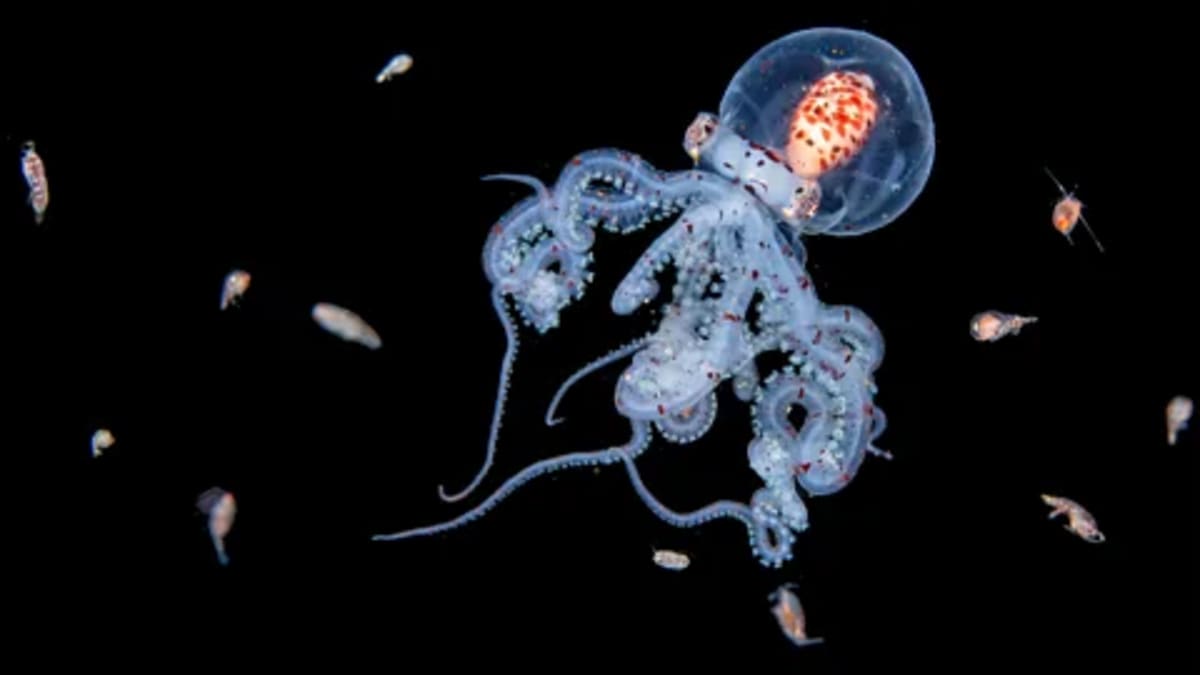
Cai dove no deeper than 98 feet, letting the creatures come to her. She captured images of a nearly transparent juvenile wunderpus octopus and a paper nautilus, a rarely-encountered octopus with a paper-thin shell. That paper nautilus photograph earned her Ocean Photographer of the Year in 2023.
The work comes with real danger. During that first dive, Cai swam so far chasing subjects that she lost sight of her boat's lights. Alone in total darkness, she turned off all her equipment, hoping to spot the boat. For terrifying minutes, she saw nothing but endless black ocean before the crew finally spotted her surface lights.
Why This Inspires
These photographs reveal what scientists call the biggest mass migration of animals on Earth, happening every single night in every ocean and lake on the planet. Yet most people never know it exists.
"Having photographic evidence of these animals is important because they're rarely seen in their natural habitat," says Jon Copley, professor of ocean exploration at Southampton University. The images show intricate structures that nets destroy, helping scientists understand how these creatures actually live.
Cai's work proves that extraordinary scientific discovery doesn't always require expensive equipment or dangerous depths. Sometimes you just need curiosity, courage, and the willingness to jump into dark water and wait for wonders to arrive.
#
More Images

Based on reporting by BBC Future
This story was written by BrightWire based on verified news reports.
Spread the positivity!
Share this good news with someone who needs it


