Photographer Captures Stunning 2026 Eclipse in 4K Video
Eclipse chaser Lucie McCormick traveled to Spain to film the 2026 total solar eclipse, capturing breathtaking footage that reveals the sun's usually hidden corona and dancing plasma in incredible detail. The mesmerizing time-lapse shows why humans have been captivated by these celestial events for thousands of years.
A photographer's years-long dedication to chasing eclipses just paid off in the most spectacular way possible.
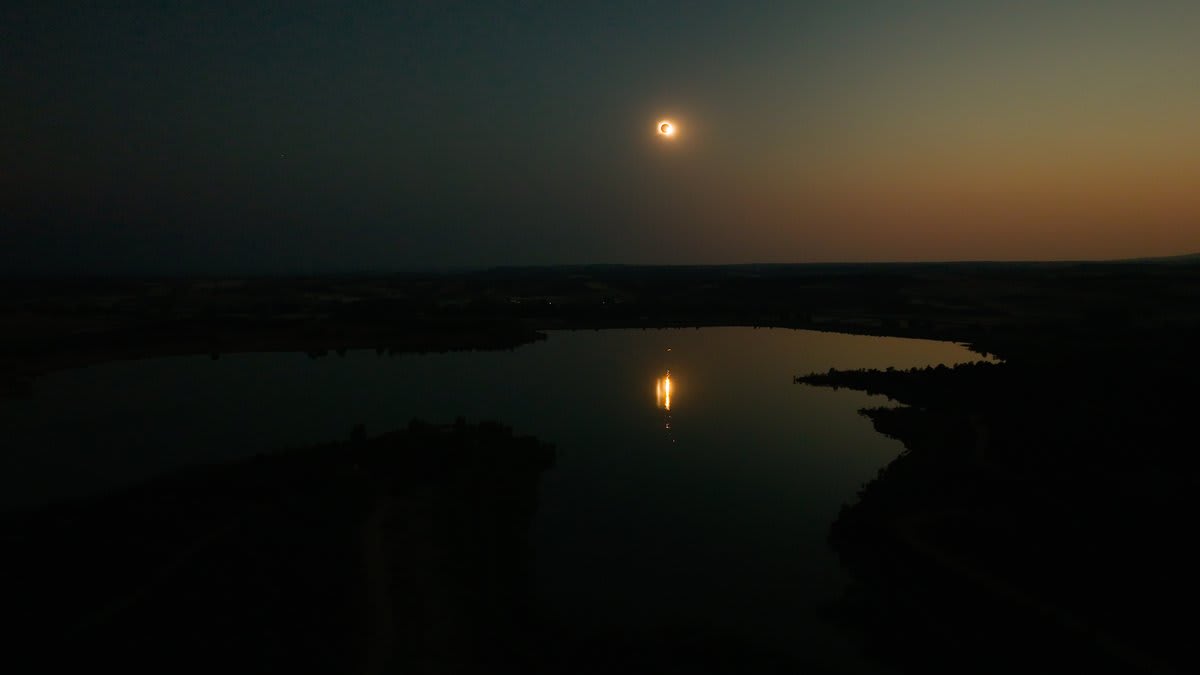
Lucie McCormick positioned herself in Spain on August 12, 2026, to capture the total solar eclipse that swept across the Northern Hemisphere. Her stunning 4K time-lapse video now lets everyone experience the cosmic event, even if they missed it in person.
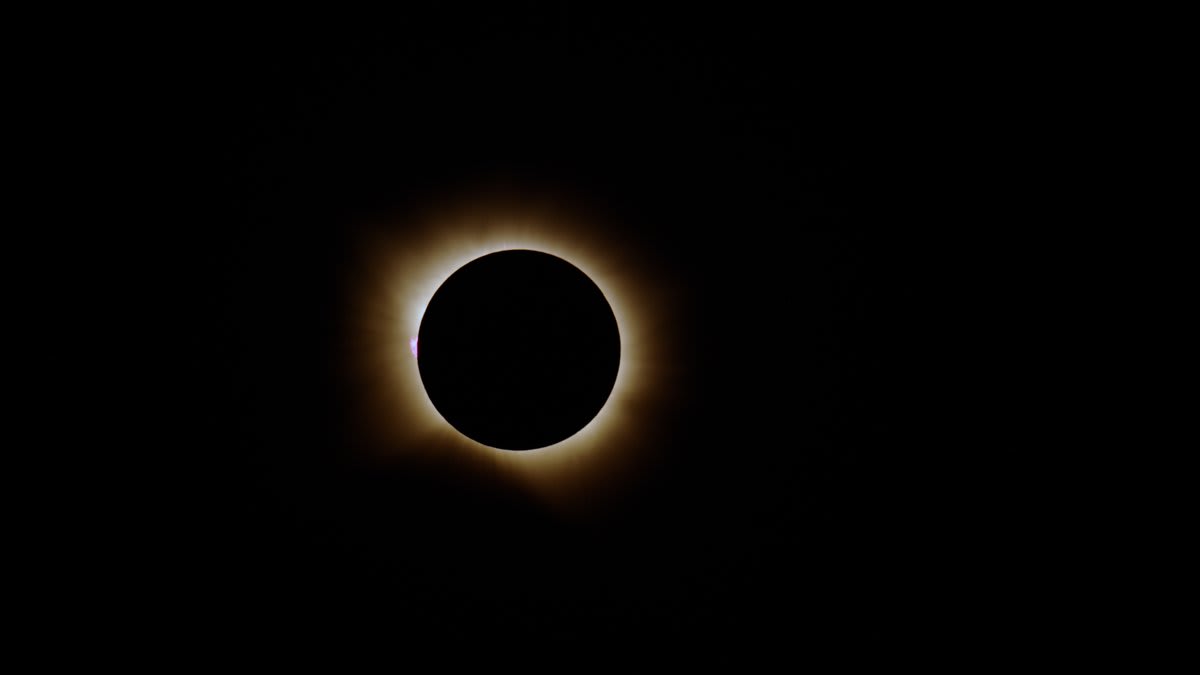
The footage shows the precise moment when a red sliver of sun vanishes behind the moon. Suddenly, a brilliant halo of white light bursts into view around the dark circle where the sun used to be.
That glowing ring is the corona, the sun's outermost atmosphere. We can't normally see it because the sun's bright surface overwhelms our view, but during a total eclipse, the moon blocks that glare perfectly.
The corona reaches temperatures so extreme that it energizes particles into plasma. Sometimes this plasma becomes powerful enough to break free from the sun's gravity entirely, shooting into space as solar wind.
McCormick's video captures something even more remarkable on the left edge of the eclipsed sun. A bright red structure called a solar prominence extends thousands of kilometers into space, visible proof of plasma dancing along the sun's magnetic field lines.
The eclipse's path took it from Russia all the way to Spain, passing over Greenland, Iceland, and Portugal. McCormick chose Spain as her viewing location, betting on clear skies and optimal positioning.
Why This Inspires
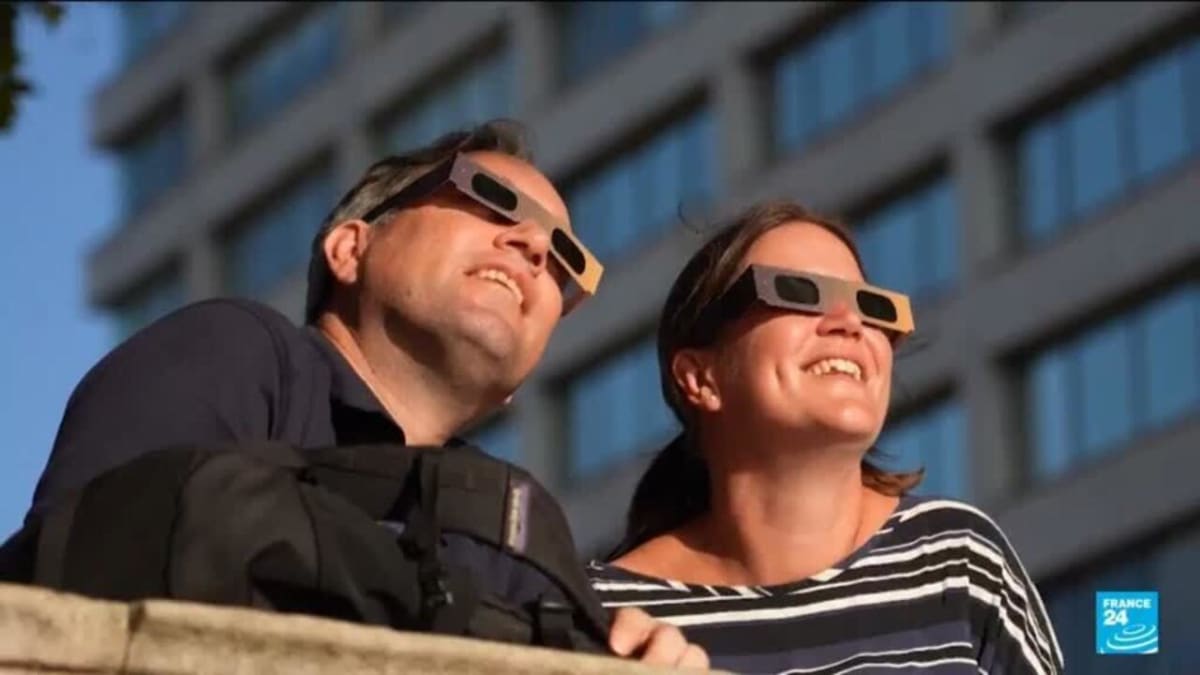
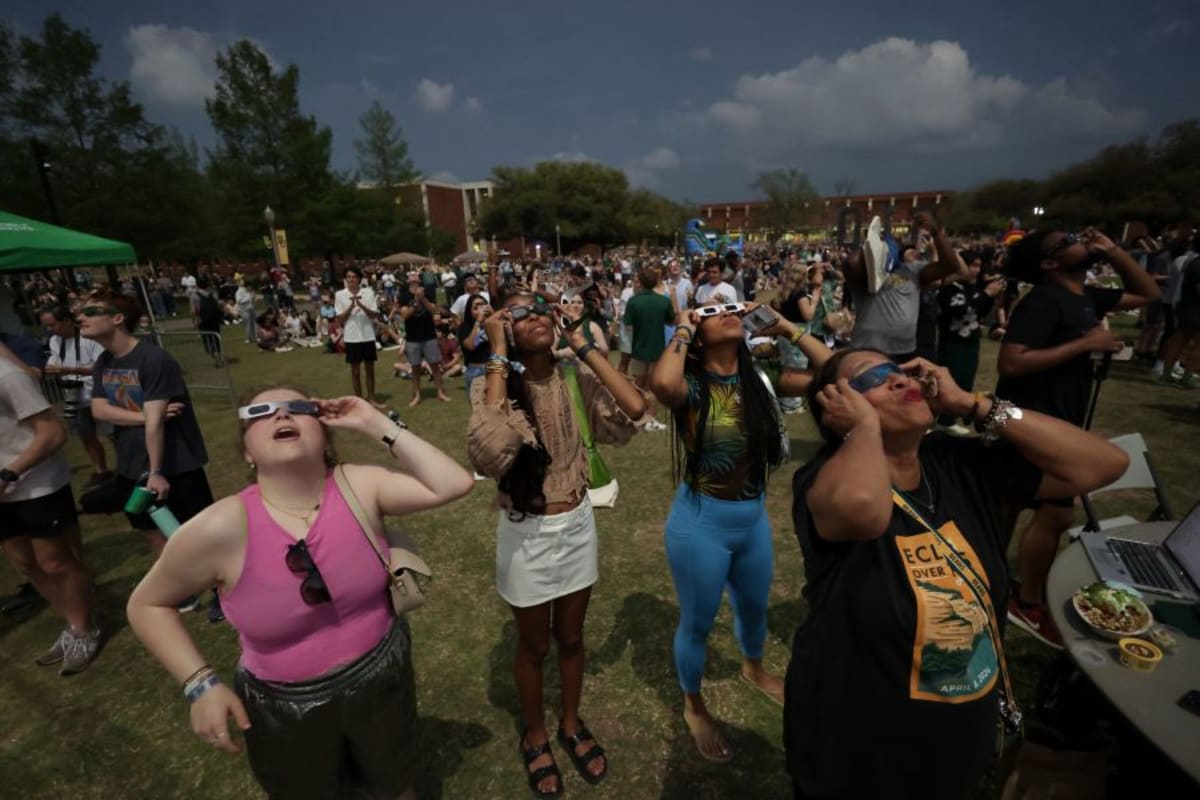
Total solar eclipses remind us that we share this planet with billions of other people, all looking up at the same sky in wonder. The fact that someone dedicated years to chasing these events and then shared the results freely means anyone with an internet connection can now witness this cosmic ballet.
McCormick's commitment also shows how passion projects can create something that brings joy to countless others. Her time-lapse doesn't just document a scientific phenomenon; it captures a moment of pure natural beauty that connects us to centuries of sky-watchers who came before.
The next total solar eclipse visible from North America won't occur until 2044, making recordings like McCormick's even more valuable for those who want to experience the magic without waiting decades.
Thanks to one photographer's dedication and willingness to share, millions can now understand why our ancestors built monuments aligned with eclipses and traveled great distances to witness them.
More Images




Based on reporting by Scientific American
This story was written by BrightWire based on verified news reports.
Spread the positivity!
Share this good news with someone who needs it