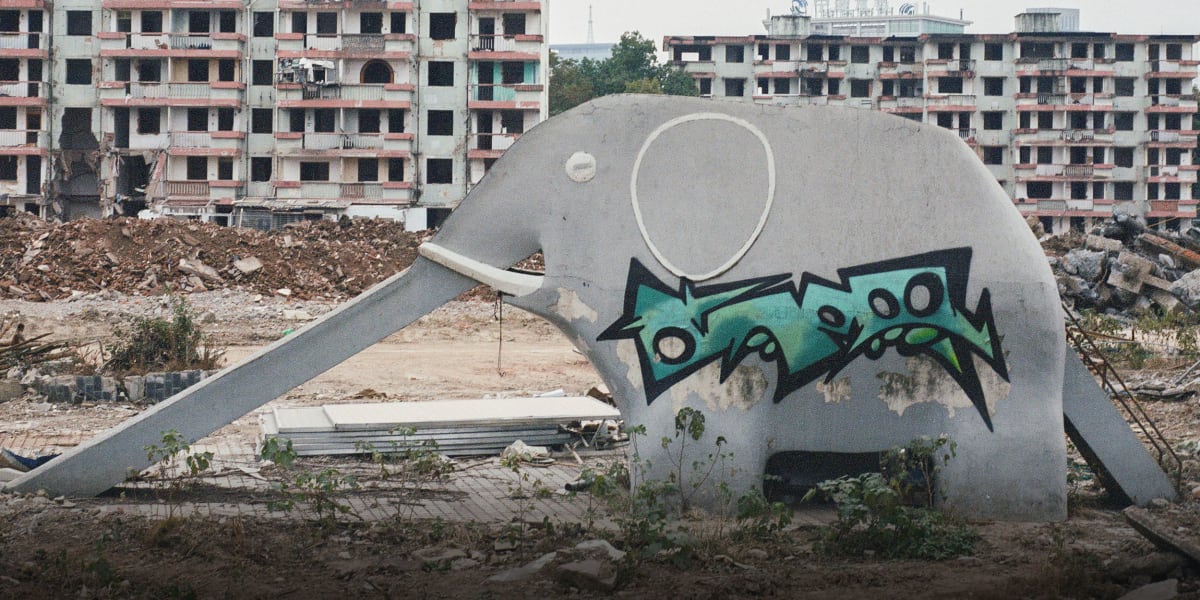
Photographer Documents China's 200 Vanishing Elephant Slides
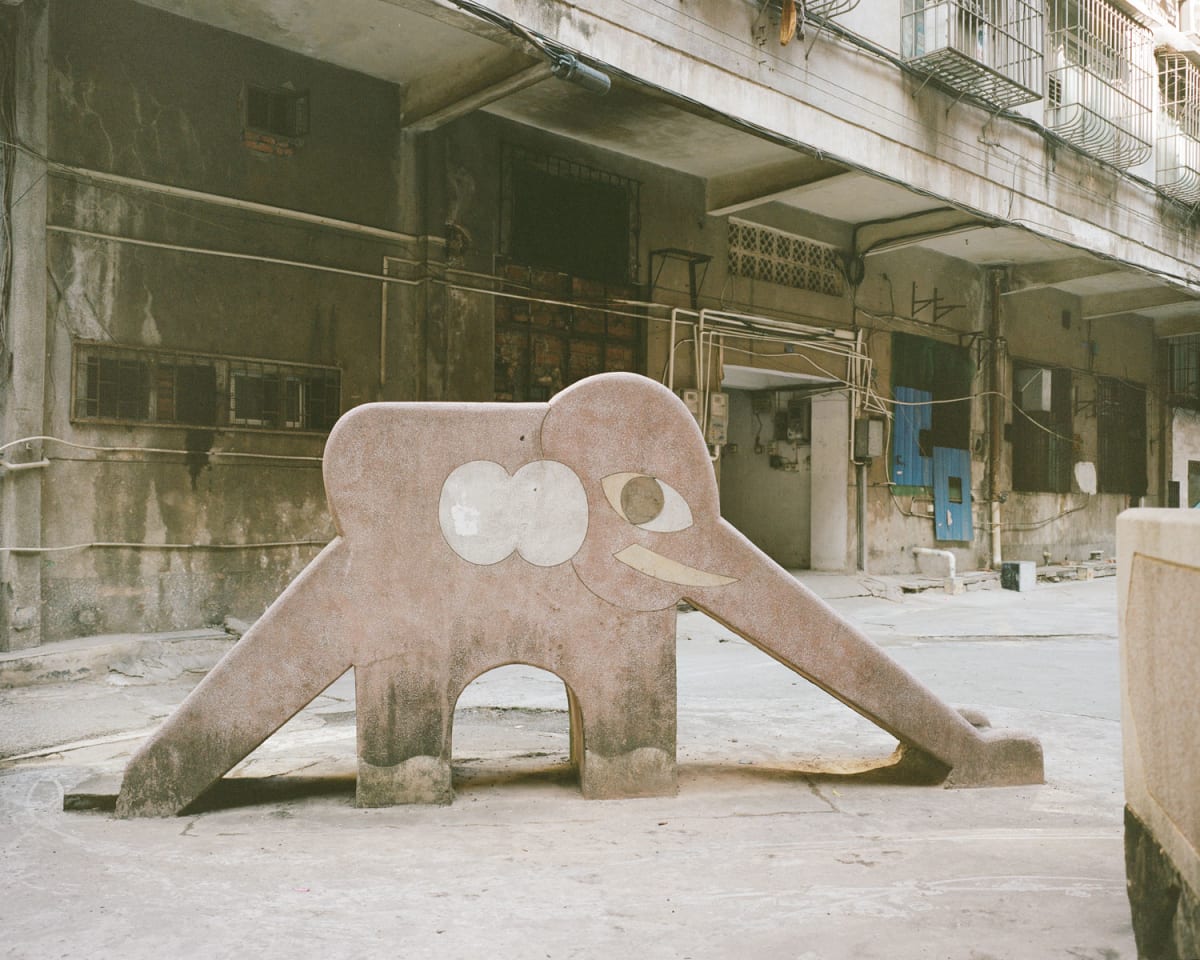
A Hangzhou photographer is racing to capture the last elephant slides scattered across China before they disappear. These beloved playground relics from the 1950s once filled parks and neighborhoods, but fewer than 200 remain today.
Sun Maoyicheng has visited over 60 cities in the past few months to photograph something most people barely notice anymore: elephant-shaped playground slides slowly vanishing from China's landscape. She's documented over 100 of them, and estimates fewer than 200 still exist nationwide.
These whimsical concrete elephants first appeared in the 1950s when China's urban parks expanded rapidly. Inspired by Soviet models of public space design, cities across the country installed animal-shaped playground structures that became fixtures of childhood for generations.
The slides weren't just playthings. They lived inside self-contained work-unit compounds built around railways, factories, and oil companies where families had housing, schools, and small parks all in one place. When that system faded, the elephant slides remained as quiet witnesses to a different era.
Sun's project started after she spotted an old elephant slide photo online that reminded her of the gray terrazzo elephant she played on as a kindergartener. By the time she enrolled at that primary school, it was gone. Learning that similar slides still existed elsewhere surprised her.
Finding them requires detective work. With no official records or maps, Sun pieces together fragments from social media posts, vague comments, and secondhand directions. She navigates narrow alleys, abandoned industrial sites, and forgotten corners of residential compounds, asking for help along the way.
She's learned that children make the best guides. Adults usually say the slides have been demolished, but kids point to places where elephants still stand, sometimes still in use.
The Bright Side
Sun has noticed fascinating regional differences that show how communities made these playgrounds their own. In Shaanxi province, elephants feature smooth curves with patterned "blankets" across their backs. In Henan, they're more three-dimensional with rounder heads. Yunnan's slides incorporate local Dai ethnic group design elements.
The basic blueprint stays the same everywhere: trunk as slide, back as platform, limbs as supports. But each region added its own creative touch.
Some slides are disappearing for practical reasons like parking needs and aging infrastructure. Others get repurposed as sign supports or relocated after community appeals. A few still host playing children, their surfaces showing layers of repairs and patches from decades of use.
Sun doesn't try to stop their disappearance. As a former newspaper photojournalist who found constant human interaction exhausting, she appreciates photographing these quiet subjects that still reflect the relationship between people and time. Sometimes she slides down them herself, imagining what it felt like for the children who played there decades ago.
Her careful documentation ensures these elephants won't be completely forgotten, even after the last one crumbles.
More Images
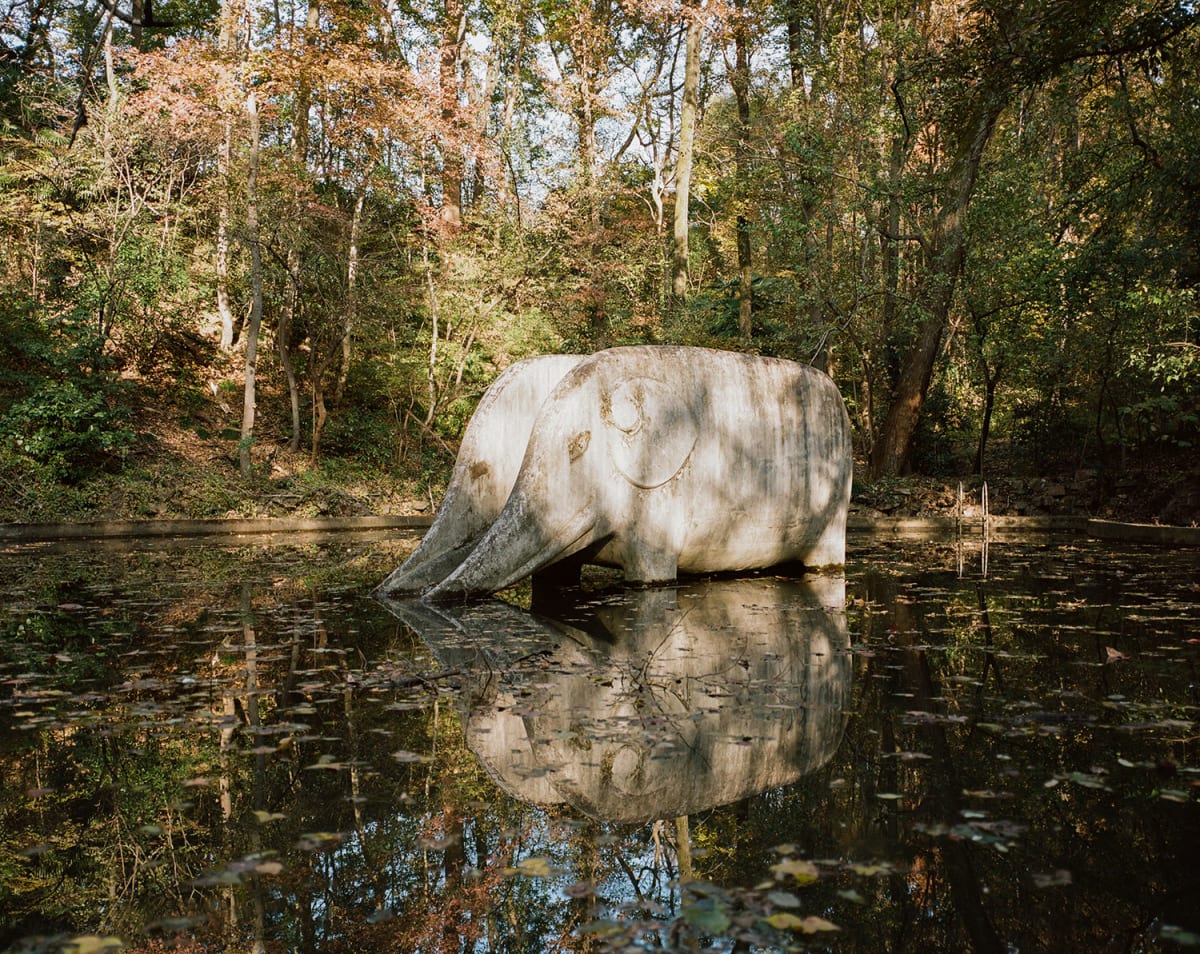
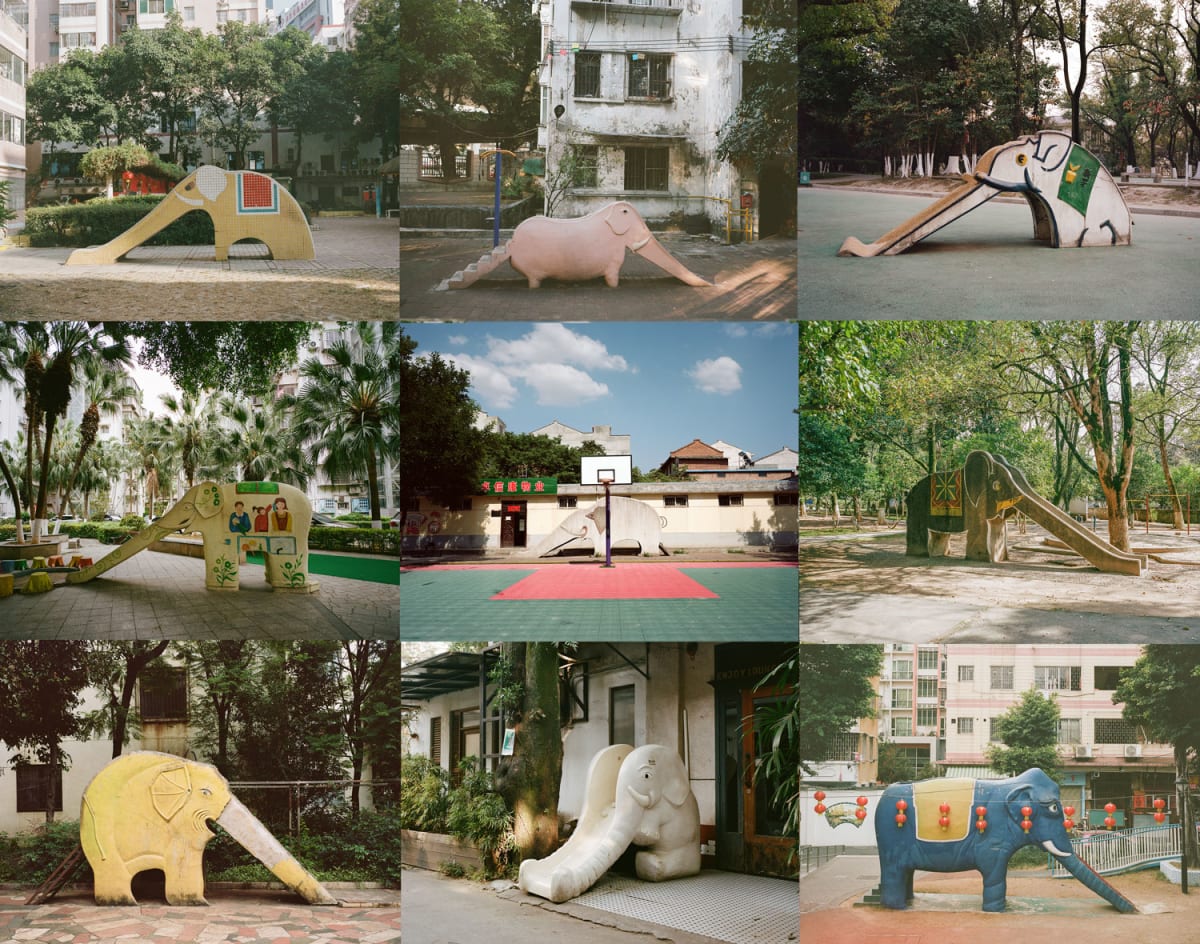
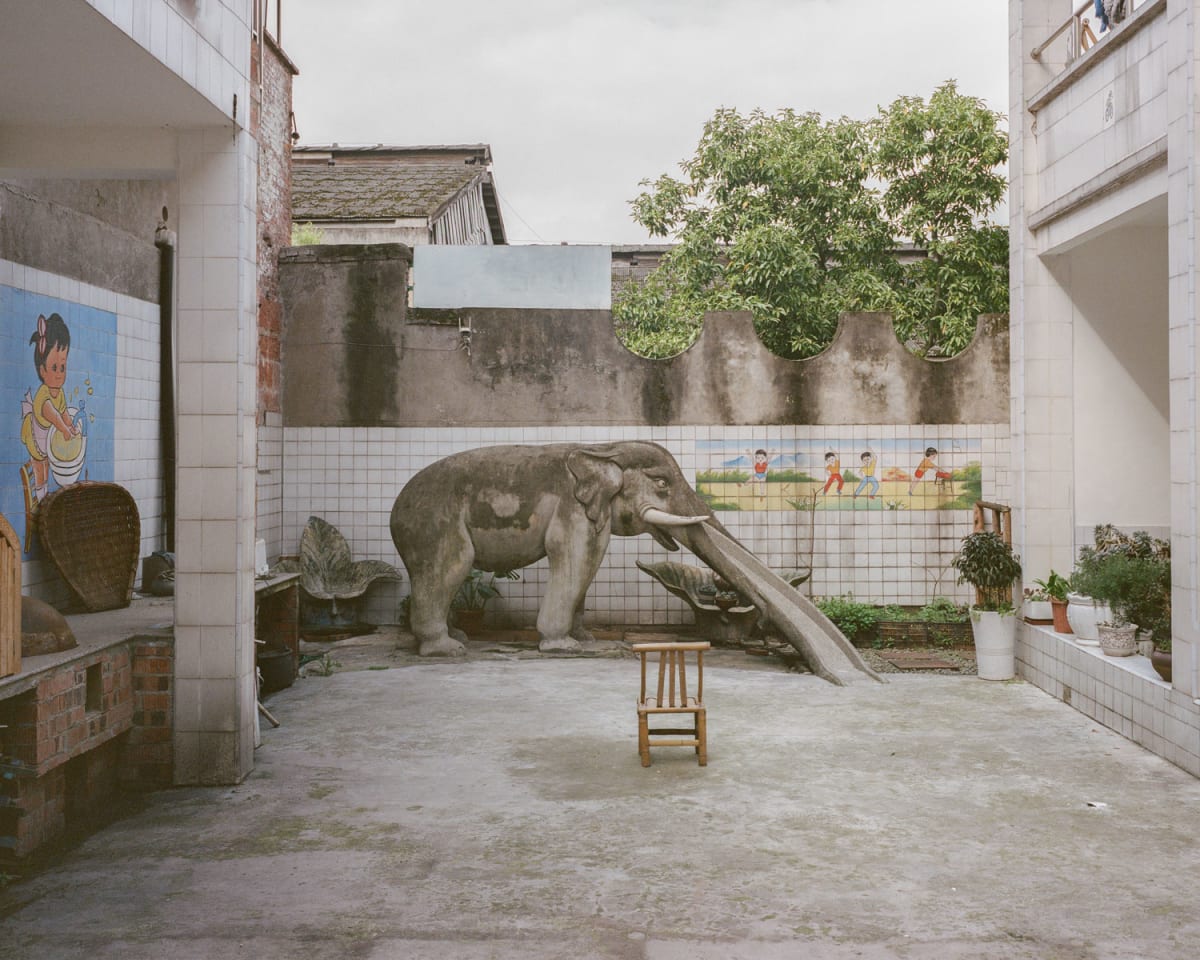
Based on reporting by Sixth Tone
This story was written by BrightWire based on verified news reports.
Spread the positivity!
Share this good news with someone who needs it