Photographer Finds 210-Million-Year-Old Dinosaur Tracks
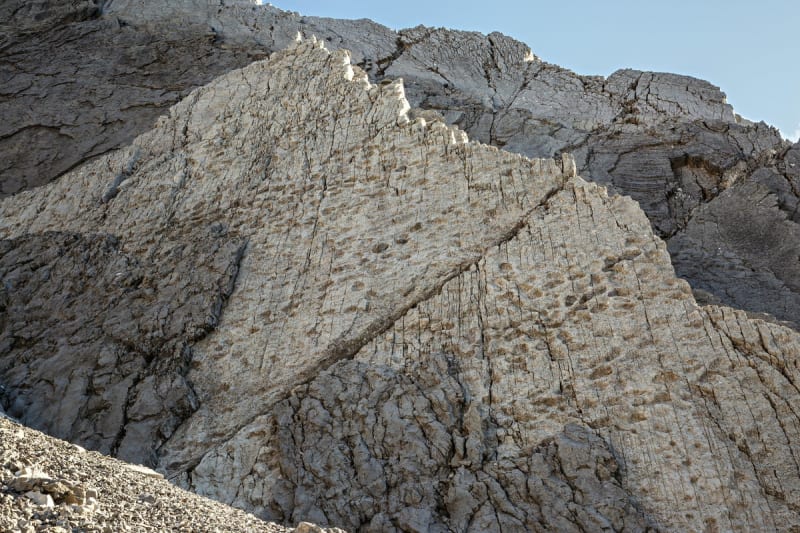
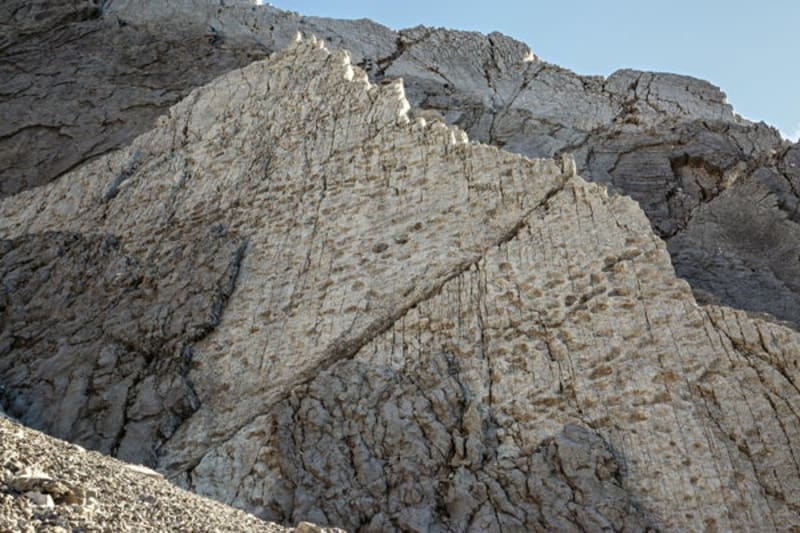
A mountain photographer stumbled upon thousands of perfectly preserved dinosaur footprints on vertical cliff faces in the Italian Alps. The discovery has become one of the world's richest deposits of Triassic-era tracks.
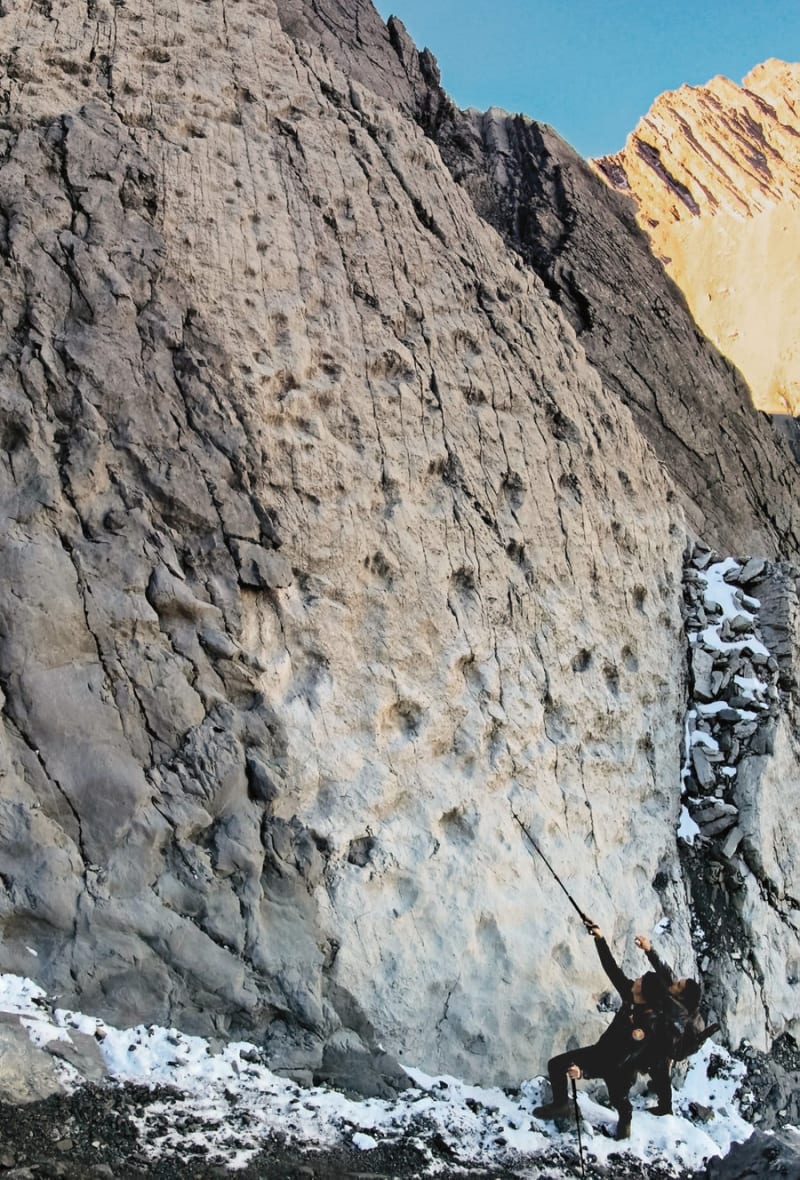
Imagine hiking through the Italian Alps and spotting thousands of ancient dinosaur footprints running straight up a mountain wall.
That's exactly what happened to photographer Elio Della Ferrera last September while exploring the Fraele Valley in Stelvio National Park. Some of the prints stretch up to 40 centimeters across, roughly the size of a large dinner plate.
The tracks date back about 210 million years to the Triassic period, long before the Alps even existed. Back then, herds of massive herbivorous dinosaurs called prosauropods walked across muddy tidal flats along the shores of the prehistoric Tethys Ocean.
Paleontologist Cristiano Dal Sasso of the Natural History Museum of Milan leads the research team studying the site. "It took me a few seconds to realize the photos were real," he says. The prints are so well preserved that researchers can see impressions of long heels, individual toes, and even claws.
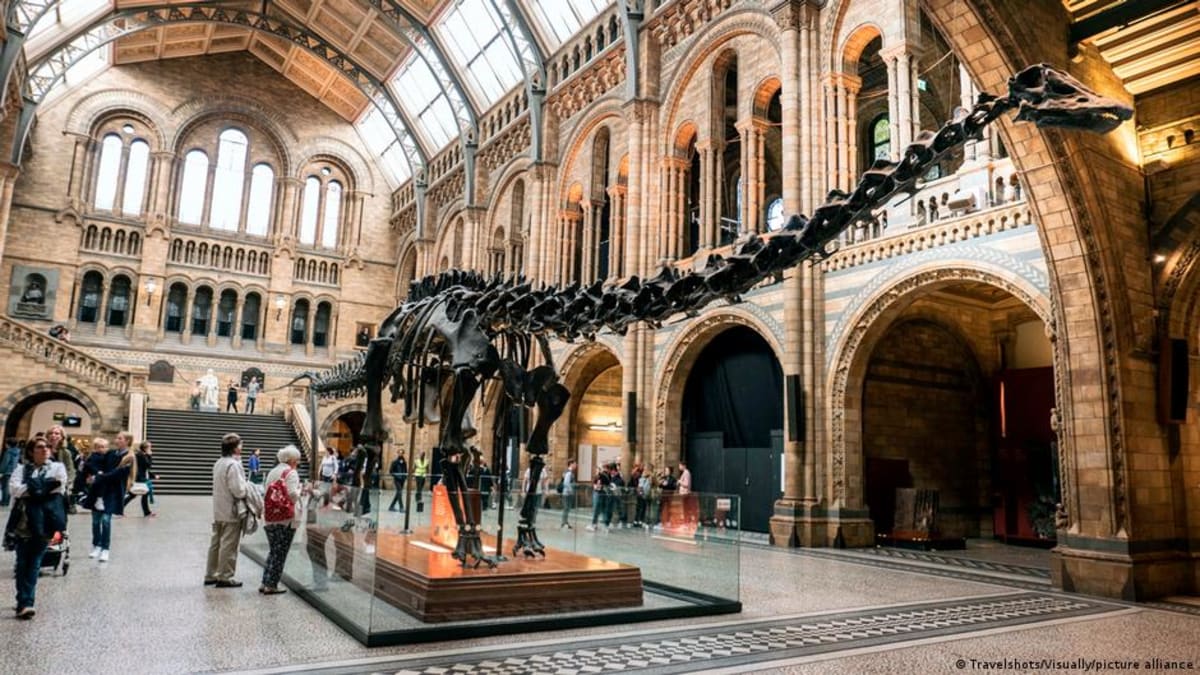
The research team believes the footprints were made by prosauropods, ancestors of famous Jurassic giants like Brontosaurus. These creatures left their mark in the mud millions of years ago, and geological forces eventually lifted those ancient shorelines thousands of feet into the sky to become the Alps we know today.
The Ripple Effect
This discovery opens a remarkable window into the evolution of dinosaurs during a crucial period in Earth's history. Dal Sasso and his team can now study how these creatures lived, moved, and interacted in this ancient ecosystem.
The site has already earned a nickname from researchers: "Triassic Park." But studying it won't be easy because of its remote location on sheer mountain cliffs. Teams will rely on drones and remote sensing technology to digitally preserve and analyze the thousands of footprints without damaging them.
The discovery reminds us that our planet still holds countless secrets waiting to be found. Sometimes all it takes is someone looking at the world with curious eyes and a camera ready to capture something extraordinary.
More Images


Based on reporting by Scientific American
This story was written by BrightWire based on verified news reports.
Spread the positivity!
Share this good news with someone who needs it