Physicists Watch Superfluid Turn Solid for First Time
Scientists just observed something that's puzzled physicists for 50 years: a superfluid that flows without friction actually freezing into a solid state. Using ultra-thin graphene layers, Columbia and UT Austin researchers captured the first clear evidence of this quantum transformation.
For half a century, physicists have wondered what happens when you cool a superfluid to its absolute limits. Now they finally have an answer, and it's rewriting what we know about quantum matter.
A team led by Cory Dean at Columbia University and Jia Li at the University of Texas at Austin just watched a superfluid come to a complete stop for the first time. Their discovery, published in Nature, reveals what appears to be a supersolid, a state of matter that somehow acts like both a liquid and a solid at the same time.
Superfluids are already strange enough. When you cool helium to nearly absolute zero, it becomes a liquid that flows forever without losing energy and can even climb out of its container. Scientists have spent decades trying to figure out if you could freeze a superfluid while keeping its quantum properties, creating a theoretical state called a supersolid.
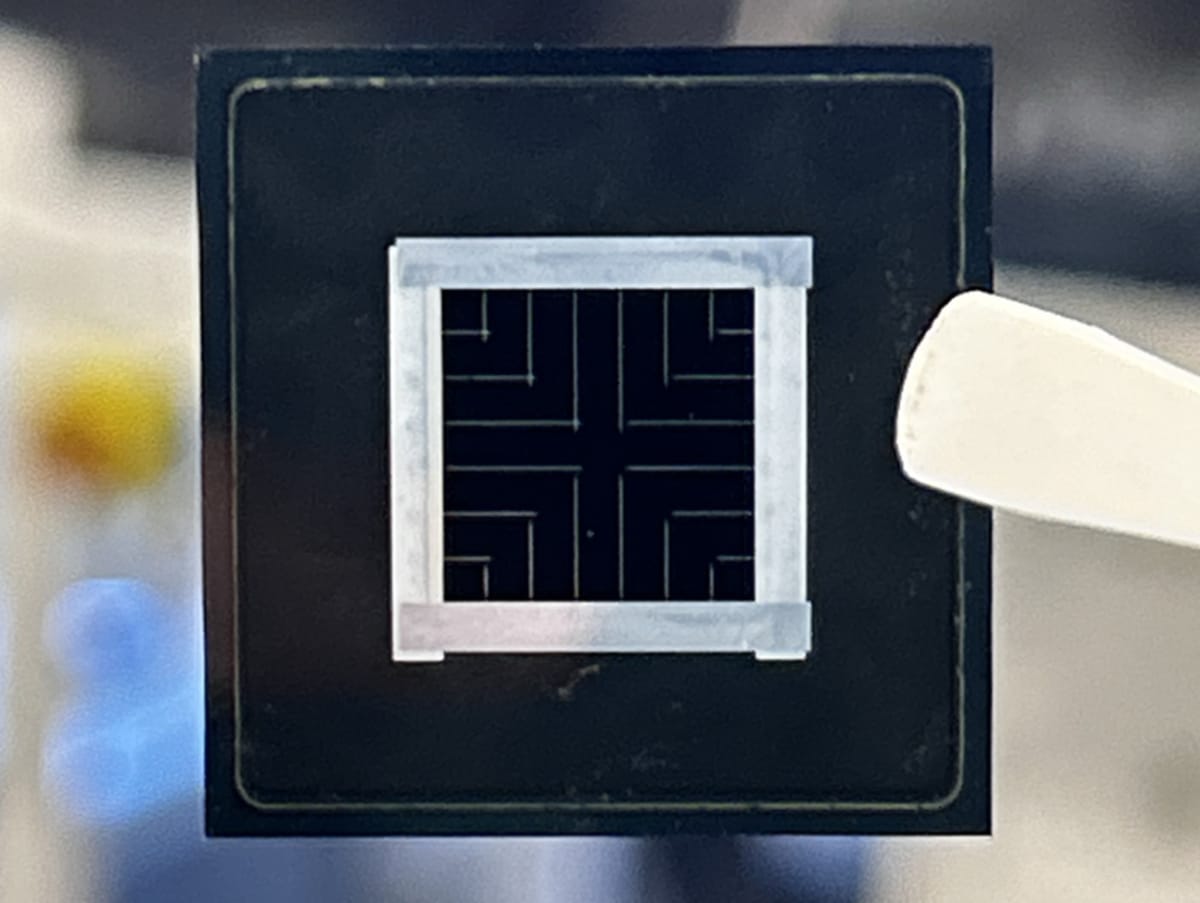
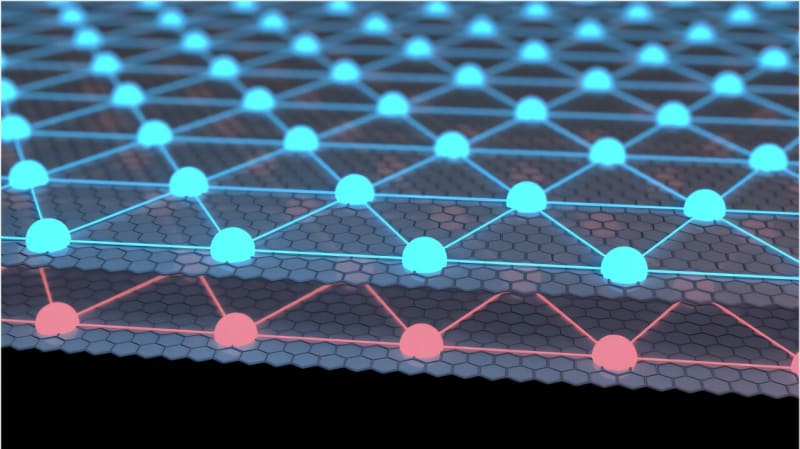
The breakthrough came from an unlikely place: graphene, the ultra-thin carbon material stronger than steel. Dean's team stacked two atom-thin sheets of graphene together and applied a strong magnetic field. This created tiny particles called excitons that formed a superfluid.
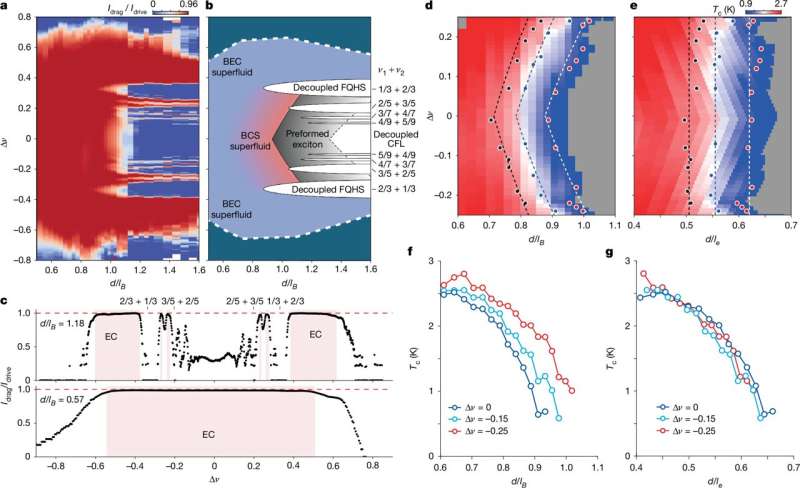
Then something unexpected happened. As the team adjusted the density and temperature of their excitons, the constantly flowing superfluid suddenly stopped moving and became an insulator. Even stranger, when they warmed it up slightly, it started flowing again.
"Superfluidity is generally regarded as the low-temperature ground state," Li explained. "Observing an insulating phase that melts into a superfluid is unprecedented."
Why This Inspires
This discovery opens doors that scientists thought might stay locked forever. Previous attempts to create supersolids required artificial setups with lasers acting like molds, similar to pouring Jello into an ice cube tray. Dean's team watched it happen naturally.
The implications reach beyond pure science. Graphene gives researchers control knobs they never had with helium. They can adjust temperature, electromagnetic fields, and layer spacing to fine-tune quantum properties. Because excitons are thousands of times lighter than helium atoms, they could potentially form these exotic quantum states at much higher temperatures.
Right now, the team needs extremely cold conditions and powerful magnets. But they're already exploring other layered materials that might work at warmer temperatures without magnets. That could eventually lead to practical applications in quantum computing and other technologies that harness these bizarre quantum properties.
The discovery also validates a whole new approach to studying quantum matter. Two-dimensional materials like graphene are proving to be natural laboratories where scientists can finally observe phenomena that seemed impossible to capture in traditional systems.
After 50 years of searching, physicists have solid evidence that supersolids exist, transforming one of condensed matter physics' greatest controversies into an exciting new frontier.
More Images

Based on reporting by Phys.org
This story was written by BrightWire based on verified news reports.
Spread the positivity!
Share this good news with someone who needs it