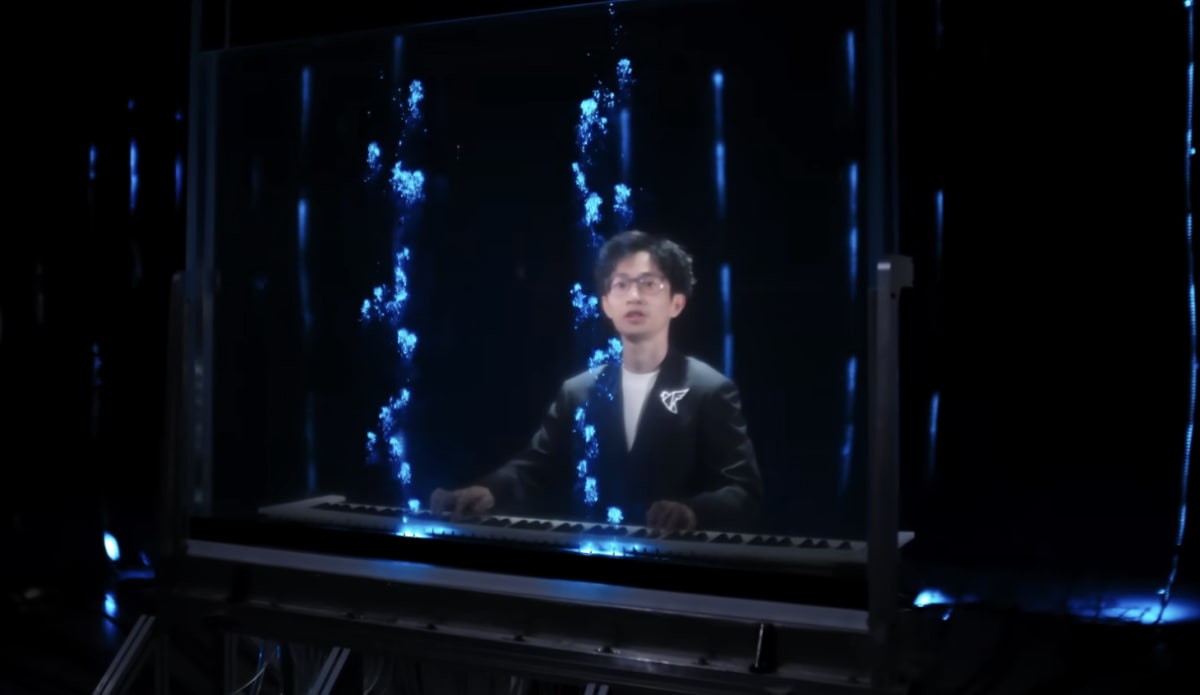
Pianist Creates Glowing Piano Using Bioluminescent Algae
After two years and four failed prototypes, a Chinese innovator turned to nature to make music visible. The result is a piano that glows blue with every note, powered entirely by living algae.
He Tongxue wanted to see music, not just hear it. The new piano student from Hangzhou, China felt something was missing from his practice sessions, so he set out to make sound visible in real life.
His studio, HTX, spent three years testing ideas. First came smoke machines paired with lasers, which turned the piano into what He described as "someone barbecuing inside." The room filled with haze that drifted everywhere, making it impossible to tell which light matched which note.
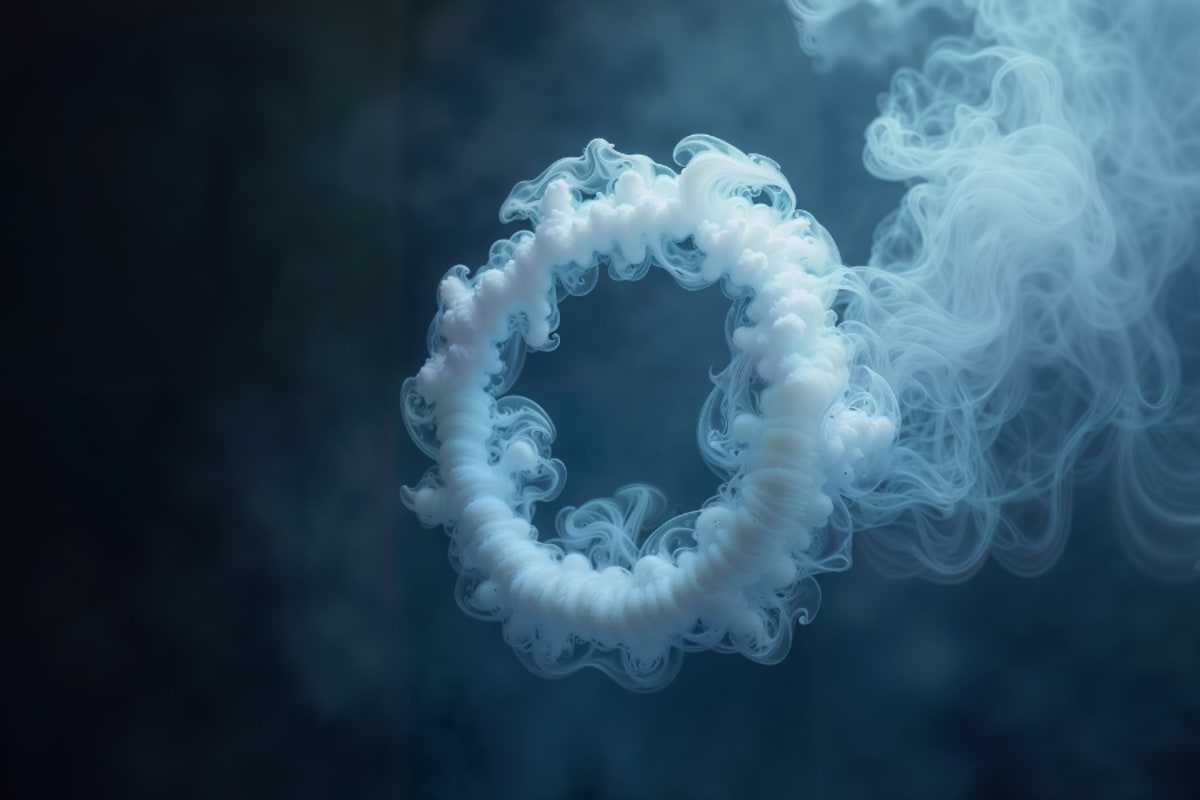
Next, they tried smoke rings. The vortex rings looked stunning at first, but extraneous smoke eventually clouded the view. The machines needed were also too large to fit 88 separate units for each piano key.
They shifted to liquids, shooting paint vortex rings into water tanks. Again, the effect started beautifully but quickly muddied. Oil paints broke apart into spheres instead of forming rings, though that failure sparked a new idea: illuminated droplets of colored glycerin rising through water.
The droplet concept worked better, but the beauty still felt limited. Glass tubes meant to control the droplets ruined the magical effect. After two years, the team had exhausted their ideas.
Then disaster struck. The glass tank shattered one night, destroying everything. He nearly gave up entirely.
That's when nature offered the answer. Bioluminescent algae glow blue when disturbed, a phenomenon visible in coastal waters around the world. The reaction happens when luciferin meets luciferase inside the tiny organisms.
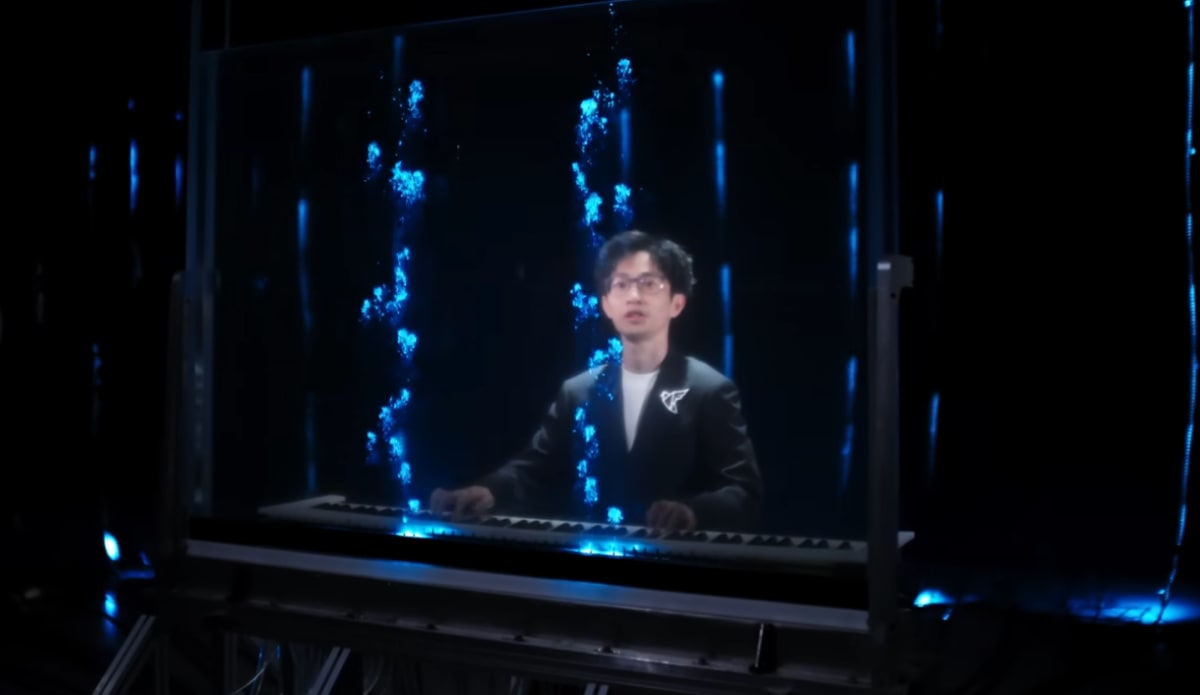
Instead of spraying anything into water, the team filled an entire tank with living algae. Piano keys trigger bubbles that disturb the algae, causing them to glow all the way to the surface. Each note creates a blue light show with zero digital effects or AI.
They named it the Blue Tears Piano. German pianist Oskar Roman Jezior has already performed on it, playing "Golden Hour" while waves of blue light pulse upward with each keystroke.
Why This Inspires
The Blue Tears Piano proves that the best solutions often come from observing what nature already does beautifully. He Tongxue didn't need to invent bioluminescence. He just needed to notice it and find a way to pair it with human creativity.
His team's refusal to quit after two years of failures shows what persistence looks like when you're chasing something that matters to you. Sometimes innovation isn't about creating something entirely new, but about letting what already exists shine in unexpected ways.
The piano now gives students and audiences alike a chance to watch music dance through water in real time, all thanks to tiny living organisms and one person's stubborn vision.
More Images


Based on reporting by Upworthy
This story was written by BrightWire based on verified news reports.
Spread the positivity!
Share this good news with someone who needs it