Piano + Glowing Algae = Music You Can See
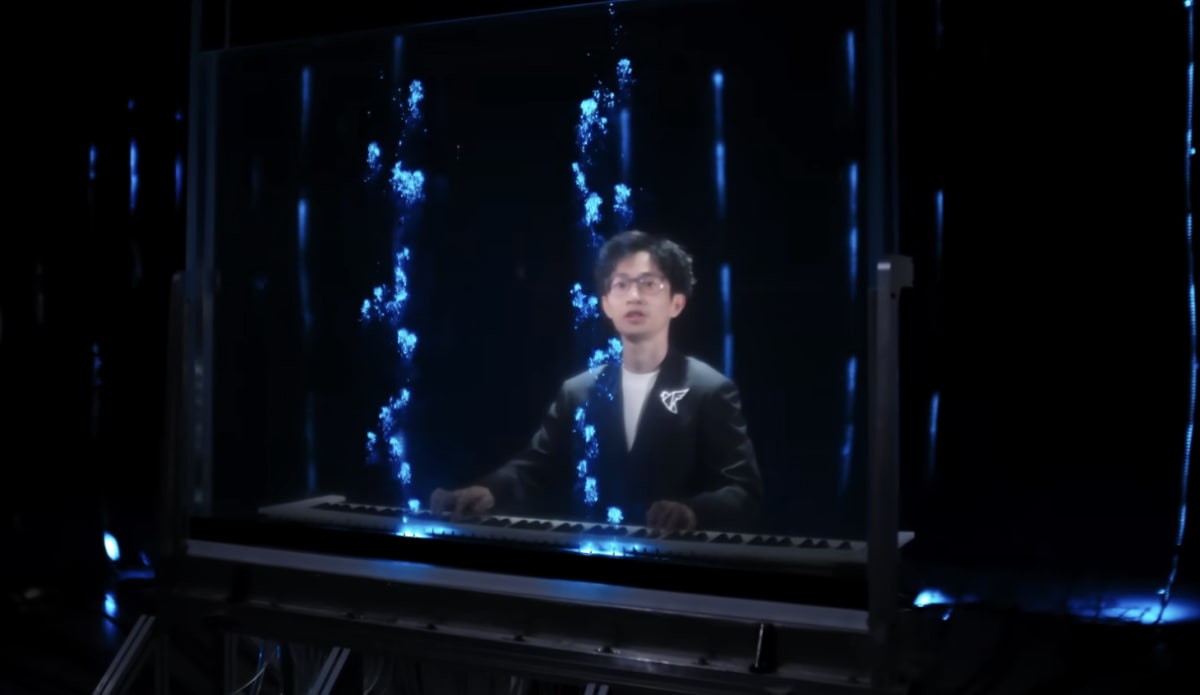
After three years and four failed prototypes, a Chinese innovator finally created a piano that makes music visible using bioluminescent algae. The result is pure magic.
Imagine watching music rise from a piano in glowing blue waves, lighting up with every note you play. That's exactly what He Tongxue from HTX Studio in Hangzhou, China made real after a three-year journey that nearly broke him.
He had just started learning piano and felt something was missing. He wanted to see music, not just hear it, but in real life without digital tricks or computer effects.
The first attempt used smoke machines triggered by piano keys and lasers to light them up. Cool at first, but minutes later it looked like a genie escaping and smelled like someone was barbecuing inside the piano.
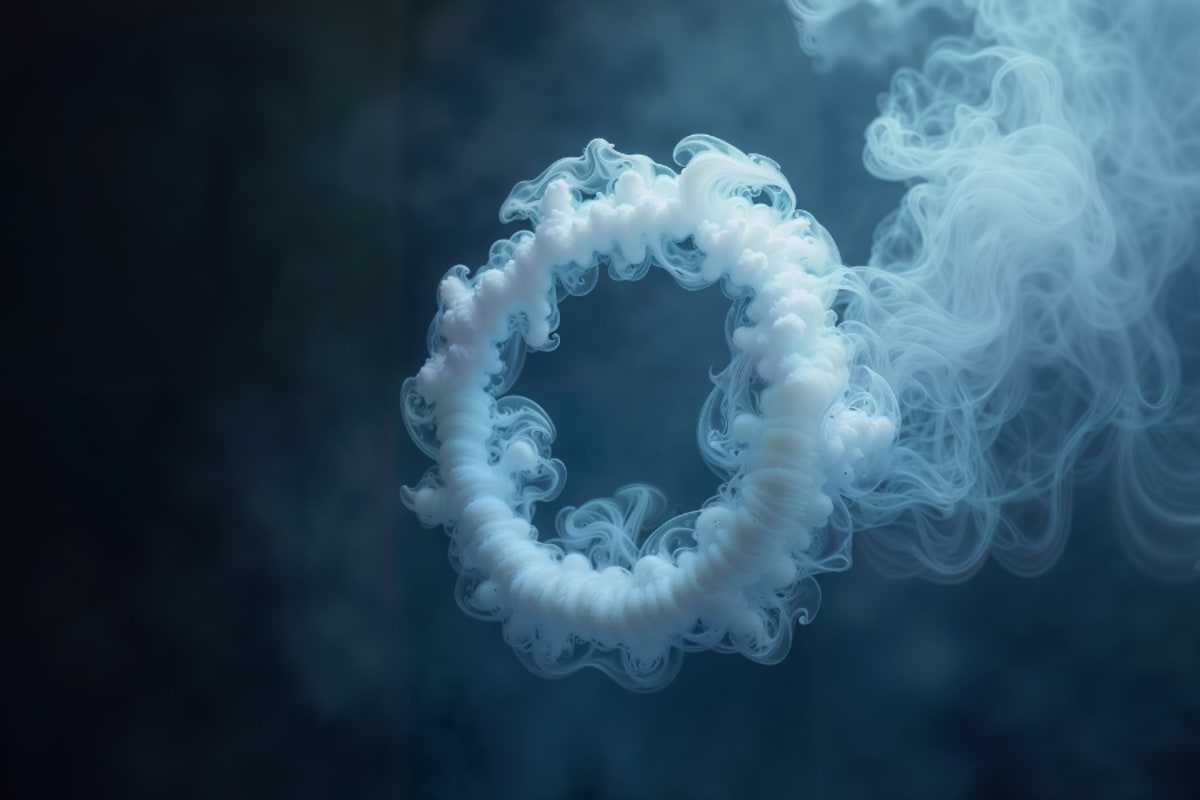
Next came smoke vortex rings, which gave the visible notes more structure. But extraneous smoke built up and clouded the view, plus the ring-making contraptions were too bulky for all 88 keys.
Since vortex rings are rotating fluid, the team switched to water and paint. The paint rings looked beautiful until they dissipated and clouded the water. Oil paints broke into tiny spheres instead of forming rings.
Those spheres sparked a new idea: colored glycerin droplets pushed into a water tank with each note, illuminated by lights. Solid concept, but the droplets drifted everywhere and glass tubes meant to contain them killed the magic.
Two years in, they had tried everything. The team felt defeated, and He seriously considered abandoning the project despite the massive investment of time and energy.
Then the glass tank shattered one night under water pressure, destroying the entire system. If the universe was sending a sign to quit, this felt like it.
But inspiration arrived from an unexpected source: nature. What if they used bioluminescent algae that glow on their own when disturbed?
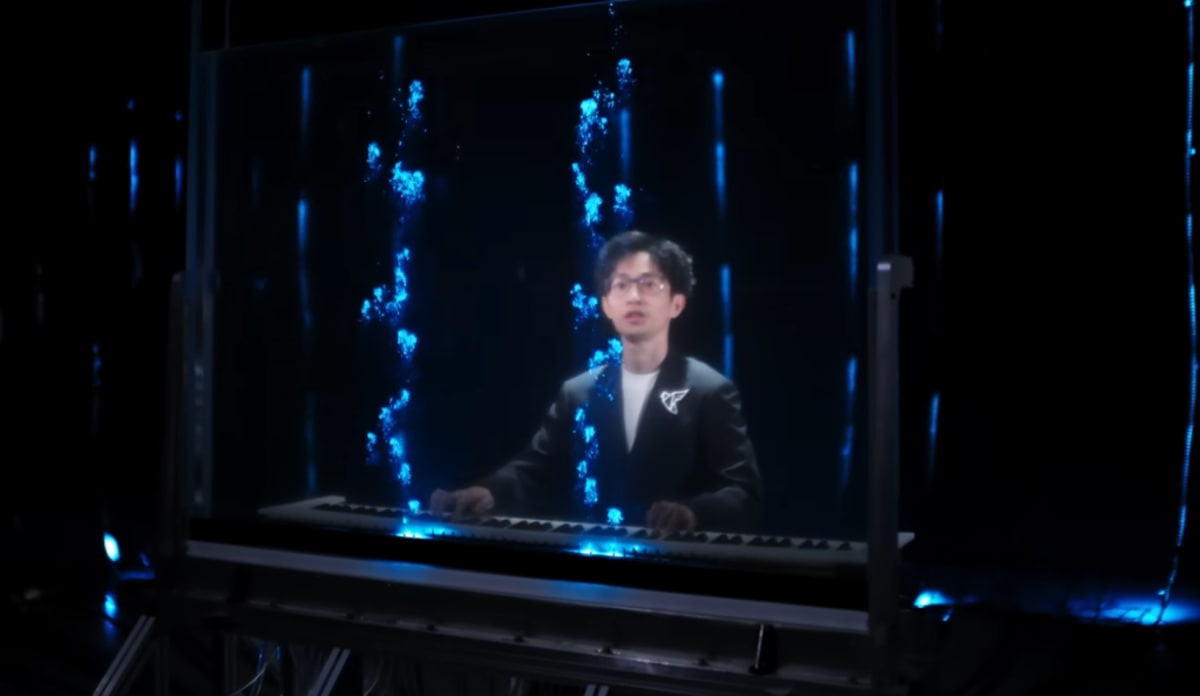
These tiny organisms create that stunning blue glow in coastal waters worldwide through a reaction between luciferin and luciferase. Instead of spraying algae into water, they filled the entire tank and disturbed them with bubbles so they glowed all the way to the surface.
It worked. No AI, no digital effects, just real-life visible music with help from nature. They named it the Blue Tears Piano.
Why This Inspires
He Tongxue's journey reminds us that breakthrough innovation rarely follows a straight path. Every failure taught his team something new, pushing them from smoke to water to paint and finally to the elegant simplicity of nature's own light show.
The project also shows how patience and persistence can transform a beginner's simple wish into something that brings wonder to everyone who sees it. He didn't just want to see his own music; he created an experience that helps others witness the invisible beauty of sound.
Watch German pianist Oskar Roman Jezior play "Golden Hour" on the Blue Tears Piano and you'll see why three years of setbacks were worth every moment.
More Images


Based on reporting by Upworthy
This story was written by BrightWire based on verified news reports.
Spread the positivity!
Share this good news with someone who needs it