Pine Bark Removes 99% of Antibiotics From Wastewater
Finnish scientists turned forestry waste into a powerful filter that pulls nearly all antibiotics from water before they reach rivers and drinking supplies. The discovery could help stop the dangerous spread of antibiotic-resistant bacteria.
Scientists just found a way to stop antibiotics from poisoning our water, and the solution comes from tree bark that would otherwise be thrown away.
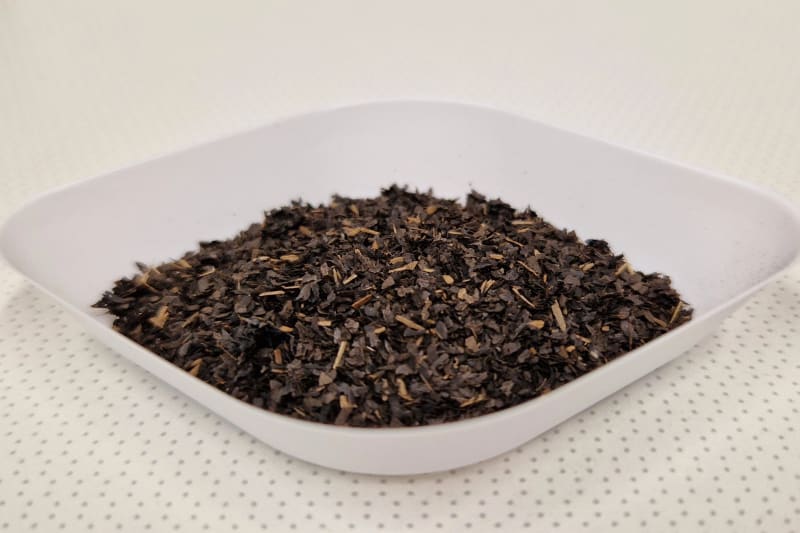
Researchers at Finland's University of Oulu discovered that pine bark, a common forestry waste product, can capture and remove nearly 100% of antibiotics from wastewater before they reach our rivers and taps. In a four-month pilot project, the modified bark removed 99.7% of the antibiotic trimethoprim and 93.7% of the antidepressant venlafaxine from municipal wastewater.
The problem they're solving is urgent. Every day, antibiotics enter sewage systems through urine from patients taking medication or when people flush unused pills down the toilet. Traditional sewage treatment plants can't catch them all, so these drugs flow into rivers and eventually into the water we drink and the fish we eat.
That's not just gross. It's dangerous. When antibiotics saturate the environment, bacteria evolve to resist them, creating superbugs that standard medicines can't kill.
Lead researcher Mahdiyeh Mohammadzadeh and her team knew pine bark contained natural compounds called polyphenols that bind with and break down pharmaceuticals. They enhanced this natural ability by adding magnetite, a simple iron oxide that costs very little and allows the bark to be easily separated from water and reused multiple times.
The pine bark solution worked on more than just antibiotics. It also filtered out painkillers like ketoprofen and blood pressure medicines like losartan with impressive efficiency.
The environmental advantages go beyond just cleaning water. Unlike activated charcoal, the current industry standard for filtering pharmaceuticals, pine bark doesn't require heating wood at high temperatures. The bark comes from trees already harvested for lumber, meaning it transforms waste into a water-saving resource without additional environmental cost.
The Ripple Effect
This breakthrough could transform how wastewater treatment plants worldwide protect public health. The technology is cheap enough for facilities in developing countries and small towns that can't afford expensive filtration systems. Every treatment plant that adopts pine bark filtration means fewer antibiotics in local waterways, slower development of resistant bacteria, and safer drinking water for surrounding communities.
The forestry industry gains too. Bark that once piled up as waste now has commercial value, creating new revenue streams for lumber operations while solving a critical environmental problem.
Mohammadzadeh hopes wastewater treatment facilities and forestry companies will soon partner to bring this solution to scale. The materials are already available, the process is straightforward, and the results speak for themselves.
Sometimes the most powerful innovations don't require inventing something new but recognizing the hidden potential in what we've been throwing away.
More Images



Based on reporting by New Atlas
This story was written by BrightWire based on verified news reports.
Spread the positivity!
Share this good news with someone who needs it