Pine Bark Removes 99% of Antibiotics From Water
Finnish researchers turned a forestry waste product into a powerful water filter that removes pharmaceutical pollution from wastewater. The simple, affordable solution could help prevent antibiotic resistance from spreading in nature.
A pile of pine bark might not look like cutting-edge technology, but Finnish scientists just proved it can clean our water better than expensive industrial methods.
Researchers at the University of Oulu discovered that pine bark modified with iron oxide removes up to 99.7% of antibiotics from treated wastewater. The method also cleared out antidepressants, blood pressure medications, and painkillers before they could reach rivers and lakes.
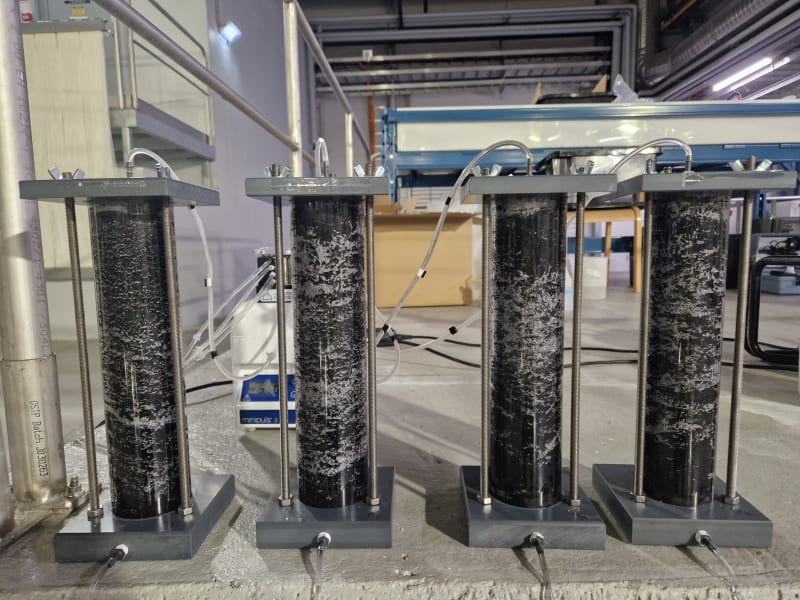
Dr. Mahdiyeh Mohammadzadeh tested the bark filters at Oulu's Taskila wastewater treatment plant for four months. Her team achieved removal rates of 93.7% for the antidepressant venlafaxine and nearly eliminated the antibiotic trimethoprim from the water.
The timing couldn't be better. Current wastewater plants don't remove all pharmaceutical residues, and those leftover drugs accelerate antibiotic resistance when they enter the environment. The EU's updated Urban Wastewater Directive now requires better removal of these micropollutants.
Traditional solutions like activated carbon filters and ozonation work well but cost significantly more. Pine bark offers the same cleaning power at a fraction of the price because it doesn't require high temperatures or complex processing.
The secret lies in pine bark's natural polyphenolic compounds. When scientists add magnetite (iron oxide) to the bark, it becomes easy to separate from water after treatment. Think of it like an industrial coffee filter that catches pharmaceutical molecules instead of grounds.
The Ripple Effect
This breakthrough does more than clean water. It transforms a forestry industry waste product into a valuable resource, supporting the circular economy in boreal forest regions where pine bark is abundant.
Wastewater treatment plants across Finland and other forested regions could partner with local timber operations to create affordable filtration systems. The simple production process means facilities can implement the technology without massive infrastructure investments.
The research team is already exploring other natural materials. They're studying spruce bark tannins to remove turbidity from industrial wastewater, proving that nature's leftovers might be our best tools for environmental protection.
Professor Tiina Leiviskä, who supervised the research, sees potential beyond pharmaceuticals. The modified bark could tackle other water contaminants using the same cost-effective approach.
Mohammadzadeh reminds us that technology alone won't solve everything. She encourages people to return unused medications to pharmacies instead of flushing them, giving everyone a role in protecting water quality.
The doctoral defense takes place January 23, 2026, making this solution available for real-world application right now.
More Images


Based on reporting by Phys.org
This story was written by BrightWire based on verified news reports.
Spread the positivity!
Share this good news with someone who needs it