Pittsburgh Buildings Slash Carbon Emissions 6 Years Early
A coalition of 540 Pittsburgh buildings has cut carbon emissions by 56% while saving nearly $50 million, beating their 2030 goal with years to spare. The city's historic buildings are proving that old structures can lead the way in sustainability.
Pittsburgh just proved that old buildings can teach new tricks when it comes to fighting climate change.
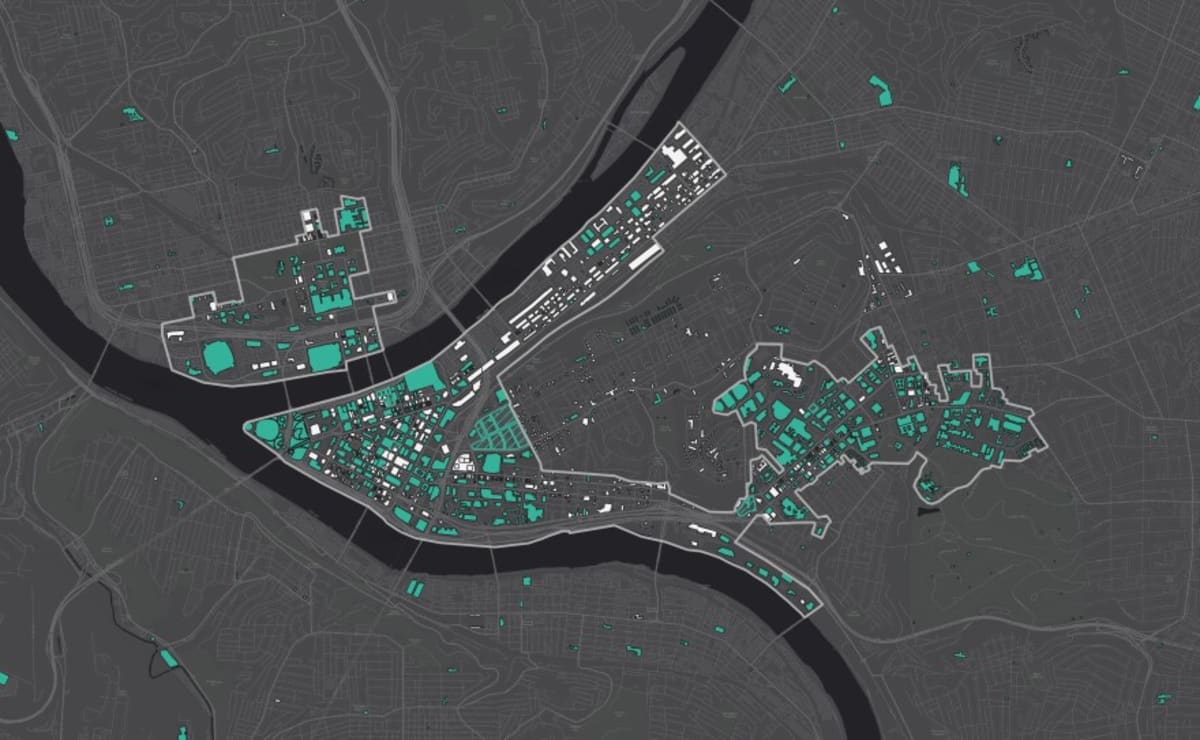
A coalition of 540 buildings across Pittsburgh has slashed carbon emissions by 56.1%, surpassing their 50% reduction goal six years ahead of schedule. The 2030 District initiative, which started in 2012, has also saved property owners $42.8 million in energy costs and another $7.1 million through water conservation.
The partnership includes everything from century-old fire stations to modern hospitals, representing more than 86 million square feet of space. Nearly all of Pittsburgh's universities and medical centers have joined the effort, sharing data and strategies to cut emissions while keeping costs down.
"Our team works alongside commercial property owners, from businesses and corporate office towers to cultural institutions and nonprofits," explained Green Building Alliance President Jenna Cramer. The organization helps building managers track energy use and prioritize smart improvements.
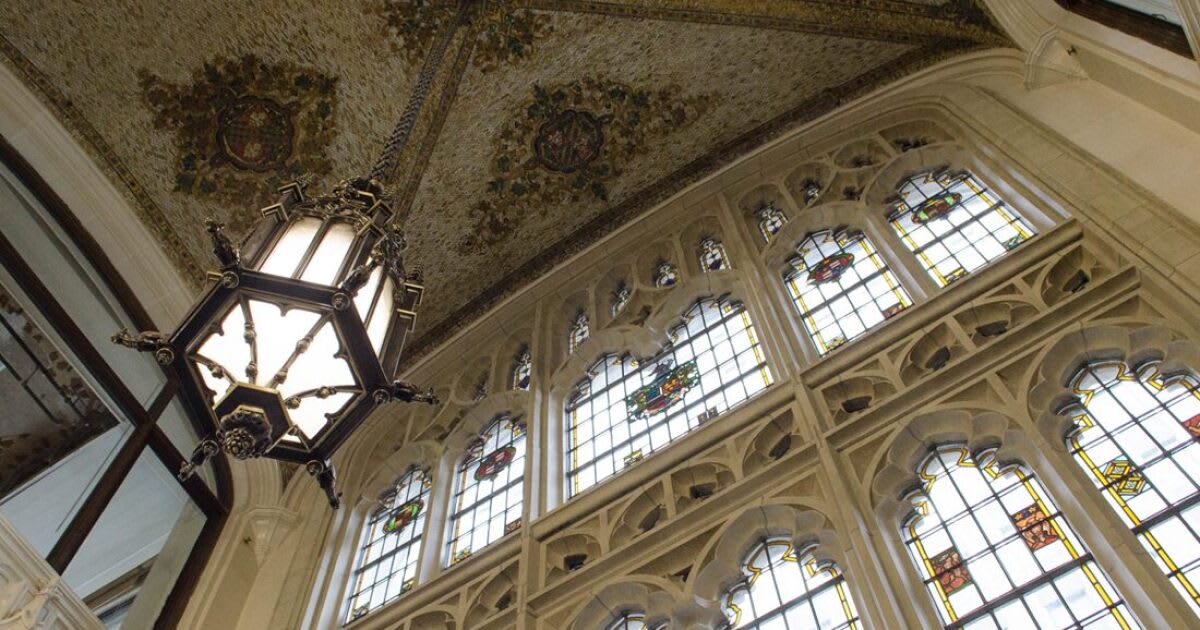
The historic Union Trust Building stands out as a star performer, achieving almost 60% carbon reduction. Chris Cieslak, COO of the Green Building Alliance, says older buildings are surprisingly sustainable when property owners invest in smart upgrades rather than demolition.
The progress reflects two major changes. Buildings are switching to renewable energy and making efficiency upgrades like LED lighting and better windows. Meanwhile, Pennsylvania's electrical grid is shifting away from coal toward cleaner energy sources.
The Ripple Effect
Pittsburgh's success is making waves beyond Pennsylvania. The United Nations recognized the region as an International Center of Excellence on High Performance Buildings in 2019.
The city is transforming public facilities too. Fire Station 8, a 100-year-old building, got a complete renovation focused on efficiency and healthy materials. The new Pittsburgh International Airport terminal was designed from the ground up with sustainability in mind.
Mayor Corey O'Connor says the commitment means "more and more City facilities will operate with net zero targets, energy efficiency, clean air, and people-centered design that will support our workers and communities."
Simple changes are making big differences. Property owners across the city are installing LED lights, adding occupancy sensors, replacing old windows, and collecting rainwater. These straightforward upgrades save money while protecting the environment.
When Cieslak looks at Pittsburgh's place on the global sustainability map, she sees proof that industrial cities can reinvent themselves as green leaders.
More Images

Based on reporting by Google News - Emissions Reduction
This story was written by BrightWire based on verified news reports.
Spread the positivity!
Share this good news with someone who needs it